How to Winterize a House: 10 Steps Before Cold Weather
Quick answer
Winterize a house by clearing gutters, sealing controllable drafts, disconnecting outdoor hoses, protecting exposed pipes, checking heating equipment and testing smoke and carbon monoxide alarms. Finish with a small outage kit and a plan for shutting off water safely if a pipe freezes or bursts.
Editorial note: This is general information, not professional advice. Check the linked sources and current local guidance before acting.
Winterizing a house is not one universal recipe. A mild coastal home, a property with a crawlspace and a house exposed to repeated freezing temperatures have different weak points. Start with the parts of your home that can let water in, let heat out, lose power or become unsafe when the weather turns.
The Mississippi State University Extension Service winterization checklist recommends practical preparation such as clearing gutters, sealing drafts, protecting exposed water pipes and removing hoses from outdoor faucets. Use the ten steps below as a starting point, then follow your equipment manuals, local building rules and local weather alerts.
1. Walk around the house and make a short risk list
Choose a dry day before the first hard freeze. Look at the roofline, gutters, downspouts, windows, doors, outdoor faucets, exposed pipes, heating equipment and fuel-burning appliance vents. Note anything loose, cracked, damp, unusually cold or difficult to reach.
Also think about the people and animals in the home. Ready.gov advises households to prepare for winter storms that can interrupt heat, power and communication, and to account for medication, pets and individual needs. Write down the main water shutoff, electrical panel, heating controls and emergency contacts while they are easy to reach.
Do not climb onto a roof or use a ladder in wind, ice or unsafe conditions. Put a professional inspection on the list when the problem involves structural damage, fuel, electrical work or a system you cannot safely identify.
2. Clear gutters and check where water flows
Remove leaves, needles and other debris from gutters and make sure downspouts carry water away from the walls and foundation. Mississippi State Extension notes that blocked gutters can contribute to icicles and ice dams in freezing weather, and that ice dams can cause roof leaks.
Check for sagging sections, loose brackets and a downspout that empties against the house. Repair or arrange help before the next storm. If your roof is steep, high or already icy, stay on the ground and hire someone equipped for the work. A clean gutter is useful only if the water can leave the roof and drain away from the building. Our gutter-cleaning guide explains a ground-first clearing and downspout check when the work is safe for your property’s height.
3. Find and seal obvious drafts
Close windows and doors, then inspect the edges on a windy or cool day. Look for daylight, moving curtains, loose weatherstripping and gaps where pipes or vents pass through an exterior wall. Apply weatherstripping around movable doors and windows, and use a compatible caulk for small stationary gaps.
The aim is controlled air sealing, not covering every opening. Never block a required combustion-air opening, flue, exhaust or appliance vent. If you are unsure whether an opening is part of a ventilation system, leave it alone and ask a qualified professional. The EPA winter-weather guidance specifically warns that outside vents need to stay clear so pollutants, including carbon monoxide, do not build up indoors. For a broader, year-round efficiency audit after the urgent draft checks, use our home energy bill guide.
4. Protect outdoor faucets and exposed water lines
Disconnect garden hoses from outdoor faucets, drain the hoses and store them where they will not freeze. Add an insulated faucet cover if it suits the faucet and local conditions. Look for water lines running through an unheated attic, crawlspace, basement, garage or along an exterior wall.
Mississippi State Extension recommends insulating water pipes in uninsulated areas and protecting outdoor faucets. Use pipe insulation that fits the pipe and does not interfere with valves, wiring or required clearances. If a line is damaged, leaking or inaccessible, arrange a repair rather than wrapping the problem and hoping it survives the winter.
Know how to shut off the main water supply. In a freeze, a fast shutoff can limit damage while you call for help.
5. Check heating equipment before you need it
Turn on the heating system early enough to notice unusual smells, noises, weak airflow or a thermostat that does not respond. Replace or clean filters only as the equipment manual permits, and keep supply and return grilles clear of furniture or storage.
Have fuel-burning equipment serviced according to its manual and local requirements. The EPA recommends annual inspection and service by a certified technician for wood-burning appliances, chimneys and vents. Do not treat a winter checklist as permission to repair gas, oil, flue or electrical faults yourself. If a carbon monoxide alarm sounds, leave for fresh air and call emergency services from a safe location.
6. Test smoke and carbon monoxide alarms
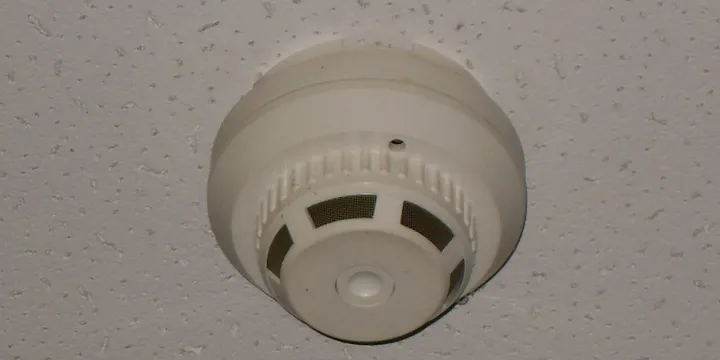
Press the test button on every smoke and carbon monoxide alarm. Replace batteries according to the manufacturer’s instructions, and keep battery backups available for a power outage. EPA guidance says to test alarms monthly, replace batteries at least yearly unless the unit has sealed 10-year batteries, and replace smoke or CO alarms more than 10 years old.
Follow the placement instructions for your country and device. EPA guidance describes smoke alarms inside bedrooms, outside sleeping areas and on every level, with CO alarms outside sleeping areas and on every level. Local codes may require more. A test button checks the alarm’s sound; it does not prove that a blocked vent, failing furnace or unsafe fireplace has been fixed.
7. Build a small winter outage kit
Put the basics in one easy-to-find container:
- Battery-powered flashlights or lanterns, plus spare batteries
- Phone charging cables and a charged power bank
- Drinking water and food that does not require cooking
- Necessary medication and a way to keep important information accessible
- Warm layers, blankets and simple first-aid supplies
- Pet food, water and any animal medication
- A battery radio or another way to receive local alerts
The Ready.gov winter-weather guidance recommends supplies for several days without power and extra batteries for radios and flashlights. Adapt the kit to your household instead of buying a generic pile of gear you will not use. For a fuller charging, food and medical-needs plan, see our power-outage preparation guide.
8. Prepare safe backup heat and power
Decide what you will do if the heating system or electricity fails. A portable generator belongs outdoors, at least 20 feet from windows, doors and attached garages, and must stay dry. Connect appliances only as the generator and electrical instructions allow; never improvise a connection to the home’s wiring.
Never heat a room with a gas stovetop, oven, barbecue grill or a generator. EPA and Ready.gov both warn against combustion appliances in enclosed spaces because of fire and carbon monoxide hazards. If you use a space heater, keep it on a solid surface, follow its manual, keep combustibles away and turn it off when leaving or sleeping.
9. Make a freeze-response plan
During an extreme cold spell, monitor unheated areas and pipes near exterior walls. EPA recommends keeping indoor temperatures from going too low and opening cabinet doors so warmer air can reach uninsulated pipes under sinks or near outer walls. Follow local utility or emergency guidance if your area has a specific procedure for dripping taps.
If a pipe freezes, do not use a torch. EPA advises thawing slowly with warm air from an electric hair dryer and shutting off the water if a pipe bursts. Keep the dryer away from standing water, and stop if you cannot safely reach the pipe. A plumber is the right next step for a hidden line, repeated freezing, a burst pipe or water near electrical equipment.
10. Finish with a documented maintenance reset
Take photos of shutoff valves, gauges, vents and any existing cracks or stains. Save model numbers and service contacts where you can find them without internet access. Check outdoor steps, handrails and paths for lighting and trip hazards, and store hoses and summer tools so they cannot become windblown debris.
Then set two reminders: one for the next severe-weather forecast and one for a midwinter check. Revisit gutters after a major storm, keep outdoor vents clear of snow and ice, and look for new dampness around ceilings, walls and pipe routes. If heating costs are becoming unmanageable, Ready.gov points households toward weatherization and energy-assistance resources such as LIHEAP in the United States.
A 15-minute final check
Before the first freeze, confirm that you can answer yes to these questions:
- Are gutters and downspouts clear and draining away from the home?
- Are hoses disconnected and exposed pipes identified?
- Are obvious drafts sealed without covering a required vent?
- Have heating equipment and alarms been tested safely?
- Can everyone find the water shutoff and the winter outage kit?
Winterizing is successful when it reduces surprises: water has somewhere to go, pipes are protected, alarms work, and the household knows what to do if heat or power disappears. Make the safe, low-cost checks first, and hand fuel, electrical, structural and hidden-plumbing problems to the right professional.
Sources
- Mississippi State University Extension Service: How to Winterize Your Home
- Ready.gov: Winter Weather
- US EPA: Winter Weather and Indoor Air Quality
Hero image: Chevsapher, CC0, via Wikimedia Commons.
Sources
Frequently Asked Questions
What does it mean to winterize a house?
Winterizing means preparing the home's exterior, plumbing, heating, safety equipment and supplies for cold weather. The exact work depends on your climate and building, but common tasks include gutters, drafts, exposed pipes, outdoor faucets, alarms and outage supplies.
How do I winterize my pipes?
Disconnect and drain outdoor hoses, protect exterior faucets, insulate accessible water lines near cold walls and learn where the main shutoff is. During extreme cold, follow local guidance; never use a torch to thaw a frozen pipe, and shut off the water if a pipe bursts.
How can I winterize my house on a budget?
Start with the low-cost checks: clean gutters, disconnect hoses, add approved weatherstripping or caulk where drafts are obvious, test alarms, replace batteries when needed and assemble flashlights, batteries, medication and pet supplies before a storm.
How do I heat my house safely during a winter outage?
Never use a gas stove, oven, grill or fuel-burning generator to heat indoor space. Use generators outdoors and at least 20 feet from windows, doors and attached garages, and follow the appliance manual and local emergency guidance.