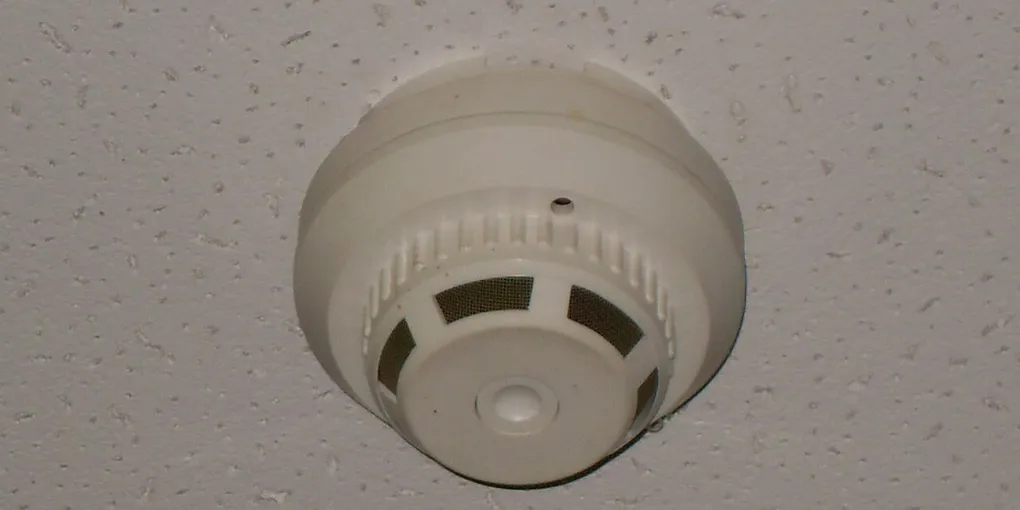
How to Test a Smoke Alarm: A Simple Monthly Safety Check
Quick answer
Test each smoke alarm monthly by pressing and holding its Test button until it sounds, following the model instructions. Make sure everyone in the home recognizes the sound. If an alarm does not respond, check its power source and manual promptly; do not leave it disabled.
Editorial note: This is general information, not professional advice. Check the linked sources and current local guidance before acting.
A smoke alarm only helps if it can make a clear sound when it is needed. A brief monthly test is a practical way to catch a missing battery, a loose connection or an expired unit before the alarm has to respond to a real fire.
The U.S. Fire Administration recommends testing smoke alarms at least monthly. This guide covers the ordinary Test-button check for a household alarm. It does not replace the manual, local building rules, a landlord’s procedure or instructions for a monitored or professionally installed fire-alarm system.
Before you press Test
Pick a time when the sound will not cause confusion. Tell everyone in the home that you are testing an alarm, including children, visitors and anyone who may be sensitive to sudden noise. If you live in an apartment or have a connected system, check the building instructions first; an individual household alarm and a monitored building system may have different testing procedures.
Stand where you can reach the button safely. Do not climb on a chair or countertop. A stable step stool on level ground is a better choice if the alarm is out of reach. Keep one hand free while climbing, and ask for help if the access itself feels unsafe.
It is also worth knowing where each alarm is. The USFA advises alarms inside every sleeping room, outside each separate sleeping area and on every level of the home, including the basement. Local requirements can vary, so treat that as general safety guidance rather than a substitute for local rules.
The monthly test: a short, repeatable routine
1. Walk through the home first
Make a small list of alarm locations: hallway, bedroom, basement, kitchen-adjacent area or other locations in your home. A phone note is enough. The point is to avoid testing only the most visible alarm while forgetting one in a guest room or storage level.
If you are already reviewing household supplies, add this task to your home maintenance log. Linking it to an existing routine is more reliable than hoping to remember it when life is busy.
2. Press and hold the Test button
Use the Test button on the alarm itself. Hold it for the time stated in the manual; many alarms need more than a quick tap. Step back before the sound begins, as the test signal can be loud.
A working alarm should produce its intended audible signal. For interconnected alarms, a test on one unit may activate others. That behavior depends on the model, so use the manual to interpret what you hear.
Do not test an alarm with a match, candle, cooking smoke, an open flame or an aerosol product. Those methods introduce unnecessary risk and can leave residue. The button is the normal user check unless the manufacturer or a qualified service provider specifies something else.
3. Confirm the result, not just the noise
Mark each location as pass, needs attention or not reached. If someone else is in a distant room, ask whether they could hear the alarm. That is useful information, but do not move or cover alarms based on one informal test; placement and audibility have safety and code implications.
Record the date and any issue. A simple entry can look like this:
| Location | Test date | Result | Follow-up |
|---|---|---|---|
| Hallway outside bedrooms | 7 Sep | Passed | Next monthly test |
| Basement | 7 Sep | No sound | Check model instructions today |
A small record makes a recurring chirp or an aging alarm easier to spot. It also gives another adult in the household a clear starting point.
Choose the follow-up from the test result
| Result | Next action | Do not assume |
|---|---|---|
| The model’s normal test signal sounds | Record the date and test the next alarm | One passing unit proves every alarm or interconnection passed |
| No sound, weak sound or an unfamiliar pattern | Identify the model and use its manual’s troubleshooting instructions | A new battery is the answer for every model |
| Sealed battery or end-of-life indication | Replace the complete compatible alarm as directed | The unit can be opened or its warning safely bypassed |
| Hardwired, monitored or shared-building system | Follow the building/provider procedure and use qualified help for wiring | A household button test authorizes changes to the system |
| Alarm sounds because of smoke or suspected fire | Follow the escape plan and local emergency guidance | It is only a test issue or a low-battery chirp |
USFA guidance supports monthly testing and replacement after 10 years. This decision aid deliberately leaves button-hold time, sound patterns, connectivity and panel behavior to the model manual or system provider.
If an alarm does not respond
Do not leave a silent alarm for later. First identify the model from the label, then consult its manual. Check only the user-serviceable items the instructions identify: for example, whether a replaceable battery is installed correctly, a battery compartment is fully closed, or a plug-in unit is seated correctly.
Many hardwired alarms have a backup battery, while some newer alarms have a sealed long-life battery and must be replaced as a complete unit at the end of their stated life. The U.S. Fire Administration says to replace alarms after 10 years. Check the manufacture or replace-by date and the exact model guidance rather than guessing from appearance.
Never pull wires, bypass a battery door or disable an alarm to stop a chirp. If the problem involves wiring, a panel, an unfamiliar connector or a shared building system, use the appropriate building contact or qualified professional. For a replaceable-battery model, see our model-first guide to changing a smoke alarm battery.
Turn the test into a household habit
Choose one repeatable trigger: the first weekend of the month, a monthly calendar alert or the same day you check an emergency water supply. Keep it brief enough that it actually happens.
During the check, also make sure alarms have not been painted over, covered or blocked by stored items. Do not make placement changes casually; if an alarm seems poorly located, look up local guidance or ask the property manager, electrician or fire-safety professional who is appropriate for the building.
A test is not a complete fire plan. Make sure household members know the sound, know two ways out where possible, and know where to meet outside. The USFA recommends having and practicing a home fire-escape plan; a working alarm gives that plan the time it needs.
Sources
Hero image: Georg Pik, public domain, via Wikimedia Commons.
Sources
Frequently Asked Questions
How often should I test smoke alarms?
The U.S. Fire Administration recommends testing smoke alarms at least monthly. A calendar reminder makes that routine easier to keep.
Does pressing Test check for real smoke?
No. The Test button checks the alarm's electronics and power response. Do not use matches, candles, cooking smoke or aerosol products as a substitute for the manufacturer’s maintenance instructions.
What if a smoke alarm does not sound when tested?
Do not ignore it. Check the model instructions, battery or power connection and the alarm's age. If it still does not respond, replace it or arrange qualified help as appropriate for the model and installation.
Should I warn other people before testing an alarm?
Yes. Tell people in the home first, especially anyone who may be startled by a loud sound. For a connected system, follow the building or monitoring provider’s instructions before testing.



.JPG)