
How to Keep a Home Maintenance Log That You Will Use
Quick answer
A useful home maintenance log records the date, task, result, cost, model number or contractor, and the next review date. Start with systems that can cause damage or disrupt daily life, then add entries whenever you inspect, clean, repair or replace something.
A home maintenance log is a small record of what you checked, what happened and what needs attention next. It is not a substitute for a technician, a manual or local safety rules. Its value is simpler: it prevents the familiar uncertainty of “Was that filter changed?” or “Which plumber fixed this last time?”
The most useful log is not a giant annual checklist. It is a short, living record tied to the systems in your own home. Start with the things that can create damage, cost or disruption when they are forgotten: water, heating or cooling, appliances, safety equipment and exterior drainage.
Use one row for one action
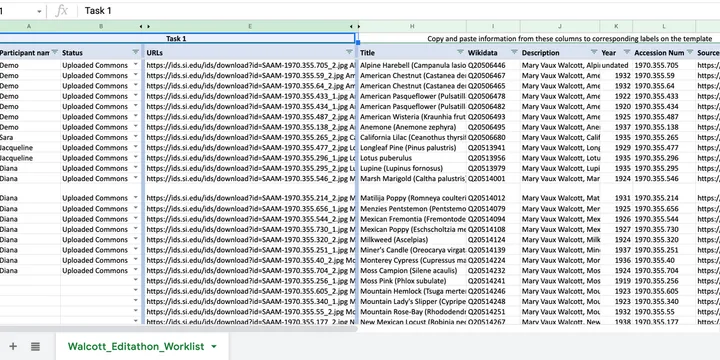
Choose a place that is easy to reach: a notes app, a calendar, a spreadsheet or a paper notebook. A spreadsheet is particularly useful when several people look after the home, because it can be filtered by room or next date. The spreadsheet guide explains a simple one-row-per-item structure if you need a starting point.
Copy this template and fill in only the columns that help you act:
| Date | System or location | What you did | Result or observation | Next action | Due date |
|---|---|---|---|---|---|
| 7 September | Kitchen sink | Checked under cabinet | Dry; no loose connection seen | Check again after travel | 7 December |
| 7 September | Washing machine | Recorded model and hose condition | No visible cracking | Follow manual service guidance | Add manual interval |
| 7 September | Smoke alarm | Tested using its test button | Alarm sounded | Replace battery if device indicates it | Add device guidance |
Add a link to a manual, a photo filename, a part number or a contractor’s invoice number in the observation column when it will save a future search. Do not put passwords, alarm codes or full financial details in a shared log.
Begin with a practical baseline
Walk through the home once and create an entry for each major system. You do not need to inspect everything in a day. The baseline is simply a list of what exists and where its information lives.
Useful first entries include:
- the main water shutoff location and any visible appliance hoses;
- smoke and carbon-monoxide alarms, following the manufacturer’s instructions; for a replaceable battery, use the smoke-alarm battery guide rather than opening the unit beyond its documented battery compartment;
- heating, cooling and ventilation equipment, including the manual and filter size if applicable;
- washing machine, dishwasher, refrigerator and water heater model details;
- gutters, downspouts and visible exterior drainage routes; and
- the electrical panel location and any labels you can read without opening it.
Take a photo of a model or serial label only when it is safe and accessible. Do not move heavy appliances, remove electrical covers or disturb utility equipment to obtain one. For a fuller record of belongings and proof of ownership, keep a separate home inventory; the maintenance log is about care and follow-up, not insurance valuation.
Write observations, not assumptions
A good entry is specific enough to be useful later. “Checked dishwasher — no moisture around supply connection” is better than “dishwasher fine.” “Bathroom fan noisy for 20 seconds after switch-on” is better than “needs repair.” You are recording what you observed, not diagnosing a fault.
This distinction matters when an issue repeats. Three dated notes about a slow drain or an intermittent appliance sound give a technician a clearer starting point than a vague memory. They also help you see whether a repair fixed the symptom or only delayed it.
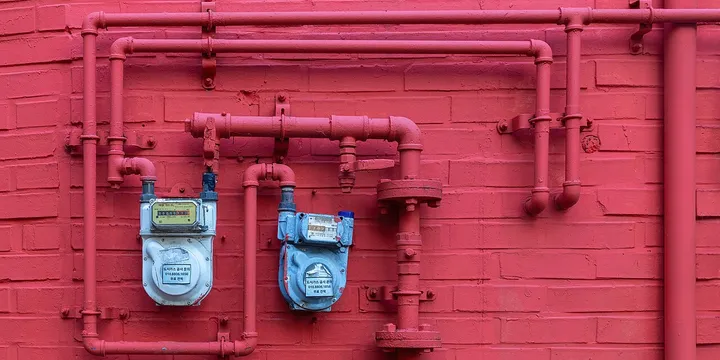
For a water-use concern, combine the log with two dated readings from the water-meter guide. Record the meter unit and whether appliances or irrigation were running. A changing meter can show that water passed through it, but it cannot identify the cause by itself.
Keep maintenance tasks tied to reliable instructions
Avoid filling the log with generic internet schedules. Equipment, climate, building design and local rules differ. For a furnace, heat pump, appliance, alarm or plumbing fixture, use the manufacturer manual as the source for its maintenance intervals and warnings.
Some jobs are often oversold. For example, the U.S. Environmental Protection Agency says routine duct cleaning has not been shown to prevent health problems, and ducts should be cleaned only as needed. That is a useful reminder for the log: write down a real reason for a service—such as a documented problem or a manual recommendation—rather than booking recurring work by default.
Where a task involves gas, electrical work, a roof, a ladder, a confined space, mould, or a suspected leak inside a wall, use an appropriately qualified professional. In the log, record the company, date, invoice reference and any follow-up they recommended.
Turn observations into a short next-actions list
At the end of each month or season, filter the log to entries with a due date or an unresolved observation. Then choose only the next few actions. A list of five real tasks is more likely to be completed than a calendar packed with guesses.
A useful review can be as short as ten minutes:
- Check entries since the last review for unresolved issues.
- Add the next date from a manual or professional recommendation.
- File receipts, photos and manuals where the next person can find them.
- Delete a reminder only after you record what happened.
- Update the record when an appliance, filter, alarm or contractor changes.
If you are preparing for a trip or a seasonal change, review water-related entries and the home shutoff information first. If you rent, record observations and report needed repairs through the landlord or property manager rather than attempting work you are not responsible for.
Make the record survive a handover
A maintenance log is especially useful when a partner, relative, tenant, house-sitter or future buyer needs to understand the home. Keep the current copy somewhere they can find with permission, and leave a short index: shutoff location, equipment manuals, trusted contractor contacts and the date of the last review.
Do not aim for a perfect household database. Add one row after each meaningful action. After a few months, the log becomes a quiet form of evidence: what was done, what changed and what deserves attention next.
Hero image: Aleksi Tappura a, CC0, via Wikimedia Commons.
Sources
Frequently Asked Questions
What should a home maintenance log include?
Record the date, location or system, task, result, any part or contractor used, cost if useful, and the next review date. Add model and serial numbers for major appliances when you can read them safely.
Should I use an app or a spreadsheet for home maintenance?
Use the format you can open and update reliably. A paper notebook, notes app, calendar or spreadsheet can all work; the essential feature is a clear record and a next-action date.
How often should I review a maintenance log?
Review it when seasons change, before a known service interval, and after a repair or replacement. Follow the equipment manual and local requirements where they apply instead of relying on a universal schedule.

.jpg)