How to Read a Water Meter and Spot an Unexpected Leak
Quick answer
To read a water meter, photograph or write down every digit shown on its register, including the unit. Repeat the reading after a known interval and subtract the first reading from the second. If the meter changes while every water fixture and appliance is off, investigate for a leak or ask the water provider for help.
Editorial note: This is general information, not professional advice. Check the linked sources and current local guidance before acting.
A water meter is a useful check between bills. It tells you whether water passed through the service line, but it does not explain why. Used carefully, a pair of readings can help distinguish a longer billing period from higher use, and can flag water moving when you expected none.
Meters, units and access arrangements vary. This guide is a general household method, not a substitute for your utility’s instructions or local rules. Do not force open a utility box, disturb a seal or reach into a flooded, damaged or traffic-exposed meter pit.
Start with the meter and its unit
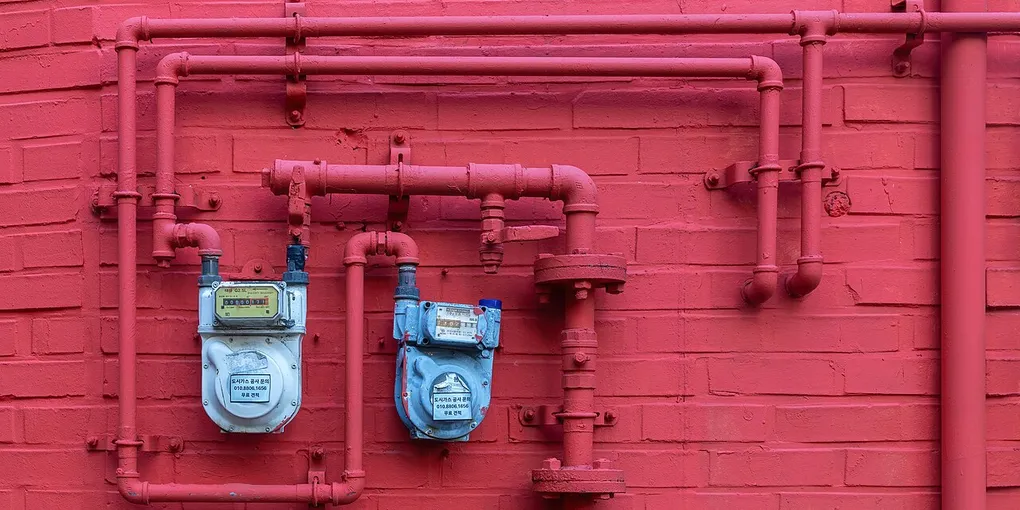
Find the register: it may be a row of numbers behind a clear cover, a digital display, or a dial-style face. Some are indoors; others sit at the property boundary. Your bill, provider portal or meter label should tell you whether it records gallons, cubic feet or cubic metres.
That unit matters. A number without its unit is not yet useful for comparing bills. Take a clear photo that captures the complete register and make a note of the date, time and unit. A photo avoids transposing a digit later.
If your meter has several small dials, a coloured sweep hand or a leak indicator, use the provider’s model-specific guide before interpreting it. Those features are not identical between meters. The dependable universal method is to compare the main register at two times.
Make a simple reading log
Write a small record like this:
| Date and time | Meter reading | Unit | What was happening? |
|---|---|---|---|
| Monday, 8:00 | 012345 | m³ | Normal household use before reading |
| Tuesday, 8:00 | 012352 | m³ | One full day of normal use |
Subtract the first reading from the second. The difference is the amount that passed through the meter during that period. Keep the unit attached to the answer rather than converting it immediately.
For a longer-term baseline, read at the same time once a week or once a month. Then compare similar periods. A household with guests, garden watering, hot weather or a changed work routine is not directly comparable with a quiet week. A short log is more revealing than trying to remember a single “normal” number.
The EPA advises reading water meters and submeters to identify unusual use before a high bill. Your bill remains the authority for charges, tariffs and its billing dates, but the meter gives you a more immediate usage check.
Run a no-water test for a possible leak
Choose a quiet period when you can control water use. First, stop intentional use:
- Do not run taps, showers, washing machines or dishwashers.
- Pause irrigation if it is under your control.
- Check that toilet tanks are not actively refilling.
- Remember less obvious users such as an ice maker, water softener or whole-home filter.
Record the meter reading and time. Leave water off for 30 minutes to two hours, then read it again. If the register changed, water passed through the meter during the test. That is a prompt to investigate—not proof of a particular hidden-pipe fault.
Check easy-to-observe places first: a running toilet, dripping tap, outdoor spigot, irrigation zone or appliance connection. Do not dismantle plumbing or enter a hazardous space to chase a reading. If the meter continues to move after you have ruled out normal use, document both readings and contact a plumber or your provider.
The EPA describes leak detection as either moisture detection or flow monitoring. A meter test is a basic flow check: it shows unexpected consumption, while moisture and professional inspection can help locate the cause.
Compare the meter with the bill—carefully
A bill may cover dates that do not match your own readings. It may also use an estimated reading and correct it later. Before concluding that the meter and bill disagree, check:
- the bill’s start and end dates;
- whether the bill says actual or estimated;
- the meter unit shown on the bill; and
- whether your own readings include exactly the same period.
If you log a week’s use, do not multiply it by four and expect an exact monthly bill. Billing periods have different lengths, and your water use can vary sharply. Use the comparison to ask better questions, not to calculate a charge your provider has not issued.
A basic home inventory can make this check more useful: note appliances that use water, irrigation controls and the location of the shutoff valve. That record helps when a change appears and when someone else needs to understand the home quickly.
Respond to a change without guessing
An unexpected meter change deserves prompt attention, especially if it repeats. Take photos of both readings, note what was switched off and keep the relevant bill. Then make the next safe check: visible fixtures, toilet behaviour and outdoor connections.
If you find water where it should not be, cannot safely access the meter, or suspect a concealed leak, stop treating it as a spreadsheet task. Follow the provider’s emergency contact guidance and use a qualified professional where needed. The EPA’s Fix a Leak Week resources also point households toward common leak checks and repair action.
A meter reading is most valuable as a calm routine: confirm the unit, record two readings, compare like with like and investigate repeat movement when water should be off. That gives you evidence before the bill arrives—and a clearer starting point if you need help.
Hero image: Basile Morin, CC BY-SA 4.0, via Wikimedia Commons.
Sources
Frequently Asked Questions
What unit does a water meter use?
The register or bill should identify the unit, commonly gallons, cubic feet, or cubic metres. Do not convert a reading until you have confirmed the unit used by your own meter and provider.
Why is my water meter moving when nothing is on?
A changing meter with all intentional water use stopped can indicate a leak, but first check that appliances, irrigation, ice makers and water-treatment equipment are not running. If the reading still changes, contact a qualified plumber or the water provider as appropriate.
Can I use a water meter to find a small leak?
Yes. Record the meter with no water use, avoid water use for a set period, then compare the reading. A change is a reason to inspect further; it does not identify the leak location by itself.
Should I remove the meter cover myself?
Only open an accessible cover if it is safe and permitted locally. Do not tamper with a sealed meter, wiring, valves or utility equipment; ask the provider if the register cannot be read safely.