How to Prepare for a Power Outage: 10 Steps for a Safer Home
Quick answer
Build a small outage kit, list every device or medicine that needs electricity, save local alerts and decide where you will go if heat, cold or a medical need makes home unsafe. During an outage, keep refrigerators closed, use generators and fuel-burning appliances outdoors only, and follow local utility and emergency instructions.
Editorial note: This is general information, not professional advice. Check the linked sources and current local guidance before acting.
A power outage is easier to manage when the first hour is already planned. Darkness, a dead phone, a warm refrigerator and a medical device that needs charging can turn a short interruption into a serious problem. The Ready.gov power-outage guidance notes that outages can disrupt communications, water, transport, food storage and medical equipment.
Use this as a general household plan, then adapt it to your local utility, building, climate and emergency number. For cold-weather preparation before an outage, use our house-winterization checklist as a companion. If officials issue an evacuation or safety instruction, follow it rather than trying to make the home plan work at any cost.
Use this first-hour decision aid
When the lights go out, do these checks in order. This is a triage aid, not a substitute for local emergency instructions:
| If you notice this | Do this now | Stop point |
|---|---|---|
| Smoke, sparks, a burning smell, flooding near electrics, a downed line or a carbon-monoxide alarm | Leave the immediate area, call the utility or emergency services from safety, and follow their instructions | Do not touch wiring, enter floodwater or investigate a suspected CO source |
| Someone depends on powered medical equipment or refrigerated medicine | Call the provider and arrange backup power, transport or a powered location before the battery or storage window ends | Do not wait for the device to fail or guess about medicine temperature limits |
| The home is becoming dangerously hot or cold | Move to a powered location identified by local officials, family or a community service | Do not heat with an oven, stove, charcoal or an indoor generator |
| No immediate hazard and everyone is stable | Keep doors closed, use flashlights, report the outage and start the kit checklist | Reassess after the utility’s estimated restoration time changes |
The exact action depends on your country, building, weather and household needs. In the United States, CDC guidance lists headache, dizziness, weakness, nausea, vomiting, chest pain and confusion as possible carbon-monoxide poisoning symptoms; move to fresh air and get urgent help if exposure is suspected. Use your local emergency number and health guidance elsewhere.
1. List what stops working without electricity
Walk through the home and write down every important dependency. Include the refrigerator and freezer, heating or cooling, water pump, lift or elevator access, garage door, internet router, lamps, phone chargers, cooking equipment, aquarium pumps and medical devices. Add refrigerated medicines and anything needed by a baby, older adult or pet.
For each item, record a non-electric alternative, the battery or fuel it needs and how long you can manage without it. This list is more useful than buying a random large battery because it shows which needs are urgent and which can wait.
If a medical device or refrigerated medicine appears on the list, contact the provider now. Ready.gov recommends asking a medical professional about outage procedures, storage temperatures and a plan for electrically powered equipment. Save the provider’s number on paper as well as in your phone.
2. Make one easy-to-find outage kit
Put the essentials in a labelled box or backpack that every adult can reach without searching in the dark. Start with:
- A flashlight for each household member, plus spare batteries
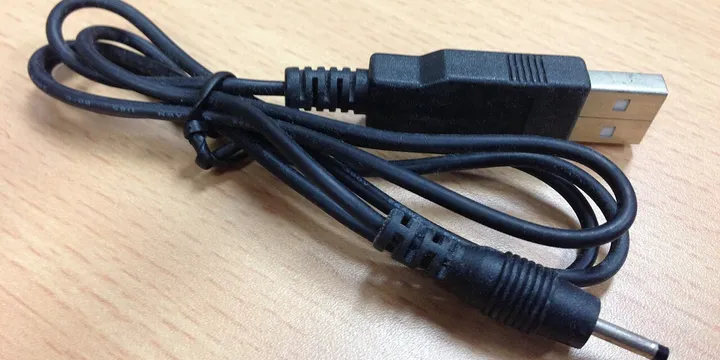
- Power banks, charging cables and a car charger where appropriate
- A battery-powered or hand-crank radio
- Bottled or stored water and food that does not need cooking
- A first-aid kit, personal medicines and basic hygiene supplies
- A manual can opener, warm layers, blankets and sturdy shoes
- Cash, copies of key contacts and a paper list of medical information
Add pet food, litter, baby supplies, glasses, mobility aids and hearing-aid batteries as needed. The Red Cross recommends keeping a paper contact list and planning for communication devices that work without home power. Test the kit twice a year and replace expired batteries, food and medicines.
3. Sign up for alerts and save utility details
Before an outage, find your electricity provider’s outage-reporting page and save the phone number. Sign up for local emergency alerts, weather notifications and utility messages where available. A radio is useful when mobile networks or home internet are unreliable.
Write down the service address, account number and the numbers of people who can help. Tell a trusted neighbour if someone in the home may need help with transport, charging or evacuation. The Red Cross outage-safety guidance recommends building a support network for an extended outage rather than relying on one person or one device.
4. Plan for heat, cold and water
Decide in advance where you will go if the home becomes dangerously hot or cold: a relative’s house, a public cooling or warming centre, or another location identified by local officials. Plan transport for anyone who cannot drive, and keep the car reasonably fuelled if an evacuation or charging trip may be necessary.
Do not heat the home with a gas oven or stovetop. Do not burn charcoal, use a camp stove or run a generator indoors. These choices create fire and carbon-monoxide risks. Close curtains in heat, add dry layers in cold and open or close windows only according to local conditions and official advice. If your water supply relies on electric pumps, store enough safe water for your household’s actual needs and local guidance.
5. Protect refrigerated food and medicine
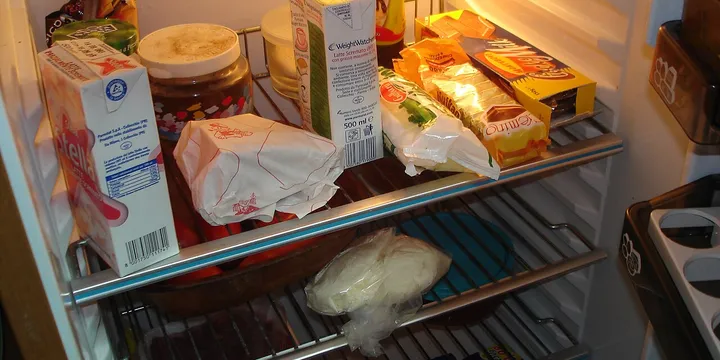
Keep the refrigerator and freezer doors closed. An unopened refrigerator stays cold for about four hours; the Red Cross says an unopened full freezer can hold its temperature for about 48 hours, or about 24 hours if it is half full. A thermometer is more useful than guessing from smell or appearance.
If the outage is expected to last, move food to a cooler with ice while it is still cold. Do not rely on smell, colour or taste to judge safety: follow local food-safety instructions and discard perishable food that has been above the recommended temperature or has thawed. The clean refrigerator guide covers a safe reset after spoiled food or a long interruption.
Treat medicine separately. Do not assume that a refrigerated medicine is safe at room temperature just because another medicine is. Ask a pharmacist or prescriber what to do, and arrange a replacement or relocation before the storage window expires.
6. Charge and disconnect before the outage
When severe weather or a planned shutoff is expected, charge phones, power banks, laptops and rechargeable lights. Download important directions or documents, and keep one phone available for emergency calls. Use a power bank for essential communication rather than entertainment so it lasts longer.
Switch off or unplug sensitive electronics and major appliances. Power can return with a surge, so leave one lamp switched on to show when electricity is back, then reconnect equipment gradually. A small surge protector can help with ordinary electronics, but it is not a substitute for following the appliance or utility guidance.
The phone-battery guide has more ways to stretch a phone’s charge when there is no outlet, including reducing unnecessary background activity and screen use.
7. Use a generator only with a safe plan
A portable generator can help with selected appliances, but it is not a casual indoor power source. Ready.gov and the Red Cross both say to keep generators outdoors and at least 20 feet from windows, doors and attached garages. Keep the unit dry, never operate it in a home, basement, garage or carport, and use only the connections specified by the manual.
Install working carbon-monoxide alarms with battery backup on every level of the home. Never connect a generator directly to household wiring unless a qualified electrician has installed the required transfer equipment. Let the generator cool before refuelling, keep fuel away from ignition sources and stop immediately if exhaust enters the home, the unit gets wet or anyone feels ill.
8. Keep people away from electrical hazards
Stay away from fallen wires, damaged poles, flooded electrical equipment and anything that may be energised. Do not touch a person or object in contact with a downed line. Report the hazard to the utility and emergency services from a safe distance.
Use flashlights instead of candles when possible. If you must use an open flame, follow local fire guidance and keep it away from children, pets, curtains and bedding. Keep paths, stairs and exits clear so a dark home does not become a fall or evacuation hazard. The fire-extinguisher guide explains why an extinguisher never replaces an escape plan.
9. Decide when to leave
A home plan has limits. Leave or move to a powered community location if the temperature becomes unsafe, water or sanitation fails, the building is damaged, smoke or carbon monoxide is suspected, or a medical device cannot be supported. Do not wait until every battery is empty.
Keep essential medicines, identification, phone chargers, water and warm layers together so leaving is quick. Include pets in the destination and transport plan. If local authorities issue an evacuation order, take it seriously and use the recommended route; never drive around downed lines or floodwater.
10. Restore power carefully
When electricity returns, wait for the utility or building instructions if there was storm damage. Look for burning smells, sparks, water around electrical equipment or damaged cables. If you see a hazard, keep away and call a qualified professional or the utility.
Reconnect important devices one at a time rather than switching everything on at once. Check food and medicine separately, reset clocks and alarms, recharge the outage kit and replace anything used. Finally, write down what failed: a missing cable, a dead battery, an inaccessible contact or a room that became too hot. That short review makes the next outage less surprising.
Hero image: Javier Perez Montes, CC BY-SA 4.0, via Wikimedia Commons.
Take it with you
- Download the power-outage first-hour checklist
A plain-text checklist for triage, safe power, food, medicine and leaving decisions.
Sources
Frequently Asked Questions
What should I keep in a power outage kit?
Start with a flashlight for each household member, spare batteries, phone power banks and charging cables, a battery or hand-crank radio, water, shelf-stable food, basic first aid supplies, necessary medicines and a paper contact list. Add items for pets, babies, mobility needs and any equipment that depends on electricity.
How long will food last during a power outage?
An unopened refrigerator keeps food cold for about four hours. An unopened full freezer can hold its temperature for about 48 hours, or about 24 hours when half full. Use a food thermometer and follow local food-safety guidance; when food is too warm or you are unsure, throw it out.
Can I use a generator in a garage during a power outage?
No. Use a portable generator outdoors, in a dry place, at least 20 feet from windows, doors and attached garages, and follow the generator manual. Never use it in a home, garage, carport or other enclosed area, and install working carbon monoxide alarms with battery backup.
What if someone needs electricity for medical equipment?
Make a plan with the medical-device provider and healthcare professional before an outage. Ask about backup power, battery duration, refrigerated medicine, warning signs and where to relocate if the outage lasts. Do not wait for the battery to run out before arranging help.