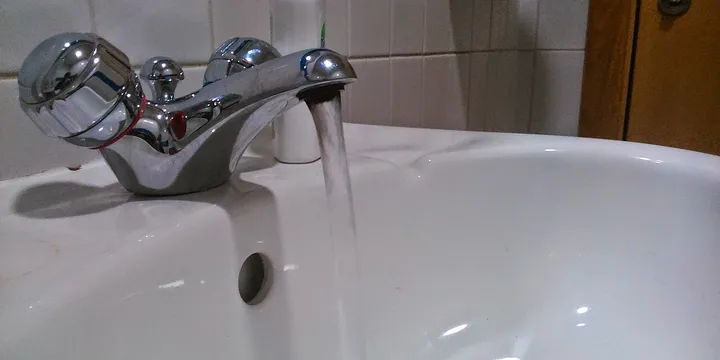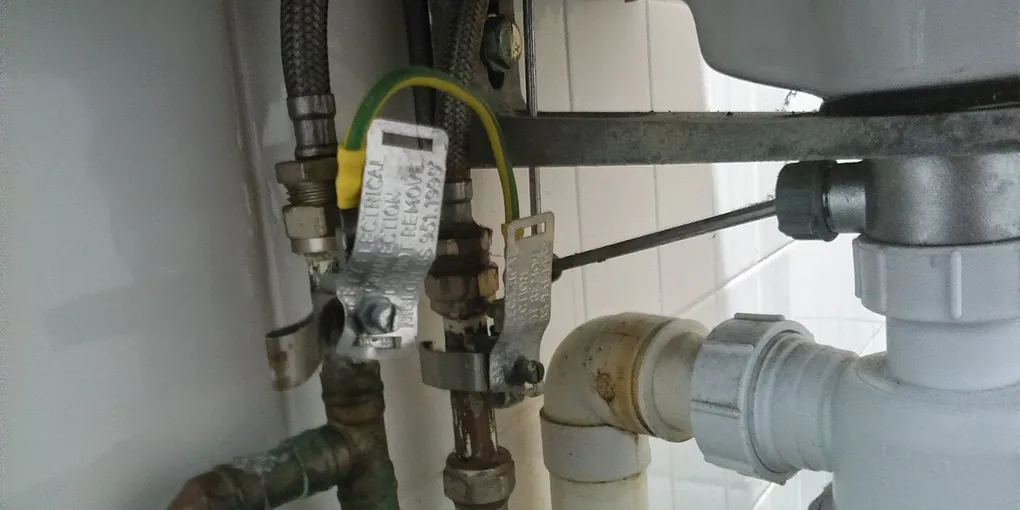
Quick answer
Try, in order: boiling water, a cup plunger over the drain, then baking soda and vinegar. If the water still won't drain, work a hair snake into the trap or clean out the P-trap under the sink. A clog in a single sink is almost always a simple trap or hair clog; when several drains back up at once, the main line is blocked — call a plumber.
A slow drain is rarely an emergency — it is a plumbing problem you can fix yourself, usually for the price of hot water or a five-dollar snake. This guide walks through the methods in the order you should try them, cheapest and safest first, and ends with the signs that it is time to call a plumber.
Stop here if you used chemicals: if you already poured a caustic cleaner like Drano into the drain, do NOT use a plunger or snake on top of it — the splashback can burn your skin and eyes. Flush with plenty of hot water for several minutes before trying anything else.
A 5-minute diagnosis before you try anything
Start with the symptom, not the bottle under the sink. Run water in the affected fixture for a few seconds, then check whether another fixture changes. If only one sink, tub, or shower is slow, you can usually work through the methods below. If several drains back up together, the toilet bubbles when another fixture runs, or wastewater appears in a tub or floor drain, stop: that points beyond a single trap and needs a plumber.
For one slow fixture, use this quick match:
- Kitchen sink, greasy water, no solid standing blockage: begin with dish soap and very hot water, then try the plunger. Use hot tap water rather than boiling water if you have plastic piping or an acrylic fixture.
- Bathroom sink, tub, or shower with hair near the opening: remove the stopper or cover and pull the hair out before adding liquid. A plastic hair snake is usually faster than a chemical cleaner.
- Sink that stays blocked after plunging: put a bucket under the P-trap and clean it before reaching for a longer snake. This is the quickest check for debris caught under the basin.
- Water level barely changes and the trap is clear: the blockage may be farther down the branch pipe. Use a hand-crank snake gently, or call a plumber if you meet hard resistance, hear scraping, or the cable will not advance.
Do not stack methods blindly. Between attempts, flush with plain water only and reassess the flow. Never combine drain products, vinegar, bleach, or other cleaners; Poison Control advises following the label, ventilating, and never mixing household cleaning products. If a caustic product has already gone down the drain, avoid plunging or snaking and tell the plumber exactly what was used.
1. Boiling water (the free method)
For a slow kitchen drain clogged with grease, boiling water is often enough.
- Bring a kettle or pot of water to a rolling boil.
- Pour it down the drain in two or three stages, letting it sit for 30 seconds between pours.
- Repeat twice.
Important: use very hot tap water instead of boiling water if your pipes are PVC — boiling water can soften the glue at plastic joints. Metal pipes take boiling water fine.
2. The plunger (the classic)
The sink needs a cup plunger — the flat black rubber cup — not the toilet flange plunger with the fold-out rim.
- Plug the overflow hole in the sink with a wet rag (it is the one at the top, near the back). Without this, you’re just pushing air.
- Fill the sink with water until the plunger cup is submerged.
- Place the cup over the drain, press down to seat it, then pump hard and rhythmically — 15 to 20 vigorous strokes, ending with a sharp pull.
- Repeat three to five times.
Most simple clogs clear here. If not, move on.
3. Baking soda and vinegar (the natural method)
- Pour 1/2 cup of baking soda straight into the drain.
- Follow with 1 cup of white vinegar and plug the drain quickly with a rag so the fizz goes down instead of up.
- Wait 15–20 minutes, then flush with a kettle of hot water.
This works best as maintenance for slow drains and to deodorize — it won’t clear a full blockage, but it is safe, cheap, and great to do monthly.
4. Dish soap and hot water (grease attack)
A stubborn grease clog can be dissolved with a little elbow grease of the chemical kind:
- Pour 1/4 cup of liquid dish soap into the drain.
- Top it up with very hot water and let it soak for 30 minutes.
- Flush with more hot water.
Dish soap is a degreaser — this combo is the classic first move when the kitchen sink drains slowly.
5. The hair snake (for tubs and showers)
The cause of most bathtub drains is hair caught on the stopper or the crossbar under it.
- Remove the stopper. Most pop-up stoppers lift out; some unscrew their cap; a tub drain key can help.
- Fish out visible hair with pliers or a zip-it tool, then run hot water.
- If it still drains slow, push a barbed plastic hair snake (a few dollars at any hardware store) into the drain and spin it. Pull it out with the hair wrapped around it, repeat two or three times.
6. The P-trap trick (under the sink)
If nothing above worked, the clog is likely right below the sink in the U-shaped trap.
- Put a bucket under the sink.
- Unscrew the two slip nuts on the trap with your hands (a wrench if they’re stuck).
- Pull the trap off, dump its contents into the bucket, and pick out any gunk — check the short horizontal tailpiece too.
- Rinse the trap in the bucket of hot water, inspect the rubber washers, and reinstall — hand-tight, + a quarter turn with a wrench.
Clean the trap each time you do this: it’s often the only place you need to clean.
7. The wet/dry vacuum (when you have one)
If you own a shop vacuum with a wet mode, it can put real pressure behind a stubborn clog:
- Clear the drain of standing water, switch the vacuum to wet mode.
- Hold the hose end over the drain, seal any gaps with your hand, a rag, or a dry plunger on top of the hose.
- Turn on the vacuum for 30–60 seconds at a time, listening for the clog moving.
8. Garbage disposal fixes (kitchen-specific)
If the drain that won’t move is a sink with a disposal, the fix is often in the unit itself. Before trying a reset or any model-specific clearing procedure, review the safe garbage-disposal cleaning guide for the accessible-cleaning boundaries and symptoms that need service.
- Reset button: find the red reset button on the bottom of the disposal. If it’s popped out, turn off the switch, press it back in, and try again.
- Allen wrench trick: a hex key into the center hole on the bottom turns the blades manually — turn both ways to free a jam.
- Ice and salt: with the water running, put ice cubes and coarse salt down the disposal — the ice scours the blades and throws debris out. For smells, grind a lemon peel.
- Never put these down the unit: cooking grease, coffee grounds, fibrous vegetables like celery or corn husks, bones, starches like rice.
9. Chemical cleaner — the careful way
Chemical cleaners are a last-resort for a fully blocked drain, and they’re worth using carefully:
- Get the one meant for the clog type (hair-and-soap vs. grease), not the cheapest random bottle.
- Follow it with plenty of water — the product’s label is the rule.
- Ventilation and eye protection are the non-negotiable part.
Chemicals are corrosive: after years of use they can eat through metal pipes, and with a septic system they are a bad idea. Except in a true emergency, the mechanical methods above win.
10. When to call a plumber
Some signs mean the clog is beyond a sink fix:
- Several drains slow at once, or water backs up in the tub when you run the dishwasher.
- Gurgling sounds from the pipes.
- A sewage smell.
- Recurring clogs in the same drain — something deeper is wrong.
- The water level in the toilet rises when you run the shower.
A plumber’s $200 visit is cheap compared to a flooded floor. If you are a landlord, drain issues are one of the most common tenant maintenance calls — read the first-time landlord guide before the first one lands in your inbox.
5-minute prevention habits
The cheapest unclog is the one you prevent:
- Put a hair strainer in every tub and shower drain, and empty it weekly.
- Don’t pour grease down the sink — pour it into a jar, freeze it, and throw it away (or recycle it at a disposal point).
- Flush every drain with a kettle of hot water once a month.
- Run water down the kitchen drain while the garbage disposal is running — the water carries the debris through, always.
- Keep the sink and disposal free of food residue; if tiny flies keep appearing around the drain, use the fruit-fly control guide to trace the breeding source instead of reaching for drain chemicals.
- Fix small drips and slow drains early. A small leak around the trap is visible before it’s a repair bill in the emergency-fund category; for a dripping tap, see the leaky-faucet repair guide. A slow drain grows into a blocked one.
With these methods, you’ll handle the vast majority of drains yourself — and, bonus, you run less hot water for shorter showers, which keeps the water heating bill a little bit happier too.
Hero image: 247 Home Rescue, CC0, via Wikimedia Commons.
Frequently Asked Questions
Does baking soda and vinegar really unclog a drain?
It works for mild, slow drains: the fizzing loosens grease and sludge so the hot water that follows can wash it away. It will not clear solid clogs like hair or soap buildup — for those you need a snake or a P-trap cleanout. Use the soda-vinegar method as monthly maintenance rather than a rescue tool.
How do I know if the clog is in the main line?
If the sink, bathtub and toilet all drain slowly at once, if water backs up into one fixture when you run another, if the drains gurgle, or if a sewage smell appears — the blockage is in the main pipe or the sewer line. That is a job for a plumber with a drain camera and auger, not a sink plunger.
Is Drano safe to use?
Caustic drain cleaners do break down grease and hair, but they are corrosive: over time they can damage metal pipes, and they are a serious splash hazard if a clog opens up suddenly. Never use one after a mechanical snake has been in the pipe, never mix it with vinegar or bleach, and open a window while working.
What is the fastest way to unclog a bathtub drain?
Hair is the cause of most tub clogs. Remove the stopper, fish out the visible hair with a zip-it or wire hook, then run hot water with a cup of dish soap. If the drain is still slow, push a hair snake in and spin it — this usually clears a tub drain in under five minutes.