Quick answer
Remove the food and moisture where fruit flies reproduce before relying on a trap: refrigerate ripe produce, discard spoiled scraps, rinse bottles and cans, clean drains and disposals, and dry mops and sponges. Then use an apple-cider-vinegar trap with a drop of dish soap and repeat the cleanup for at least one full life cycle.
A few tiny flies around a banana bowl can become a kitchen-wide nuisance because the visible adults are only the part you notice. Fruit flies are attracted to ripe or overripe fruit, vegetables and fermenting liquids such as wine, beer, juice and vinegar. The University of Maryland Extension says the full life cycle can take only 8 to 10 days, so a trap that catches adults without removing the breeding material rarely solves the problem.
The reliable order is simple: identify the insects, remove food and moisture, clean the overlooked places, then trap the remaining adults. The University of Maryland Extension fruit-fly guide calls sanitation the primary control. Use these ten steps rather than spraying the kitchen and hoping the next generation does not appear.
1. Confirm that you are dealing with fruit flies
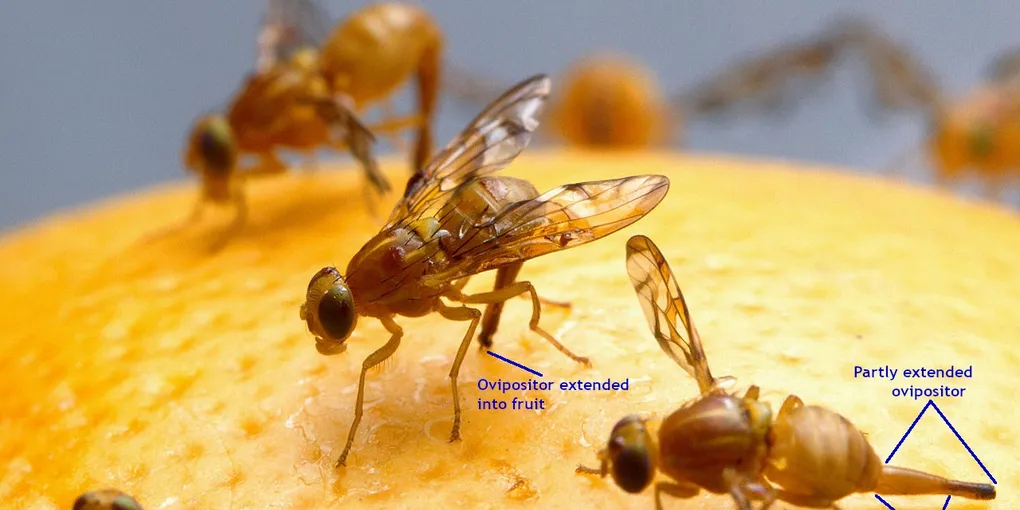
Look closely before choosing a method. Common fruit flies are very small—about 1/8 inch—and may look tan, yellowish-brown or brownish-black, often with conspicuous red or orange eyes. They tend to gather near fruit bowls, recycling, compost scraps, sinks and anything that smells fermented.
Do not confuse every tiny flying insect with a fruit fly. If the insects are fuzzy, emerge mainly from plant soil, or ignore fruit and vinegar, take a close photograph and ask a local extension office or pest-identification service for help. Correct identification matters because a trap designed around fermenting food is not a universal answer.
2. Find where the adults are feeding
Watch the flies for a few minutes instead of wiping the whole room at random. Check:
- Fruit bowls and vegetables stored on the counter
- The underside of a bin, basket or appliance
- Empty wine, beer, juice and soda containers
- Recycling bags and bottles waiting for collection
- Compost containers and scraps left beside the bin
- The sink, garbage disposal and dishwasher edges
- Damp cloths, sponges, towels and mop heads
A small spill under a refrigerator or a forgotten onion in a cupboard can be enough. The Iowa State Extension fruit-fly guidance lists empty containers, garbage disposals, drains, mops, wet sponges and dishcloths among the places that can support the problem.
3. Remove ripe and damaged produce
Take every piece of fruit and produce off the counter. Discard anything leaking, mouldy, split or fermenting, and check beneath items that have been sitting in a bowl. Do not put spoiled scraps into an open kitchen caddy and leave them overnight; seal them and move them to the appropriate outside bin or compost system.
Put sound ripe fruit in the refrigerator or a closed container for the duration of the cleanup. Wash the bowl, tray or counter underneath it. If the flies disappear for a day and return when fruit comes back out, you have found a likely source.
For a more deliberate food-storage reset, the pantry-organization guide covers visibility, rotation and a small “use soon” zone that makes forgotten produce less likely.
4. Empty and clean the recycling route
Rinse sticky residue from bottles, cans and jars before they go into recycling. Tie up food waste and take it out rather than storing it beside the sink. Wash the inside and underside of the recycling container, especially if juice or wine has dried there.
Check reusable shopping bags, a drinks crate and the floor beneath the bin too. A container can look empty while a thin film of fermenting liquid remains around the rim. Keep the lid closed between uses, and do not leave a half-full glass of juice, wine or beer uncovered overnight.
5. Clean the sink, drain and disposal
Fruit flies can use residue in a drain or garbage disposal as a food source. Scrub the sink basin, drain cover, overflow opening and the rubber splash guard if you have a disposal. Remove visible food debris, then follow the appliance or plumbing manufacturer’s instructions for cleaning.
Do not pour random pesticides or harsh mixtures down a drain. Iowa State says chemical control is not recommended for ordinary fruit-fly control; removing the organic residue and keeping the area clean is the more dependable first move. If the drain is slow or repeatedly smells, use the safe drain-unclogging guide or call a plumber rather than treating an ongoing plumbing problem as an insect problem.
6. Dry every damp cloth and hidden wet spot
A wet sponge, dishcloth, mop head or towel can provide both moisture and residue. Squeeze mops thoroughly, wash or replace sour-smelling sponges, and hang cloths so they dry between uses. Wipe under the dish rack, around the dishwasher seal and beneath the sink.
The University of Maryland Extension specifically warns that damp mops or towels may contain enough food and moisture for fruit-fly development. Utah State University Extension also lists mop and broom heads and floor drains among sites worth checking. Drying these places is a small step with a large payoff because it removes a source you may not associate with fruit.
7. Make a simple vinegar trap
After the cleanup, catch the adults still flying around. The University of Maryland Extension recommends this basic design:
- Pour a shallow layer of apple cider vinegar into a glass or jar.
- Add one drop of dish soap.
- Cover the opening tightly with plastic wrap or a small plastic bag.
- Secure the cover with a rubber band.
- Poke a few tiny holes in the cover.
- Place the trap where the flies gather, away from food preparation.
The vinegar attracts the flies and the soap changes the surface so they are less likely to escape. Keep the trap out of reach of children and pets, and replace it when it becomes dirty or loses its smell. A commercial fruit-fly trap is also reasonable if you prefer a contained product; Utah State lists both commercial traps and vinegar traps as options for adults that come indoors.
8. Keep the breeding source gone while the trap works
A trap is a finishing tool, not permission to put the fruit bowl back beside the sink. For the next several days:
- Refrigerate ripe fruit or keep it in a sealed container.
- Rinse recycling immediately instead of at the end of the week.
- Wipe juice, wine and syrup spills as soon as they happen.
- Empty the food-scrap container regularly.
- Keep counters, drains and disposal parts free of residue.
- Dry sponges, dishcloths, towels and mops after use.
The adults may continue to emerge after the first cleanup because eggs or larvae were already present. That does not mean the cleanup failed. It means the visible population is catching up with the source you removed.
9. Repeat the inspection for one full life cycle
The Maryland guide reports an 8-to-10-day fruit-fly life cycle. Recheck the kitchen during that window, especially after taking out rubbish or moving stored produce. Refresh the trap and repeat the drain, recycling and damp-cloth inspection rather than counting one quiet morning as the end.
If the number keeps falling, stay consistent until you see no new adults. If it stays steady, return to step 2 and inspect a different room: a utility sink, bar area, basement recycling station, pet-food spill or compost container can keep feeding the problem even when the main kitchen looks clean.
The home-composting guide explains how to bury fresh scraps under dry material and keep a lid and feeding routine under control. That is useful prevention if the flies started around a kitchen compost container.
10. Know when to change course
Call for help or seek a better identification when the flies persist despite removing food and moisture, appear in several rooms, or do not respond to a food-based trap. A professional can inspect wall voids, drains, commercial-style waste areas and other hidden sources. In a rental, document the location and timing before reporting it so the owner or manager can investigate a plumbing or building issue.
Do not escalate to an indoor pesticide merely because the insects are annoying. The extension guidance points back to sanitation and source removal, and pesticide use around food-preparation areas creates its own label and exposure questions. If you use any commercial product, follow its label exactly and keep it away from food, children and pets.
Fruit flies usually disappear when the kitchen stops supplying the combination they need: fermenting food, residue and moisture. Remove the source first, trap the adults second, and keep checking for the small overlooked places—drains, recycling, compost and damp cleaning tools—that make the problem restart.
Hero image: Image: JonRichfield, CC BY-SA 4.0, via Wikimedia Commons.
Sources
Frequently Asked Questions
What is the fastest way to get rid of fruit flies?
Remove the breeding source first: refrigerate ripe produce, discard spoiled scraps, rinse bottles and cans, clean drains and disposals, and dry damp cloths or mops. A vinegar trap catches adult flies while the cleanup prevents the next generation.
Does apple cider vinegar really catch fruit flies?
Yes, it attracts adult fruit flies. Put a little apple cider vinegar in a jar, add a drop of dish soap, cover it tightly with plastic wrap, and poke tiny entry holes. The trap reduces adults but cannot replace removal of the food or moisture where larvae develop.
Why do fruit flies keep coming back after I trap them?
A hidden breeding site is probably still available. Check overripe produce, recycling residue, garbage disposals, drains, compost scraps, wet sponges, towels and mop heads. Keep cleaning and trapping through the fruit fly life cycle rather than stopping when the visible swarm drops.
Are fruit flies the same as drain flies or fungus gnats?
Not necessarily. Fruit flies are usually tiny and attracted to ripe or fermenting food. If the insects are not attracted to fruit or vinegar, look for a local extension identification guide or send a clear photo to an extension office before choosing a treatment.