How to Build an Emergency Fund: A Step-by-Step Guide
Quick answer
Start with a specific, affordable buffer rather than waiting for a perfect three-to-six-month balance. Add up essential monthly costs, choose a first milestone, keep the money in a separate accessible savings account, automate a contribution you can sustain, and review it monthly. The amounts and account choice depend on your circumstances; the example below is illustrative, not individualized financial advice.
Editorial note: This is general information, not professional advice. Check the linked sources and current local guidance before acting.
An emergency fund is cash set aside for an unplanned expense: a repair, medical bill, damaged phone or loss of income. The Consumer Financial Protection Bureau (CFPB) says even a small reserve can help you recover from a financial shock without immediately relying on credit or loans.
The practical goal is not to reach a magic number in one leap. It is to choose a target, make contributions repeatable and keep the money available when a genuine surprise arrives.
Choose a target that matches your situation
Use this progression as a decision aid, not a rule:
| Situation | Useful first target | Next review |
|---|---|---|
| Starting from zero or income is tight | One specific near-term shock, or the largest affordable buffer you can name | After one month of contributions |
| You can cover small surprises but not a long interruption | One month of essential costs | After a move, job change or major new bill |
| Income is variable or household risk is high | A larger reserve based on essential costs and likely interruption length | At least twice a year, or when income changes |
Three to six months of living expenses is a common long-term reference, but the right amount depends on your circumstances. The CFPB recommends considering the unexpected costs you have actually faced; Scotiabank similarly suggests reviewing non-discretionary bills rather than copying someone else’s balance.
Work out the number: an illustrative example
Suppose a household lists these monthly essentials:
- housing and utilities: 1,100;
- basic food: 350;
- transport: 250;
- insurance and minimum debt payments: 300.
The illustrative essential total is 2,000 per month. A three-month reference would be 6,000, and a six-month reference would be 12,000. Those figures are not a recommendation or a promise that three or six months is necessary. They show the calculation: essential monthly costs × chosen number of months.
If the household can save 200 per month, reaching 6,000 would take 30 months before interest or withdrawals. That result is useful because it exposes the tradeoff: either choose a smaller first milestone, increase the contribution when possible, use a windfall, or accept a longer timeline. Do not hide the timeline behind an optimistic claim.
Build the system in five steps
1. Name the first milestone
Write one amount and one reason: “I am building 500 for urgent transport and repairs,” or “I am building one month of essentials.” A specific goal is easier to review than “save more.” If your income is irregular, use a contribution range or a percentage you can reduce in a weak month.
2. Separate the money from daily spending
Choose a safe, accessible savings location that is separate enough to reduce impulse spending. Compare access time, fees, balance requirements, protection and any restrictions in your own country. A higher advertised rate is not automatically better if access is slow or conditions are unsuitable. The CFPB lists bank or credit-union accounts, prepaid cards and cash as possible options with different risks and tradeoffs; cash can be lost, stolen or destroyed.
3. Automate an amount you can sustain
Set a recurring transfer after payday, weekly, biweekly or monthly. Start with an amount that will not routinely cause overdrafts or force you to borrow before the next paycheque. The CFPB recommends consistent contributions and warns that balances should be monitored so automatic transfers do not create fees. If income changes, adjust the amount rather than abandoning the system.
4. Find one repeatable source of extra capacity
Review one leak at a time: recurring charges in a subscription audit, food waste with meal planning, or household usage with this guide to lowering a home energy bill. Do not count an unverified saving as guaranteed. When a real monthly amount is freed, send some or all of it to the fund and record the new contribution.
Windfalls such as a refund, bonus or sale can accelerate the target, but they are optional. The CFPB describes one-time money as one possible way to build savings, not as income every month.
5. Write the withdrawal rule before you need it
List three to five situations that qualify: urgent repair, unexpected medical cost, essential travel after a crisis or loss of income. Exclude routine bills, planned shopping and upgrades. When you withdraw, record the date, amount and reason; pause lower-priority goals if necessary, restart the automatic contribution and set a rebuild milestone. Using the fund for a genuine emergency is the system working, not a failure.
Review it for two minutes each month
On the same date each month, check:
- current balance;
- contribution made and next scheduled transfer;
- whether essential monthly costs or income stability changed;
- whether a withdrawal needs a rebuild plan.
If the account is repeatedly empty, the answer may be a smaller first target, a different contribution cadence or help with the underlying cash-flow problem. Do not solve a shortfall by putting an unaffordable automatic transfer ahead of rent, food or required bills.
For broader long-term investing, keep the emergency reserve decision separate from a beginner’s investing guide. The reserve’s job is availability and resilience; investment risk and time horizon are different decisions.
The smallest useful next action is to write down essential monthly costs, choose one reachable milestone and schedule one sustainable contribution. Then use the monthly review to make the plan fit your real life.
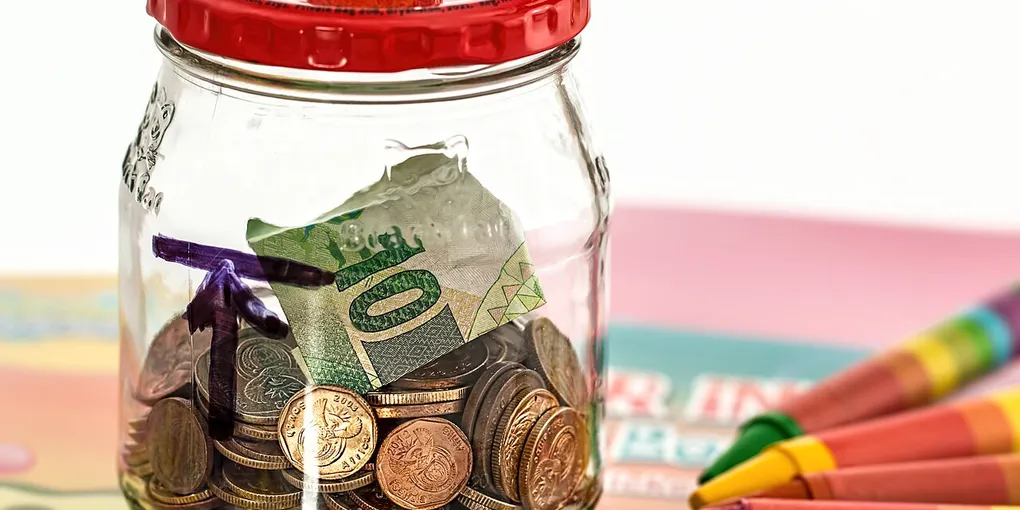
Hero image: stevepb, CC0, via Wikimedia Commons.
Take it with you
- Download the monthly emergency-fund plan
A printable worksheet for essential costs, targets, contributions, withdrawals and review dates.
Sources
Frequently Asked Questions
How much should I save for an emergency fund?
There is no universal balance. Start with a specific expense or buffer you can realistically reach, then reassess your essential monthly costs and income stability. Three to six months of living expenses is a common longer-term target, not a requirement to begin.
Where should I keep an emergency fund?
Use a safe, accessible place that is separate enough to reduce casual spending. Check access rules, fees, protection and interest with your own bank or credit union; do not choose an account solely because it advertises a high rate.
What counts as an emergency?
Write your own boundaries before you need the money. Common examples include an urgent repair, an unexpected medical bill or a loss of income. A planned holiday or routine bill is not an emergency simply because it is inconvenient.