How to Read a Nutrition Label: 10 Steps for Smarter Choices
Quick answer
Start with the serving size and servings per container, then adjust the calories and nutrients for the amount you will actually eat. Use % Daily Value as a quick comparison tool: 5% or less is low, 20% or more is high. For most everyday choices, compare sodium, saturated fat, added sugars, fiber and protein, then check the ingredients and allergen statement.
Editorial note: This is general information, not professional advice. Check the linked sources and current local guidance before acting.
A nutrition label is a decision tool, not a scorecard. It tells you what is in a defined amount of food; your job is to connect that amount to the portion you will actually eat and the goal you care about.
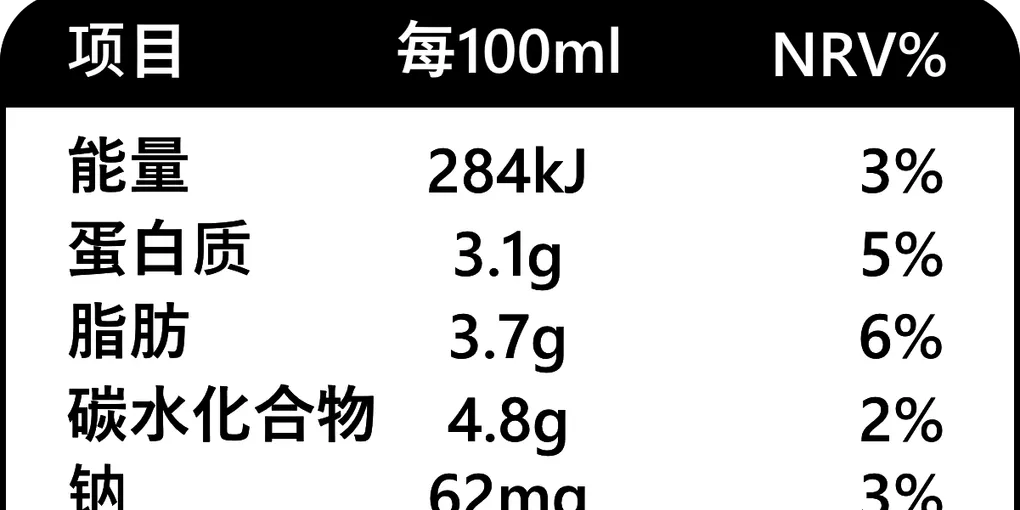
The Nutrition Facts format makes sense from top to bottom. Adjust the portion, then compare the lines that matter. These steps turn a crowded panel into a grocery-store habit.
1. Start with the serving size
The serving size is the first number on the panel because every number underneath it depends on that amount. It describes a standardised amount used for the label; it is not a recommendation for how much you should eat.
Check two lines together:
- Serving size: the quantity, weight or volume used for the facts below
- Servings per container: how many of those portions the package contains
A bag may look like one snack but contain two or three servings. If you eat two servings, multiply the calories, sodium, fat, carbohydrates and other listed amounts by two.
2. Adjust calories for your real portion
Calories are listed per serving, not automatically for the plate in front of you. If a cereal serving is 200 calories and you pour two servings, your bowl contains 400 calories before milk or toppings.
Use calories as information, not a verdict. A useful comparison is between similar foods in the same situation: two yogurts for breakfast, two sauces for dinner or two snacks for a hike. If you are working on gradual weight loss, the 10-step weight-loss guide explains why repeatable portions matter more than a dramatic restriction.
The footnote often uses 2,000 calories as a general reference for Daily Values. Your needs may be higher or lower, so do not treat that number as a personal prescription.
3. Use % Daily Value as a comparison shortcut
The % Daily Value (%DV) shows how much one serving contributes to a general daily reference amount. The FDA’s practical shortcut is:
- 5% DV or less: low
- 20% DV or more: high
That rule is most useful when comparing two products. A soup with 35% DV sodium per serving is a high-sodium choice relative to a soup with 15%, even before you decide whether either fits your day.
Remember that %DV is per serving. If you eat two servings, the percentage doubles too. It is a useful scale, not a diagnosis and not a guarantee that a food is good or bad.
4. Find the nutrients you want less of
For most everyday comparisons, look deliberately at sodium, saturated fat and added sugars. These are easy lines to miss when a package leads with a large “light” or “natural” claim.
A label can make the comparison concrete. Choose the product with less sodium when two similar foods otherwise fit your meal. If blood pressure is a concern, the guide to lowering blood pressure explains why packaged and restaurant foods deserve particular attention.
Do not confuse total sugars with added sugars. Total sugars include sugars naturally present in foods such as fruit or milk as well as added sugars. Added sugars are the sugars put into the product during processing, cooking or packaging. Both lines can matter, but they answer different questions.
5. Look for fiber and the whole carbohydrate line
“Carbohydrates” are not one single ingredient. The panel may list total carbohydrate, dietary fiber, total sugars and added sugars beneath it. Read the group together rather than reacting to one word.
Fiber is part of total carbohydrate but is handled differently by the body. When comparing bread, cereal, beans or snack bars, a higher-fiber option may be more filling and useful for your meal. Check the serving size first, though: a product can appear high in fiber only because its labelled serving is unusually large.
“Net carbs” may appear in marketing or on some specialised products, but it is not the same as the official total-carbohydrate line. If you track carbohydrates for a medical reason, use the method your clinician or dietitian gave you.
6. Treat protein as one clue, not the whole story
Protein is listed in grams per serving. It can help you compare similar foods, especially breakfast items, snacks or meat alternatives, but a large protein number does not automatically make a product a good choice.
Ask what comes with it. A high-protein bar may also contain a lot of added sugar or saturated fat; a bean dish may bring fiber as well as protein. Compare the complete panel and the ingredients rather than shopping by a single bold number.
If the label does not show a %DV for protein, use the grams and your own meal context. The Daily Value is a general reference, not a target that every person must reach from one package.
7. Read the ingredients from first to last
Ingredients are generally listed by weight, with the largest amount first. The first few entries tell you what the product is mostly made of; the rest can reveal sweeteners, oils, flavourings, colours or preservatives that a front label leaves out.
You do not need to recognise every chemical-sounding name to compare products. Look for a short list you understand, the main food you expected near the beginning, and ingredients that conflict with your goal or allergy. A “whole grain” claim deserves a glance at whether a whole-grain ingredient is actually near the start of the list.
The ingredients list is not a purity test. Some useful foods need stabilisers or preservatives, and a short list is not automatically more nutritious. Use it to answer specific questions, not to create a fear list.
8. Check allergens and dietary claims
If you have a food allergy, do not rely only on a “free from” badge or a product’s picture. Read the ingredient list and the required allergen declaration each time, because formulas and facilities can change. The FDA identifies nine major food allergens, including milk, eggs, fish, shellfish, tree nuts, peanuts, wheat, soy and sesame.
“Vegan,” “gluten-free,” “organic,” “natural” and “made with” answer different questions. A claim may be useful for one need while saying nothing about calories, sodium or added sugars. Let the full panel settle the nutrition question and the allergen statement settle the safety question.
9. Compare like with like
Product comparisons become unreliable when serving sizes differ. One granola may list 30 grams per serving while another lists 55 grams. Compare the same weight or the amount you realistically eat, not just the numbers printed in the largest type.
A quick supermarket method is:
- Put two similar packages side by side.
- Compare serving sizes and servings per container.
- Check calories, sodium, saturated fat, added sugars and fiber.
- Read the first several ingredients and the allergen statement.
- Consider price and taste only after the nutrition and safety fit is clear.
The grocery-saving guide covers unit prices; combine that skill with label reading so a larger package is not mistaken for a better deal or a better choice.
10. Make one calm decision and move on
You do not need to analyse every label forever. Choose the two or three lines that match your current goal, learn your usual products and make the check routine. For example:
- Lower sodium: serving size, sodium %DV and ingredients
- Less added sugar: serving size, added sugars and total carbohydrate
- More filling food: calories, fiber, protein and portion size
- Allergy safety: ingredient list, allergen declaration and current packaging
A food can fit your life without being perfect. The best choice is often the one you can afford, enjoy and eat in a sensible portion. A label gives you enough information to choose deliberately; it does not require guilt or a laboratory degree.
A three-minute label checklist
- Serving size checked against my actual portion
- Servings per container noted
- Calories adjusted for my portion
- Sodium, saturated fat or added sugar compared
- Fiber or protein considered in context
- Ingredients checked against the front-of-package claim
- Allergen statement checked if it matters to me
- Same serving amount used for the comparison
Nutrition labels are most useful when they answer a real question: which of these two foods better fits this meal, this budget and this person’s needs? Start with serving size, compare the important lines and leave the rest of the marketing in the background.
This is general nutrition information, not medical advice. If you manage diabetes, kidney disease, an eating disorder, a food allergy or another medical condition, ask a qualified healthcare professional how to interpret labels for you.
Hero image: Khu’hamgaba Kitap, CC BY-SA 4.0, via Wikimedia Commons.
Sources
Frequently Asked Questions
What is the 5/20 rule on a nutrition label?
The FDA's quick guide is to treat 5% Daily Value or less as low and 20% Daily Value or more as high per serving. It is a comparison shortcut, not a personal medical target, so use it alongside your overall diet and any advice from a healthcare professional.
How do I calculate calories for the whole package?
Multiply the calories per serving by the number of servings you eat. If a package has two servings and you eat it all, double the listed calories and every nutrient amount; the label does not automatically adjust for your portion.
Is a product healthy if it says low fat or natural?
Not necessarily. Front-of-package claims highlight one feature and may say little about sodium, added sugars, fiber, serving size or the rest of the ingredients. Read the full Nutrition Facts panel and ingredients list before deciding.
What should I look for first on a nutrition label?
Check serving size first, then calories, sodium, saturated fat, added sugars and fiber. Which line matters most depends on your goal: someone watching blood pressure may prioritise sodium, while someone managing energy intake may start with calories and portion size.