How to Get Rid of Mosquitoes: 10 Steps for a More Comfortable Yard
Quick answer
Start with standing water: empty, cover, or drain containers, gutters, trays, toys and pools, then repeat the check weekly and after heavy rain. Repair screens, wear covering clothing, use an EPA-registered repellent as labeled, and ask local mosquito-control professionals about persistent or widespread problems rather than fogging blindly.
Editorial note: This is general information, not professional advice. Check the linked sources and current local guidance before acting.
Mosquitoes are difficult to eliminate with one product because adults can fly in from nearby properties while new larvae develop in small pockets of water around your own home. The dependable order is to remove breeding places, keep mosquitoes outside, protect exposed skin, and use targeted control only when a habitat cannot be removed.
The U.S. Environmental Protection Agency’s mosquito-bite guidance recommends removing habitat, using structural barriers and choosing repellents carefully. The EPA describes that combination as part of integrated mosquito management rather than a promise that a single treatment will clear every yard. Use these ten steps to make your home less attractive to mosquitoes without treating every flying insect or surface with pesticide.
1. Walk the property and find the water
Start with a slow inspection of the yard, balcony, shed area and roof drainage. Look for any container or depression that can hold water:
- Buckets, watering cans, toys and wheelbarrows
- Plant saucers, vases and clogged gutters
- Tarps, pool covers, old tires and bins
- Bird baths, fountains and rain barrels
- Low spots, blocked drains and temporary puddles
Check after rain, but do not wait for a large pool. The EPA’s integrated mosquito-control guidance notes that mosquitoes can use containers and surprisingly small places to lay eggs. Take a phone photo of problem spots if you need to remember them or report a drainage issue.
2. Empty, cover or turn over containers
Tip out water that you do not need, then store the container upside down or under a roof. Seal rain barrels and other water-storage containers with a lid or fine mesh that prevents adult mosquitoes from reaching the water. Move toys, buckets and garden tools so they cannot collect rain again.
Do not simply empty a container and leave a thick film of organic material behind. Rinse or scrub it when practical, especially if it will collect water again. Keep children and pets away from any treatment product, and never use a chemical in a container unless its label permits that exact use.
3. Make the weekly water check routine
Put a recurring reminder on your calendar. The EPA says to empty and change water in bird baths, fountains, wading pools, rain barrels and potted-plant trays at least once a week. That gives you a repeatable household task instead of a vague instruction to “watch for mosquitoes.”
Change the water more deliberately than just topping it up. Empty the container, remove debris, rinse it when appropriate, and refill it only after the surrounding area is clean. If a family member handles this job, keep a short list of the containers so the easy-to-miss tray behind a pot does not become the only untreated habitat.
For container gardening, the guide to growing vegetables in pots covers drainage and avoiding waterlogged containers. Those same drainage habits also make mosquito checks easier.
4. Fix gutters, drains and low spots
A blocked gutter can create a hidden line of standing water above your head. Clear leaves and debris when it is safe to do so, and check that downspouts discharge water away from the foundation. Do not climb onto a roof or unstable ladder just to inspect a gutter; hire help for work beyond your safe reach.
For puddles that return in the same place, identify the cause before pouring anything into them. A damaged downspout, leaking outdoor tap, blocked drain or low patch may need repair or regrading. If the water is near a rented home, document it and report the recurring source to the landlord or property manager.
5. Keep pools and water features moving
Keep swimming-pool water treated and circulating according to the pool product and equipment instructions. Cover a pool when it is not in use, but check that the cover does not sag and collect rainwater. Empty inflatable or temporary pools rather than leaving them in the yard between uses.
For fountains and ponds, follow the equipment and water-feature instructions, remove debris and prevent stagnant pockets around edges. Do not improvise a treatment for ornamental water just because a neighbor used one. Water chemistry, animals, plants and local rules can change what is appropriate.
6. Use screens as a physical barrier
Inspect window and door screens for tears, loose edges and gaps. Repair the mesh, fit the frame tightly and keep doors closed instead of relying on an insecticide indoors. Check vents and other openings where a screen or seal is designed to keep insects out.
This matters even when the yard is under control: mosquitoes can enter through a door, damaged screen or gap and then bite indoors. The EPA recommends making screens “bug tight” and covering gaps around windows and doors. If you are already working through a home-maintenance list, the streak-free window-cleaning guide includes a safer way to reach and inspect accessible window areas without turning screen cleaning into a ladder risk.
7. Cover skin and choose repellent by the label
When mosquitoes are active, wear long sleeves, long pants and socks, and tuck clothing where practical to reduce exposed gaps. For exposed skin, choose an EPA-registered insect repellent and follow its label for application, reapplication and age limits. The CDC’s bug-bite guidance lists DEET, picaridin, IR3535, oil of lemon eucalyptus, para-menthane-diol and 2-undecanone as examples of active ingredients in EPA-registered repellents.
Use repellent after sunscreen if you need both. Do not spray it under clothing, into your eyes or mouth, or onto cuts and irritated skin. For a child, an adult should apply the product according to its label; CDC specifically says not to use oil of lemon eucalyptus or para-menthane-diol products on children under 3. Wash treated skin when the label says to do so, and keep the container away from children.
8. Protect sleeping, resting and camping areas
Use a mosquito net over a bed, cot, stroller or carrier when screens and air conditioning are unavailable or when you are sleeping outside. Tuck the net as its instructions direct and repair holes before relying on it. Do not let fabric rest against exposed skin if mosquitoes can bite through the mesh.
For a trip, pack repellent, covering clothing and a net before leaving rather than trying to buy everything after you arrive. The camping-trip planning guide includes insect repellent in its health and first-aid preparation list. If local officials issue a mosquito-borne-disease warning, reduce outdoor exposure and follow that local advice.
9. Use larval control only for water you cannot remove
If water must remain—such as a suitable rain barrel, drainage feature or ornamental pond—ask a local mosquito-control office or a knowledgeable retailer about a product registered for that habitat. The EPA explains that Bti is a biological larvicide applied to standing water to target mosquito larvae, not adult mosquitoes. Different products have different allowed uses, so follow the exact label.
Never treat drinking water, a pool, a fish pond or a natural waterway by guesswork. The EPA’s Bti information says some products are allowed in certain water settings while others are not intended for those uses. Source removal is preferable when it is practical; larval treatment is a targeted option for water that cannot be dumped, covered or drained.
Choose the control that fits the problem
Use this short decision aid before buying or applying anything. It separates habitat you can remove from water or exposure that needs a label, a local authority or professional help.
| What you find | First choice | Avoid assuming |
|---|---|---|
| Removable container, tray or toy holding water | Empty, scrub when practical, and store covered or upside down | A one-time emptying prevents the container from collecting rain again |
| Water that must remain in a barrel, drain feature or ornamental setting | Ask about a product registered for that exact habitat and follow its label | Bti or another larvicide is suitable for every type of water |
| Mosquitoes entering a room | Repair screens, close gaps and use a net where appropriate | An indoor aerosol solves an outdoor breeding source |
| Bites during outdoor activity | Cover skin and use an EPA-registered repellent exactly as labeled | More product or more frequent application is safer or more effective |
| Repeated activity after weekly checks, or a shared drainage source | Document locations and dates; contact the owner or local mosquito-control authority | Treating a neighbor’s, public or natural waterway yourself |
This table is a planning tool, not a substitute for the pesticide label or local public-health advice. Product registrations and mosquito risks vary by country and site.
10. Escalate a persistent or widespread problem
If mosquitoes remain numerous after several weekly inspections, look beyond your property: a blocked ditch, neglected lot, shared courtyard, construction site or neighbor’s container may be supplying them. Share specific locations and dates with the property owner or local mosquito-control authority instead of spraying randomly.
The EPA says integrated mosquito management uses monitoring, habitat reduction, barriers and—when justified—professional larval or adult control. Adulticide applications are a job for trained programs that can account for the mosquito type, weather, local conditions and pesticide label. Do not use a product on skin, clothing, plants, water or indoor surfaces unless the label explicitly allows it.
Mosquito control works best as a short weekly reset: remove water, check screens, protect skin and note what keeps returning. You may not stop every mosquito from entering the neighborhood, but removing the breeding places closest to your home and using targeted protection can make the yard and house substantially more comfortable.
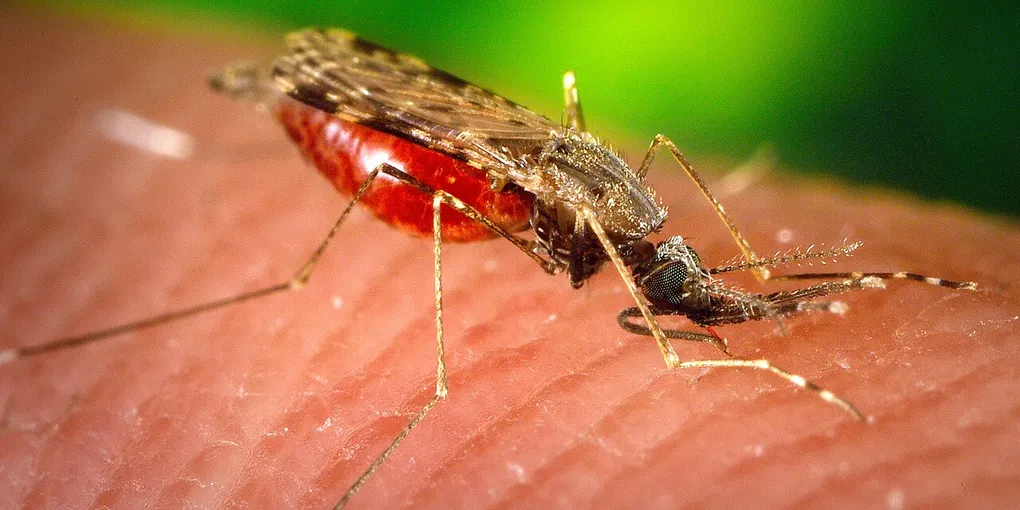
Hero image: Image: James Gathany, USCDCP, CC0, via Wikimedia Commons.
Sources
Frequently Asked Questions
What is the fastest way to get rid of mosquitoes in a yard?
Remove or empty every container that holds water, repair screens, cover exposed skin and use an EPA-registered repellent according to its label. A targeted approach works better than relying on one outdoor spray, and a widespread problem may need local mosquito-control advice.
How often should I remove standing water?
Inspect the yard at least weekly and again after heavy rain. Empty or change water in bird baths, fountains, wading pools, rain barrels and plant trays at least once a week, and drain temporary pools when possible.
Does Bti kill adult mosquitoes?
No. Bti is a biological larvicide used in standing water to target mosquito larvae before they become adults. Use only a product registered for the site and follow its label; do not assume every water treatment is suitable for drinking-water containers.
What repellent is best for mosquito bites?
Choose an EPA-registered product whose label fits your activity and follow the directions. CDC lists DEET, picaridin, IR3535, oil of lemon eucalyptus, para-menthane-diol and 2-undecanone among repellent active ingredients; do not use OLE or PMD products on children under 3.