Quick answer
Choose a campsite that matches your group's experience, confirm its current rules and weather, plan a backup, and test your shelter, sleep system, light, stove and water plan at home. Pack an extra margin of food, warmth and communication rather than relying on a phone signal.
A good camping trip is mostly decided before the tent comes out of its bag. The memorable parts—quiet trees, a hot drink, a walk before breakfast—depend on unglamorous preparation: choosing a site your group can handle, checking the rules, testing equipment and leaving room for weather or a late arrival.
This 10-step plan is for a first or early camping trip, whether you are staying at a serviced campground or carrying equipment a short distance from the car. Rules differ by country, park and land manager, so use the destination’s current official information as the final word. The National Park Service’s pre-trip safety guidance makes the same practical point: plan for the conditions you will actually face, not the trip you hope the forecast will provide.
1. Match the trip to the group
Decide what “camping” means for this trip. A one-night car-campsite stay with toilets and a short walk is a very different project from a multi-day hike into a remote backcountry site. For a first attempt, choose the version that leaves spare energy for learning.
Before choosing, check how far everyone can walk with a pack, whether anyone needs medication or vehicle access, and whether children or pets need shade and an easy route back. The National Park Service recommends matching activities to the group’s interests and physical abilities. A shorter route gives you time to learn.
2. Choose and reserve the actual site
Start with the official park, forest, campground or land-manager page rather than a social-media recommendation. Confirm whether you need a reservation, permit, parking pass or check-in time. Read the site description for vehicle limits, tent-pad size, toilets, accessibility, water, phone coverage, pets, quiet hours and food-storage rules.
Reservation systems vary. In the United States, Recreation.gov says many campsites open six months before arrival and popular sites can fill quickly; the individual facility’s window controls. Elsewhere, use the local authority’s system.
Save the confirmation offline. Write down the site number, gate code, ranger or host contact, cancellation terms and the nearest town with fuel or supplies.
3. Check weather, hazards and a cancellation trigger
Check the forecast when you book and again shortly before leaving. Look beyond the temperature: rain, wind, lightning, heat, wildfire smoke, flooding, cold overnight temperatures and trail closures can change whether a site is sensible.
Set a simple cancellation rule before you become emotionally committed to the weekend. For example: postpone if the access road closes, the fire authority bans the planned cooking method, a flood or lightning alert affects the site, or someone cannot safely take part. The NPS specifically advises having a backup plan and not pushing through when health, weather, environmental hazards or site conditions make the original plan unsafe.
Your backup can be another nearby campground, a day trip, a motel or going home. A paid reservation is cheaper than treating a dangerous forecast as a challenge.
4. Plan the route and arrive in daylight
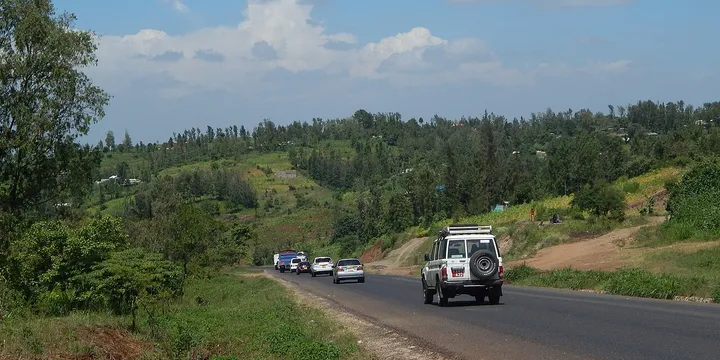
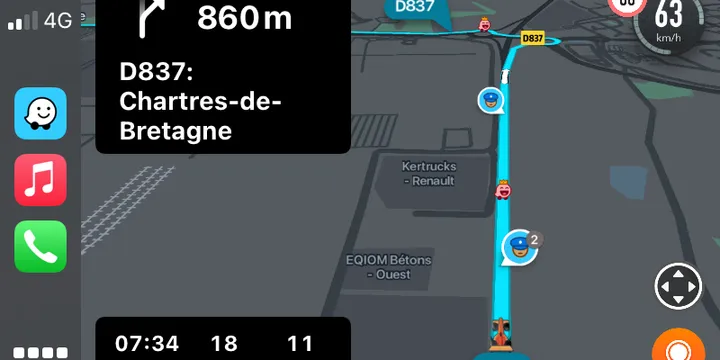
Download directions, a map and the campground information before you leave. The Google Maps guide covers saving the route and downloading an offline area, but keep the campground’s own directions and access rules too. Mark fuel stops, a last reliable place to buy water and the point where phone coverage may disappear. Tell one person who is not on the trip where you are going, when you expect to return and what they should do if you miss that check-in.
Give yourself more arrival time than a navigation app suggests. Finding the site, parking and pitching a tent take longer when nobody knows the layout. A headlamp helps after dark, but does not make an unfamiliar or closed site safe; if access is confusing, use your backup plan.
If your trip is a drive, the road-trip planning checklist covers fuel, rest stops and vehicle preparation that sits outside the campsite plan.
5. Build a safety-first packing list
Pack by function rather than by excitement. The NPS “Ten Essentials” guidance includes navigation, sun and insect protection, insulation, illumination, first aid, fire, repair tools, nutrition, hydration and emergency shelter. Adapt that list to your location and trip length.
Your core kit should cover:
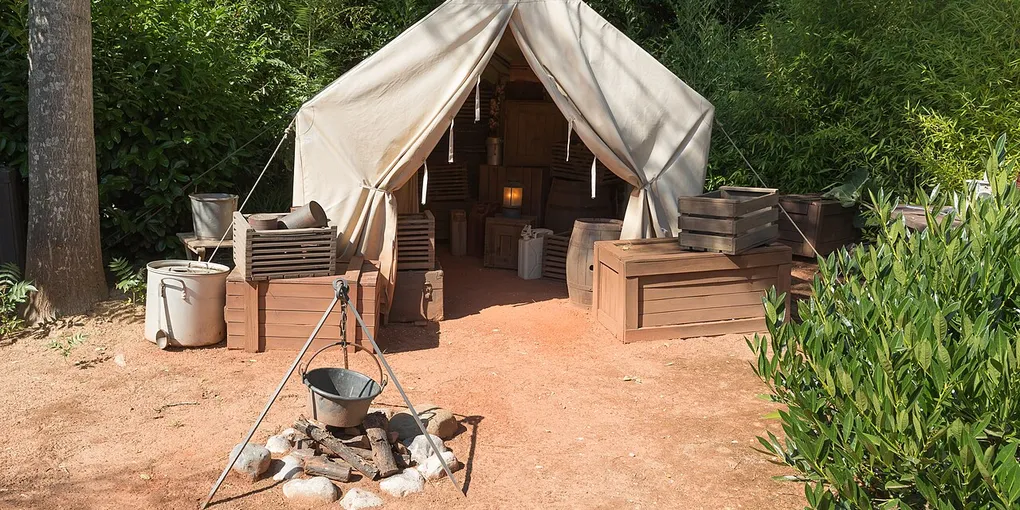
- Shelter: tent, poles, stakes, guylines, ground protection and a repair patch.
- Sleep and warmth: sleeping bag or blanket rated for the expected low, sleeping pad, dry layers and rain protection.
- Light and communication: headlamp with spare batteries, offline map, compass, charged phone and a way to contact help if the area has no signal.
- Water and health: enough water for the plan, a tested treatment method if needed, first-aid supplies, medication, sun protection and insect repellent. For a warm-weather trip, the mosquito-control guide adds a standing-water check and label-based bite-protection steps.
- Food and tools: simple meals, snacks, stove or approved fire kit, fuel, lighter or matches kept dry, knife or multitool and rubbish bags.
Bring one extra layer and more food than the exact itinerary requires. A phone is useful, but the NPS notes that you may be without signal or have a dead battery; do not make it your only emergency plan.
6. Test the equipment at home
Pitch the tent once before the trip, including the rainfly and guylines, and check that poles, stakes and the door work. Lie on the sleeping pad and make sure the sleep system is warm enough for the forecast, not merely a heated room.
Start the stove outdoors according to its instructions, cook the planned meal, check the headlamp and recharge the power bank. If you borrow equipment, test it before departure. Remove duplicate gadgets and keep items that solve a real problem.
7. Plan food and water separately
Write a small menu: meals, snacks and a delay meal. Choose food that is easy to prepare when tired. Dry ingredients save weight, but water is heavy; NPS guidance recommends planning packaging, cleanup and water before choosing meals. Pack out wrappers, peels and scraps.
Confirm whether taps are potable and seasonal. At a remote site, calculate water for drinking, cooking and activities, then carry or treat it with tested equipment. A nearby stream is not automatically safe drinking water.
Store food, rubbish, toiletries and scented items exactly as the local authority requires. In bear country, NPS cooking guidance says food should be in approved containers or storage systems and 100 yards from a tent; other locations may prescribe different distances or equipment. Follow the local rule rather than copying a generic camping hack.
For a small comfort that does not create a large cleanup job, the home coffee guide includes a low-mess camping option.
8. Set up camp in a safe order
After checking in, look at the site before unloading. Notice drainage, overhead branches, loose rocks, vehicle movement, wind direction, nearby water and the path to the toilet. Avoid placing a tent where water could collect or beneath damaged trees. The NPS tells campers to check with a ranger or host for alerts such as flash flooding, lightning, dead trees, rock falls and wildlife sightings.
Set up the sleeping area first, then light and water, then cooking. Keep shoes, a headlamp and warm layer within reach. Secure loose objects and agree where everyone should go if weather changes or someone needs help.
9. Cook, use fire and watch wildlife responsibly
A stove is often the simplest first-trip cooking tool. If you use a campfire, verify that fires are legal that day, use only the permitted ring or method, keep water or the required extinguishing equipment ready and never leave flames unattended. The Leave No Trace principle is concise: use a stove when you can, and keep fires small, contained and legal.
Keep food and cooking smells away from sleeping spaces as required by local rules. Never feed wildlife, approach it for a photograph or leave scraps behind. Secure pet food too. Wildlife learns from easy food, and a close encounter is a poor souvenir.
10. Leave the site better than you found it
Before leaving, walk the whole site slowly: under the table, around the fire ring, beside the car, under the tent and along the route to the toilet. Pack every wrapper, food scrap and piece of equipment. Scatter nothing, take no rocks or plants, and dismantle only what the land manager asks you to dismantle.
These habits follow the seven Leave No Trace principles: plan ahead, use durable surfaces, dispose of waste properly, leave what you find, minimise campfire impacts, respect wildlife and be considerate of other visitors. Keep noise low, respect quiet hours and let other campers enjoy the outdoors too.
Finally, note what worked while it is fresh: the warmest layer, missing utensil, unwanted meal and setup time. That debrief turns one trip into a system. The best plan keeps the group warm, fed, oriented and able to change course.
Hero image: Medium69 (William Crochot), CC BY-SA 4.0, via Wikimedia Commons.
Sources
Frequently Asked Questions
What should I do first when planning a camping trip?
Choose a destination and campsite that match your group's experience, then read the current official rules, weather outlook, access details, water information, fire restrictions and cancellation policy before buying extra gear.
How much food and water should I bring camping?
Plan every meal and bring a margin for delays, plus enough water for the route and activities unless you have confirmed a potable source. If water must be treated, bring and test the filter, purifier or other method before leaving.
How do I prepare for camping in bad weather?
Check the forecast and local alerts shortly before departure, pack insulation and rain protection, and decide in advance when you will postpone or leave. Do not continue with a plan that is no longer safe because a reservation or drive has already been paid for.
How can beginners make camping easier?
Start with a short car-camping trip near a road, arrive in daylight, test the tent and stove at home, cook a simple meal and keep a backup plan. A comfortable first trip is more useful than an ambitious route that leaves no margin.