Quick answer
Use freshly ground coffee, clean water just off the boil, and start with a 1:16 coffee-to-water ratio — 15 g of coffee to 240 g of water. Match the grind to the method, keep the brew time consistent, and change one variable at a time when the cup tastes sour or bitter.
Good coffee at home is less about buying another gadget than making the same few choices deliberately. Use coffee you enjoy, clean water, the right grind for the method, and a repeatable ratio. Once the process is stable, you can adjust strength and flavour without guessing.
The method below starts with a pour-over or filter machine, then adapts the same principles to a French press, moka pot, saucepan and camping mug. For a useful technical starting point, the Specialty Coffee Association’s coffee standards cover brewing variables including water, temperature and strength.
1. Choose beans you will actually drink
Coffee labelled light, medium or dark roast is not a quality ranking. It describes how the beans were roasted, and it changes the flavour you can expect:
- Light roast: often brighter and more fruit-forward, with more of the bean’s origin showing through.
- Medium roast: a balanced starting point for filter coffee and everyday mugs.
- Dark roast: deeper, toastier and sometimes more bitter, especially when brewed aggressively.
Buy a small bag instead of a large one you will leave open for months. Whole beans keep their aroma better than pre-ground coffee because grinding exposes much more surface area to air. Store coffee sealed, dry and away from heat; the refrigerator is not necessary and can add moisture and food smells.
2. Use clean water and the right amount
Coffee is mostly water, so strong chlorine smells or stale water can overwhelm good beans. Fresh, cold drinking water is usually enough. If your tap water tastes heavily mineralised or chlorinated, filtered water may make a bigger difference than an expensive brewer.
Start with a 1:16 ratio by weight: 15 grams of coffee to 240 grams of water for one large mug. A small digital scale makes this repeatable, but measuring spoons are fine while you learn. The beans vary in density, so “one scoop” is not a reliable measurement.
Make the cup stronger by using more coffee, not by letting the same grounds sit in hot water for much longer. Strength and extraction are different variables, and stretching the brew often creates bitterness.
3. Match the grind to the method
The grinder matters because particles that are too fine extract quickly while coarse particles extract slowly. Use the method as your starting point:
| Method | Starting grind | Typical brew time |
|---|---|---|
| Pour-over or filter machine | Medium | 3–5 minutes |
| French press | Coarse | About 4 minutes |
| Moka pot | Medium-fine | 4–6 minutes |
| Espresso | Fine | About 25–30 seconds |
A burr grinder produces more even particles than a blade grinder, but do not let equipment stop you from making coffee. If you only have a blade grinder, pulse briefly and shake the grinder between pulses so the bottom does not turn to powder while the rest stays coarse.
Grind immediately before brewing when possible. You do not need to chase a perfect setting; you need a setting you can repeat and adjust.
4. Heat the water without boiling the flavour away
Aim for roughly 195–205°F (90–96°C). If you do not have a temperature-controlled kettle, bring the water to a boil and let it stand for around 30–60 seconds. The exact pause depends on the kettle, the room and how much water it holds, so treat this as a starting point rather than a magic timer.
Water that is too cool can make the cup taste thin, sharp or sour. Water that is very hot can extract harsh flavours, especially when paired with a fine grind and a long brew. Keep the temperature reasonably consistent before changing anything else.
5. Brew a simple filter coffee
For a pour-over cone or filter machine, use this repeatable sequence:
- Put the paper filter in place and rinse it with hot water if your setup allows. Discard the rinse water.
- Add 15 grams of medium-ground coffee and level the bed.
- Pour about 30–40 grams of water over the grounds and wait 30–45 seconds. This “bloom” lets trapped gas escape.
- Pour the remaining water slowly in small circles, keeping the grounds wet without washing coffee up the sides of the filter.
- Let the water drain, then taste the coffee once it has cooled enough to drink.
If the result tastes sour and thin, grind a little finer or extend the brew slightly. If it tastes dry and bitter, grind a little coarser or shorten the brew. Change one variable at a time and write down what you did; memory is a poor brewing log.
6. Make a French press without fuss
Use coarse-ground coffee at the same 1:16 ratio. Add the coffee to the empty press, pour in the hot water, stir once so every ground is wet, and put the lid on without plunging. After about four minutes, break the crust gently and plunge slowly.
Pour the coffee into a mug immediately instead of leaving it on top of the grounds. A French press continues extracting while it sits, which is why the second mug can taste much harsher than the first. A little sediment is normal; a clean, slow pour leaves most of it behind.
7. Use a moka pot safely
A moka pot makes concentrated coffee, not espresso, but it is excellent with milk or hot water. Fill the lower chamber with water to just below the safety valve. Fill the basket with medium-fine coffee and level it without tamping. Screw the pot together firmly, then heat it on low to medium heat with the lid open if you can safely monitor it.
When the coffee begins flowing into the upper chamber, listen for the change from a steady stream to a pale, sputtering rush. Remove the pot from the heat before the violent sputtering stage, cool the base briefly with a damp cloth if needed, and serve. The handle and metal body are hot; use the handle and keep the pot away from children.
8. Make coffee without a machine
You can make a good cup with a saucepan and a sieve:
- Heat 240 grams of water until just boiling, then remove it from the heat.
- Stir in 15 grams of medium-ground coffee.
- Wait four minutes without continuing to boil the grounds.
- Pour slowly through a fine sieve lined with a clean paper filter, or let the grounds settle and pour carefully.
The result will have more sediment than filter coffee, but the flavour can still be balanced. For the fastest option, instant coffee is not a failure: use the amount recommended on the jar, add hot water, stir completely and adjust with more water or milk.
For camping, instant coffee is the lowest-mess choice. A compact pour-over also works if you can heat clean water and pack the used grounds out. Do not brew directly in a thin plastic container that is not designed for hot liquids.
9. Fix the cup before adding sugar
Taste the coffee black first, then diagnose it:
- Sour, sharp or thin: use a slightly finer grind, hotter water, a longer brew or a little more coffee.
- Bitter, dry or astringent: use a coarser grind, cooler water, a shorter brew or a little less coffee.
- Weak but not sour: keep the brew time and grind stable, then use more coffee or less water.
- Strong but balanced: dilute with hot water rather than re-brewing the grounds.
- Flat or stale: try fresher beans, clean the grinder and brewer, and check whether the water has an off taste.
If coffee tastes too sharp for you, a darker roast, a paper filter, milk or a small pinch of salt may make it feel rounder. “Less acidic” does not mean “safe to ignore discomfort”: persistent reflux or other symptoms are a health question, not a brewing problem.
Milk, a homemade creamer or sugar is a preference, not a repair for every bad extraction. Add it after brewing so you can learn what the coffee itself is doing. Also remember that caffeine affects people differently. The FDA’s caffeine guidance cites 400 milligrams per day as an amount not generally associated with negative effects for most adults, but cup strength varies and some people need much less.
Rinse the brewer after each use, wash the carafe and filter basket regularly, and clean the grinder when old oils build up. The best home coffee routine is the one you can repeat: weigh roughly, brew consistently, taste patiently, and change only one thing at a time.
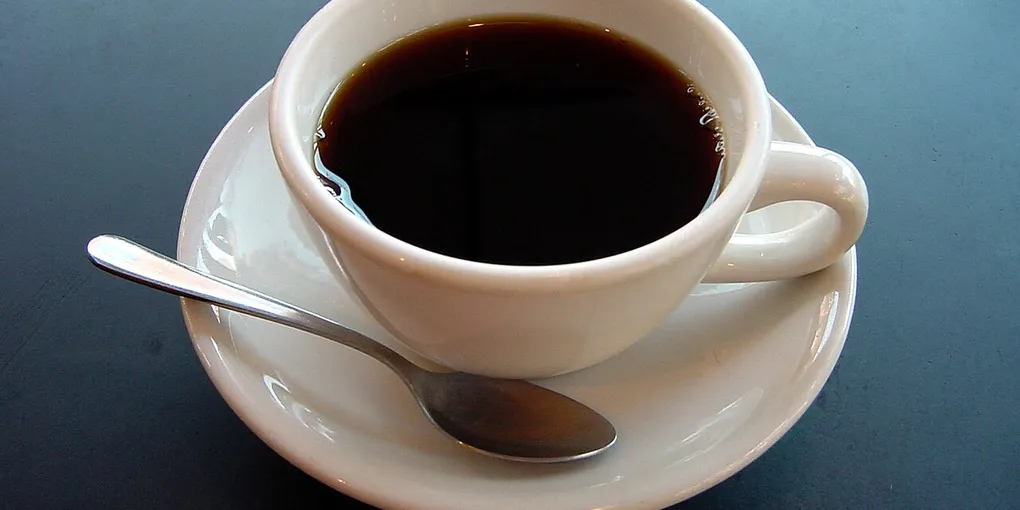
Hero image: Julius Schorzman, CC BY-SA 2.0, via Wikimedia Commons.
Frequently Asked Questions
What is the best coffee-to-water ratio?
Start with 1 gram of coffee for every 16 grams of water: 15 g of coffee to 240 g of water makes one generous mug. Use more coffee for a stronger cup or more water for a lighter one, but change one thing at a time so you can tell what improved.
How hot should water be for coffee?
Use water around 195–205°F (90–96°C), or let a kettle sit for roughly 30–60 seconds after boiling. Water that is too cool can leave coffee thin and sour; water that is too hot or a brew that runs too long can taste harsh.
How do you make coffee without a coffee maker?
Simmer water, remove it from the heat, stir in medium-ground coffee, wait about four minutes, then pour slowly through a fine sieve or clean paper filter into a mug. Instant coffee is the simplest no-equipment option: dissolve it in hot water and adjust to taste.
Why does my coffee taste bitter?
Bitter coffee is often over-extracted: the grind may be too fine, the brew may run too long, or the water may be too hot. Try a slightly coarser grind, a shorter brew, or a little more water before adding sugar or milk.