Quick answer
Grow vegetables in pots by choosing containers with drainage holes (5 gallons or larger for tomatoes and peppers), filling them with potting mix — never garden soil — and placing them where they get at least 6 hours of sun. Water whenever the top 2–3 cm is dry, feed weekly with a diluted liquid fertilizer, and start with easy crops: lettuce, radishes, herbs, tomatoes and peppers.
You do not need a garden to grow your own vegetables. A balcony, a patio or a sunny stairwell is enough — pots do the work.
Container gardening has three honest advantages: you control the soil (no weeds, no poor ground), you control the water (drainage! no puddles), and you can move the whole garden if the sun moves. The only real requirement is light.
This guide covers the nine things that actually decide success in pots: containers, crops, soil, sun, watering, feeding, planting, pests and harvest. If you are still choosing between containers and an in-ground plot, start with the first-time vegetable garden guide before buying supplies.
1. Buy the right pots first
Container size drives everything — bigger pots hold more water, so your plants do not dry out between waterings.
| Crop | Minimum pot size |
|---|---|
| Lettuce, radishes, herbs | 1–2 gallons (4–8 liters) |
| Peppers, eggplant, beans | 3–5 gallons (11–19 liters) |
| Tomatoes, cucumbers, squash | 5–10 gallons (19–38 liters) |
Three non-negotiables for every pot:
- Drainage holes. If a pot has no holes, drill them. Standing water kills roots faster than drought.
- Light color for hot climates, dark is fine elsewhere. Black pots in full sun bake roots.
- A saucer or pot feet if it sits on a balcony — water will run out, and your neighbors’ terrace will notice.
Fabric grow bags are an excellent budget option: they are cheap, fold flat, and their sides breathe, which prevents the soil from staying soggy.
2. Start with these five crops
Some vegetables are hard to grow in pots. These are not. A complete beginner can succeed with all five in the first summer:
- Lettuce and other leafy greens — fast, forgiving, shade-tolerant. Harvest as early as 30 days.
- Radishes — the fastest vegetable there is: 25–30 days from seed to harvest. Almost impossible to ruin.
- Herbs (basil, parsley, mint, chives) — small pots, continuous harvest, and they make every other meal better. Grow mint in its own pot; it takes over.
- Cherry tomatoes — several weeks earlier than big tomatoes, and they produce a constant stream of fruit.
- Peppers and chilies — compact, attractive, and one plant gives more than you expect.
Each of these is well documented in any seed catalog or nursery, and all fit in pots under 5 gallons. Skip root vegetables (carrots, potatoes) and big cucurbits until you know what you are doing.
3. Use real potting mix — never garden soil
This is the most common beginner mistake. Garden soil compacts in a pot, drains badly and carries weeds and diseases. What you want is a potting mix (also sold as container mix or soilless mix): a light, airy blend of peat or coir, compost and perlite. If you make your own compost, the home composting guide explains how to finish and use it without treating it as a complete replacement for potting mix.
A few cheap extras help:
- Slow-release fertilizer pellets mixed in at planting time — three months of feeding in one step.
- Peat-free coir options where available — identical performance, gentler on the planet.
- A 2–3 cm layer of mulch (wood chips or straw) on top — slows evaporation, keeps the surface from crusting.
4. Find the sun — six hours minimum
Most vegetables need at least 6 hours of direct sun per day; 8 hours is better. Fruiting crops (tomatoes, peppers, cucumbers) need the most. Leafy greens tolerate shade, but they still want a few hours of sun or they become thin and bitter.
Balcony tips: observe your spot for two days and note where the sun actually lands — it moves. If you only have 3–4 hours of sun, grow lettuce, spinach and herbs. If you see a truly dark corner, no pot will fix that.
5. Water deeply, not often
Pots dry out much faster than a garden bed. In mid-summer, a 5-gallon pot can go from wet to dry in a day.
- Check daily with a finger: if the top 2–3 cm is dry, water.
- Water slowly until water runs out of the bottom. A dry pot sheds water off the surface, so wet it twice, ten minutes apart, if it seems to resist.
- Morning is the best time, but any consistent time works.
- Never let pots stand in a saucer of water for hours.
If your schedule makes daily watering impossible, the fix is a bigger pot, not more willpower.
A 10-minute setup check before you plant
Use this quick check to catch the expensive mistakes before a seedling is in trouble:
- Test drainage. Pour a jug of water into the empty pot. It should start leaving through the bottom holes promptly. If it pools, add or enlarge drainage holes; do not try to solve a blocked pot with a layer of gravel. University of Illinois Extension explains that free drainage keeps air available to roots and that stagnant water encourages root rot.
- Check the mix. Squeeze a handful of potting mix. It should hold together briefly, then crumble when nudged. Replace garden soil, which compacts in containers and restricts both air and drainage. The University of Illinois container-growing guide also recommends filling with potting mix and watering until it drips from the bottom.
- Match the pot to the crop. Put a label beside the pot before sowing: crop, variety, sowing date and expected mature size. If the plant will outgrow the container, choose a larger pot now or plan one transplant before the roots circle the edge.
- Run a dry-down test. Water the filled pot, weigh it in your hands, and check the mix again the next morning. If the surface is already dusty and the pot feels light, move it out of wind or use a larger container. If it is still saturated, improve drainage before planting.
- Make a care promise. Put watering and feeding on the same calendar you already check. Containers give you control, but they also remove the plant’s ability to search for water and nutrients in the ground.
This takes ten minutes and turns vague advice like “water regularly” into a repeatable decision: drainage first, pot size second, then water only when the mix has begun to dry.
6. Feed little and often
Potting mixes contain few nutrients, and watering flushes them out. Two patterns work:
- Slow-release pellets at planting (the lazy option — fine for a first season), or
- Diluted liquid fertilizer every 1–2 weeks — half the dose printed on the bottle, applied to wet soil.
Watch for the two classic signs: yellow lower leaves (nitrogen shortage) and lots of leaves with no fruit (too much nitrogen, not enough phosphorus). Adjust accordingly.
7. Sow the next crop before the last one finishes
This is the trick that turns a single harvest into a whole season. Lettuce, radishes, herbs and spinach are ready in 30–60 days, so plant a small bunch of seeds every two weeks (succession sowing) from mid-spring to late summer. One pot can give you four or five cycles a year.
For one-cycle plants (tomatoes, peppers), replacing the pot after harvest with something fast — lettuce, radishes — extends the season instead of leaving empty pots.
8. Do a five-minute pest check each week
The most common container problems are minor, and early detection solves them all:
- Aphids — clusters on the young shoots of peppers, tomatoes and herbs. Wash off with a hard jet of water or wipe with soapy water.
- Whiteflies — tiny white specks that fly up when you shake the plant.
- Mildew — powdery white coating on leaves, mostly in humid weather. Prune the affected leaves, and space your pots so air moves between them.
- Overwatering — drooping leaves, soil that never dries. This is the most common killer of potted vegetables, not any pest.
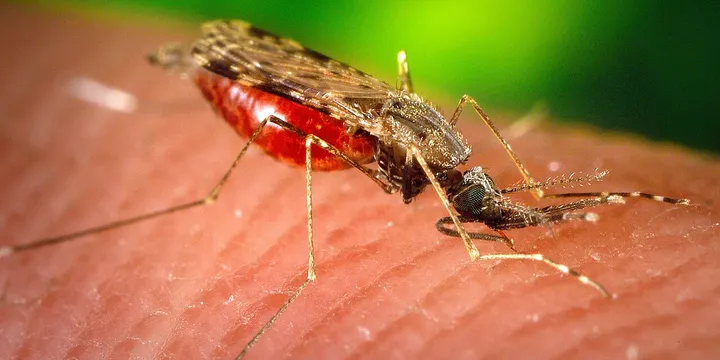
One weekly five-minute look at the top of each plant prevents 90% of the damage. Never leave pots standing in water. For the wider yard check, the mosquito-control guide explains how to remove small standing-water sources that can support larvae.
9. Harvest often — it keeps production going
Pick lettuce leaf by leaf rather than cutting the whole head — the plant keeps growing. Snip basil from the top of a stem, just above a pair of leaves. Pick beans and cucumbers while they are young and firm. And if a tomato starts attracting birds and squirrels, you are not alone — pick them just as they turn color and let them finish ripening on the counter.
The other side of harvest skills is eating the result: use your weekly meal plan as an excuse to build meals around what you have picked (see our weekly meal planning guide). Nothing beats a salad that grew two meters from the kitchen.
Quick-win checklist
- One pot with drainage holes, 5 gallons or bigger
- Bag of potting mix (not garden soil)
- One packet of radish seeds and one of lettuce
- Spot with 6+ hours of sun
- A saucer to catch runoff
Start with radishes and lettuce this month. Every 2–3 weeks, add one more pot. By the middle of summer you will have a small harvest rotation that costs less than one bag of salad per month — and tastes like the thing the supermarket version only pretends to be. The same “start small, build a habit” logic that works for a garden also works for everything else — whether it is morning light and good sleep (see our sleep guide) or simply getting started at all (see how to stop procrastinating).
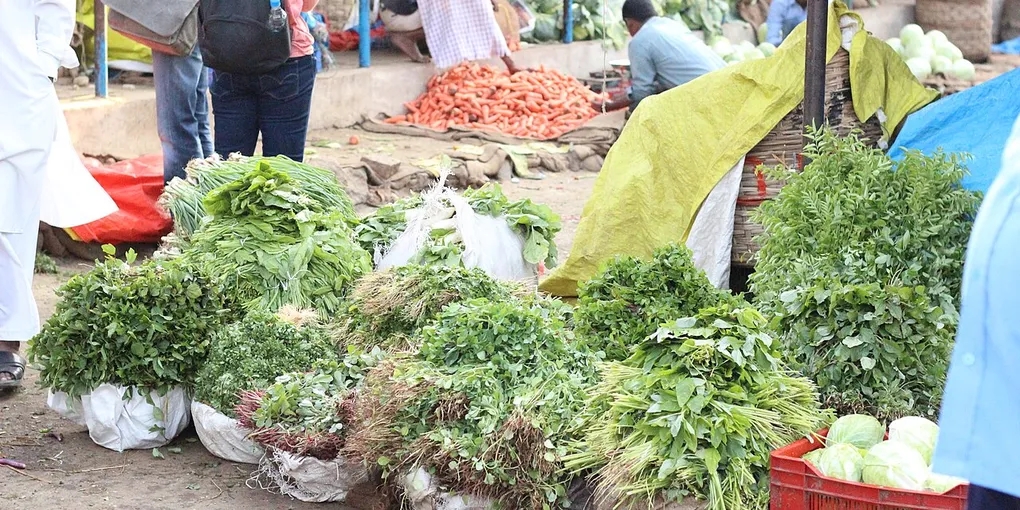
Hero image: Malyadri, CC BY-SA 3.0, via Wikimedia Commons.
Frequently Asked Questions
What is the easiest vegetable to grow in a pot?
Leafy greens like lettuce and spinach, plus radishes and most herbs, are the easiest. They germinate fast, grow in small pots and need only regular watering. Cherry tomatoes are also beginner-friendly in a 5-gallon pot — they are tougher than they look and keep producing all summer.
How big does a pot need to be for vegetables?
As a rule: 5 gallons (about 19 liters) for one tomato, pepper or eggplant; 1–2 gallons for lettuce, herbs and radishes; and at least 10 gallons for squash or cucumbers. Bigger is almost always better — a larger pot holds more water, so plants in it suffer less between waterings.
Can you grow vegetables in pots without a garden?
Yes — a balcony, patio or even a sunny windowsill works. The key is light: most vegetables need at least 6 hours of direct sun a day. South-facing balconies are ideal. If you only have shade, grow leafy greens and herbs, which tolerate less sun than fruiting crops like tomatoes and peppers.
How often should you water vegetables in pots?
Check daily: push a finger 2–3 cm into the soil, and water when it feels dry. In hot weather that often means every day, sometimes twice. Water slowly until it runs out of the drainage holes, and never let pots sit in standing water — the roots will rot.