Quick answer
Weight management is individual. Start with a sustainable eating pattern, regular activity you can do safely, enough sleep and a simple way to observe trends. The CDC says gradual loss of about 1–2 pounds per week is more likely to stay off than faster loss, but it is not a target everyone should pursue. Medical conditions, medicines, age, pregnancy, eating-disorder history and other factors change the right plan.
Editorial note: This is general information, not professional advice. Check the linked sources and current local guidance before acting.
Weight management is not a single calculation. Food, activity, sleep, stress, medicines, medical conditions, environment and access all matter. This guide turns the broad CDC/NIDDK principles into a small set of choices to test and observe, without pretending that one calorie target or rate fits every body.
The honest headline: a plan you can maintain beats a plan that works fast. The CDC reports that gradual, steady loss is more likely to stay off than faster loss, while NIDDK emphasizes a sustainable eating pattern and activity plan. That does not make a weekly number mandatory or make self-directed dieting appropriate for everyone.
1. Set a sustainable direction, not a universal deficit
Energy needs vary with body size, age, sex, activity, health and medicines. A fixed internet formula can create false precision and may be inappropriate for someone with a medical condition or eating-disorder history.
- Choose one measurable change, such as replacing a sugary drink, adding vegetables to a meal or planning snacks.
- Observe hunger, energy, activity and weight trend for a few weeks before deciding whether the change is sustainable.
- If you need a calorie target, use a clinician, registered dietitian or a reputable individualized tool; do not treat a fixed minimum as medical advice.
2. Protein at every meal
Include protein foods as part of a varied eating pattern: eggs, fish, poultry, beans, lentils, tofu, nuts, seeds, yogurt or other options that suit your diet. Avoid turning an internet gram-per-kilogram target into a prescription; kidney disease, pregnancy, age and other conditions can change what is appropriate.
A simple rule: a palm-sized portion of protein (eggs, chicken, fish, Greek yogurt, beans, tofu) at two to three meals a day gets most adults where they need to go.
3. Half the plate: vegetables first
The cheapest trick in weight loss is volume. Vegetables are low-calorie but heavy, so they fill the plate and your stomach while barely touching the budget. Aim for half the plate vegetables, a quarter protein, a quarter everything else — and eat the vegetables (and protein) before the rest.
Build meals around foods you can afford and continue eating: vegetables, fruit, whole grains, protein foods and appropriate dairy or alternatives. The grocery savings guide and meal-planning guide can help with planning without prescribing a single plate ratio.
4. Kill the liquid calories
A sugary drink can add energy without being very filling, but needs differ by drink and serving size. Read the label and decide whether replacing one drink with water or another unsweetened option is realistic for you.
- Swap to water, sparkling water, tea and black coffee. Diet soda is fine to keep as a bridge.
- If you drink alcohol, include it in the wider health and eating conversation rather than assuming a fixed calorie estimate answers the question.
5. Walk 30 minutes a day
You do not need to run. Walking and other moderate activities can support health and weight management, and NIDDK points to activity that is safe and sustainable rather than one universal exercise dose.
- The famous “10,000 steps” was a marketing number from a 1960s Japanese pedometer company — not a scientific threshold. Any steady increase counts.
- Short walks can be a practical way to add movement if they are safe and comfortable.
- If you want to progress to running, there’s a safe ramp-up guide for that too.
6. Lift weights twice a week
Strength training can support muscle and function during weight change. NIDDK summarizes a general adult guideline of muscle-strengthening activity on two or more days per week, but the right exercises and load depend on ability, injury and health.
You don’t need a gym: push-ups, squats, rows and lunges at home count. The goal isn’t to look like anything — it’s to make sure the weight coming off is the weight you actually want to lose.
7. Sleep 7-9 hours
Sleep is one part of a healthy weight-supporting routine. The NIDDK notes that adults ages 18–64 generally need 7–9 hours, while individual needs and medical circumstances vary.
Aim for a consistent sleep routine and address persistent sleep problems with a clinician. The sleep guide covers practical sleep habits.
8. Cut alcohol — or count it as food
Alcohol can affect health, sleep and food choices, and serving sizes vary. If it is part of your routine, compare alcohol-free nights and notice how they affect sleep, appetite and goals.
- If you drink daily or find it hard to cut down, discuss it with a health professional rather than relying on a rigid challenge.
- Swap to alcohol-free versions where possible; the habit survives the calories.
9. Track for two weeks — then weigh weekly, not daily
Food logging can reveal patterns, but it is not suitable for everyone. Use a simple two-week observation only if it feels neutral and safe; a plate, hunger, activity or meal-pattern log may be better than calories.
If weighing is comfortable, use consistent conditions and review a trend rather than a single reading. Salt, fluid, digestion, menstrual cycles and activity can move scale weight; stop tracking if it worsens anxiety or disordered-eating behavior.
10. Expect plateaus — and plan the maintenance
If the scale or measurements plateau, review the whole pattern without assuming failure: food, activity, sleep, stress, medicines and health can all affect progress. Avoid automatically cutting another fixed number of calories; ask for help when a plateau persists or the plan becomes restrictive.
And know what comes after: the weight you lost was lost in the first phase — keeping it off is the real test, and long-term studies show most dieters regain. The fix is simple to say and hard to do: you don’t finish the plan, you graduate into the same life, slightly adjusted. The habits above are the maintenance plan.
What not to do
- Detox teas and fat burners. No credible evidence, no mechanism, and the “results” are water loss.
- Starving yourself. Highly restrictive diets can be unsafe or hard to sustain; do not use a fixed calorie minimum without individualized professional guidance.
- Spot reduction. There is no way to target belly or thigh fat; the deficit decides where fat leaves, and your genetics decide the order (doing 500 crunches won’t change it).
- Weighing daily — see step 9, it’s just noise.
Swaps that pay for themselves
| Instead of | Swap to | Saves |
|---|---|---|
| Habit to review | Lower-friction experiment | What to observe |
| Soda or sweet drink | Water, sparkling water or an unsweetened option once a day | Hunger, enjoyment and consistency |
| Unplanned snack | Put a planned snack where it is easy to choose | Whether it prevents grazing |
| Few vegetables or whole foods | Add one affordable option to a familiar meal | Fullness and meal satisfaction |
| Alcohol near bedtime | Compare an alcohol-free evening | Sleep, appetite and next-day activity |
| Irregular meals | Plan the next meal before hunger is urgent | Whether the routine is realistic |
Quick-win checklist
- Protein at breakfast (eggs, yogurt, or both)
- Choose one food change you can repeat.
- Add safe movement that you enjoy.
- Include varied, filling foods.
- Protect a regular sleep opportunity.
- Track a trend only if monitoring feels neutral.
When to talk to a doctor first
Talk with a health professional before making a major change if you have diabetes, kidney disease, another chronic condition, take medication affected by food or weight change, are pregnant or breastfeeding, are under 18, or have a current or past eating disorder. Never stop or change medication to lose weight. A registered dietitian or clinician can help set a safe goal and adapt activity and food choices.
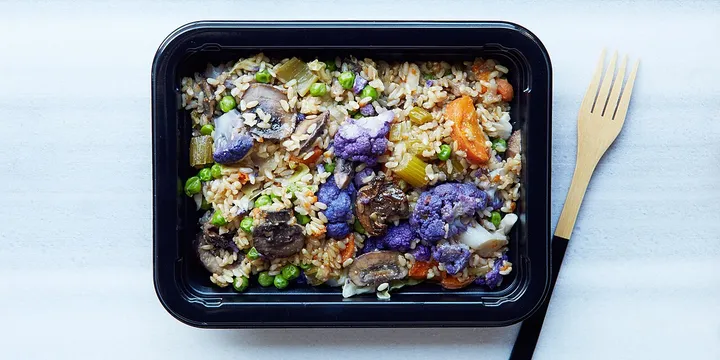
Hero image: www.Pixel.la Free Stock Photos, CC0, via Wikimedia Commons.
Sources
Frequently Asked Questions
How much weight can I lose per week, safely?
The CDC says people who lose about 1–2 pounds (0.5–1 kg) per week are more likely to keep weight off than people who lose faster, but that is a population-level comparison, not a personal prescription. A clinician can help set an appropriate goal, especially with medical conditions, medicines, pregnancy, adolescence or an eating-disorder history.
Can I lose weight without exercise?
Food and beverage choices can affect energy balance, and physical activity supports health and can help with weight maintenance. You do not need to use a calorie-burn estimate to justify movement. Choose activity you can do safely; people with chronic conditions or disabilities should ask a health professional about suitable options.
How do I lose weight fast?
Avoid treating speed as the main goal. The CDC favors gradual, steady loss for people who are trying to keep it off, while the right calorie and activity plan depends on the person. Very restrictive diets can be unsafe or counterproductive; ask a clinician or registered dietitian for individualized guidance rather than using a fixed minimum from the internet.
Why did my weight stop dropping even though I'm still eating well?
Weight can fluctuate because of fluid, digestion, activity and other factors, and the body’s energy needs can change during weight loss. Review your trend, portions, activity and sleep without making a drastic change. If progress, symptoms or eating behavior are concerning, ask a health professional for help instead of cutting food further.