Quick answer
Start by collecting accurate, repeated readings rather than trying to lower one number instantly. Use an appropriately sized upper-arm cuff, make one or two realistic lifestyle changes, and share the log with a clinician; never stop prescribed medicine yourself. A reading higher than 180/120 mm Hg with symptoms such as chest pain, shortness of breath, weakness, vision change or difficulty speaking is an emergency.
Editorial note: This is general information, not professional advice. Check the linked sources and current local guidance before acting.
High blood pressure often has no warning symptoms. The useful question is not “How do I make one reading fall right now?” It is “How do I collect trustworthy readings and make a safe plan with a clinician?” This guide is general adult information. It does not diagnose hypertension, set a personal treatment target, or replace care during pregnancy, a medical condition or an acute event.
First, check for an emergency
If a reading is higher than 180/120 mm Hg, wait at least one minute and measure again. If it remains that high, contact a health professional immediately. If the high reading comes with chest pain, shortness of breath, back pain, numbness, weakness, vision change or difficulty speaking, call emergency services rather than trying diet, breathing exercises or an extra medication dose. This follows the American Heart Association’s home-monitoring guidance.
Do not stop or change prescribed blood-pressure medicine because of a single home reading. The 2025 AHA guideline summary describes treatment decisions in terms of average readings, cardiovascular risk and health conditions; it is not a self-treatment rule.
1. Measure right before you treat anything
Your first job is not to lower blood pressure — it is to collect readings that a clinician can interpret.
Do it like this, every time:
- Sit for five minutes first, feet flat, back supported.
- Put the cuff on a bare arm at heart level, resting on a table.
- Don’t measure right after coffee, exercise or smoking (wait 30 minutes).
- Take two readings, one minute apart, and write down both.
- Measure morning and evening for a week, then average.
Blood pressure changes with context, which is why a repeated log is more useful than reacting to a single result. The CDC measurement guidance explains the preparation and positioning checklist.
2. Make sodium reduction measurable
The AHA guideline summary recommends reducing sodium as part of a heart-healthy approach. A practical first step is to look at packaged foods and restaurant meals, where serving size and preparation can make sodium difficult to estimate.
The practical version:
- Check labels: 20% or more of the daily value per serving is a lot — put it back.
- Cook more meals at home, even simple ones.
- Trade salty snacks, soups, sauces and cured meats for the versions with less sodium.
- Keep the package or menu information for the meals you want to repeat, so the change is measurable rather than a vague “eat less salt” goal.
3. Eat the DASH way
DASH — Dietary Approaches to Stop Hypertension — is the eating pattern with the strongest evidence behind it, and it is not a radical diet. It means: lots of fruit and vegetables, whole grains, low-fat dairy, lean protein, beans and nuts; little red meat, sweets and sugary drinks.
The NHLBI summary of DASH research reports that DASH plus reduced sodium produced larger blood-pressure reductions than either approach alone in the DASH-Sodium research. Those study results are population findings, not a promise about an individual’s response.
4. Move 150 minutes a week
The AHA guideline summary recommends moderate physical activity as part of blood-pressure prevention and treatment. Start below the level that causes pain, dizziness or unusual breathlessness and increase gradually if it is comfortable and your clinician has not advised restrictions.
The people who keep it do not start with a training plan; they start with a walk after dinner. If you want a structure, an 8-week running plan is a calm, gradual way to build from walking to running, with rest days built in.
5. Lose weight the boring way
The AHA guideline summary includes achieving a healthy weight as a recommended lifestyle measure. Avoid turning that into a guaranteed number or crash target. If weight change is part of your plan, choose a sustainable food or activity change and ask a clinician to account for medicines and health conditions.
6. Put the alcohol down — honestly
Alcohol raises blood pressure in a dose-dependent way: the more you drink, the higher it goes. Cutting back measurably lowers it, and there is no health benefit to drinking.
If you drink heavily every day, do not abruptly stop without medical advice because withdrawal can be dangerous. Otherwise, discuss a realistic reduction goal with a clinician and record it alongside your readings.
7. Bring in potassium — it blunts sodium
The AHA guideline summary includes increasing dietary potassium, but potassium is not safe for everyone in the same amount. Kidney disease and some medicines can make extra potassium dangerous, so ask a clinician or pharmacist before using supplements or potassium-based salt substitutes.
8. Sleep is part of the treatment
The AHA guideline summary includes healthy lifestyle and stress-management measures, but this article cannot set an individual sleep prescription. Keep a regular sleep routine and ask for medical advice about loud snoring, gasping, daytime sleepiness or persistent insomnia.
9. Don’t let a bad day become your number
Caffeine, stress, pain and recent activity can affect a reading. Do not let one stressful measurement decide your treatment.
The useful habits: five minutes of slow breathing before a measurement, no caffeine in the 30 minutes before, and no re-measuring every time you feel anxious (that is how you train yourself into a panic). If stress is a constant companion, the overthinking guide has a 15-minute worry window that works better than re-checking your cuff.
10. Keep the treatment decision with a clinician
Two rules that matter more than any diet tip:
- Never stop or reduce prescribed medication on your own. Lifestyle change and medication are teammates: the lifestyle gains may let your doctor lower the dose later — that is a conversation, not a decision.
- Higher than 180/120 mm Hg with symptoms such as chest pain, shortness of breath, back pain, numbness, weakness, vision change or difficulty speaking requires emergency help. Without symptoms, repeat after at least one minute and contact a health professional immediately if it remains that high.
Turn the guidance into a four-week plan
This is the original planning tool in this article, not a clinical protocol. Keep the measurement routine constant, change one realistic habit at a time, and take the record to a clinician.
| Week | Keep constant | Change one thing | Review |
|---|---|---|---|
| 1 | Correct cuff position and two-reading log | Learn your baseline; do not chase one result | Any repeated severe readings |
| 2 | Same measurement times | Replace one high-sodium meal component each day | Questions about food or medicines |
| 3 | Same log | Add tolerable moderate movement if appropriate | Pain, dizziness or exercise limits |
| 4 | Same log | Keep what was sustainable; drop what was not | Seven-day pattern and next-step questions |
Do not declare yourself “fixed” from a better week. Share the record with a health professional and follow the plan they give you.
Quick-win checklist
- Measure properly for 7 days before changing anything
- One 10-minute daily walk — start there, not at the gym
- One salt-free week: cook your own meals
- Two fruit and vegetable portions every day
- Alcohol-free weekdays
- Write down your 7-day average and show your doctor
This is general information, not medical advice. If you have been diagnosed with hypertension, show this to your doctor and let the lifestyle changes and your medication work together.
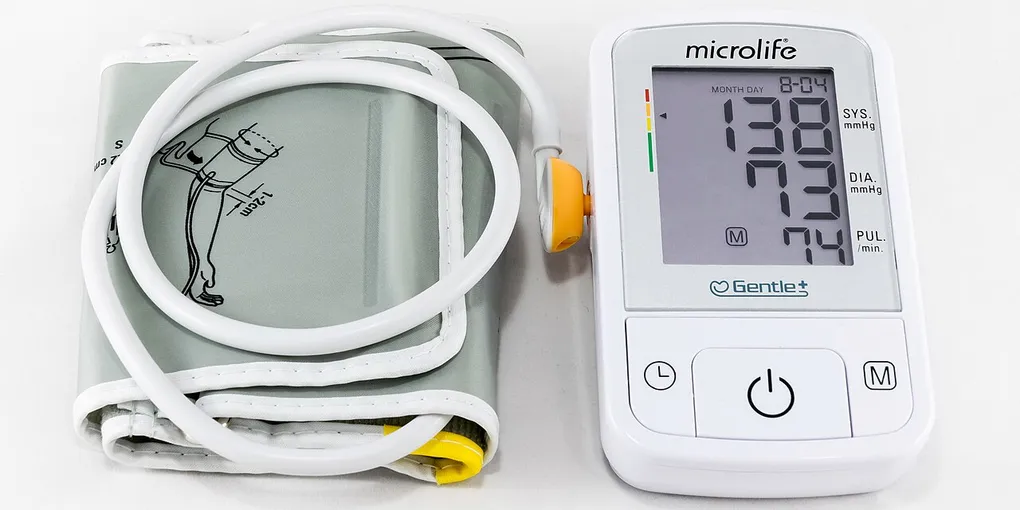
Hero image: Jacek Halicki, CC BY-SA 4.0, via Wikimedia Commons.
Sources
Frequently Asked Questions
How quickly can I lower my blood pressure?
Lifestyle changes are a longer-term plan, not a way to treat a dangerous reading instantly. Collect repeated readings using a consistent technique and share them with a clinician, who can interpret the pattern and decide what treatment is appropriate.
Can I lower blood pressure without medication?
Lifestyle changes may be part of treatment, but whether medicine is needed depends on average readings, risk factors and health conditions. If you are prescribed medicine, never stop or reduce it yourself; let a clinician review your log and adjust treatment if appropriate.
What is the fastest way to lower blood pressure at home?
Sit quietly and repeat the reading after at least one minute. If it remains higher than 180/120 mm Hg, contact a health professional immediately; with chest pain, shortness of breath, weakness, vision change or difficulty speaking, call emergency services. Do not take an extra dose unless a clinician has given you that instruction.
Is 140/90 high blood pressure?
The AHA categories include stage 1 at 130–139 or 80–89 and stage 2 at 140 or higher or 90 or higher, but one reading is not a diagnosis. Record repeated readings and ask a clinician how your average and personal risk should be interpreted.