Quick answer
For a small indoor ant trail, wipe it with soapy water, remove food and water, and follow the ants to an entry point. If they keep returning, a ready-to-use ant bait may help when its label fits the location and it can be kept away from children and pets. Seal gaps after activity declines; ask a professional about persistent or wood-nesting ants.
For a few ants indoors, start with cleanup and a short inspection rather than a homemade pesticide recipe. Remove the food or moisture they found, follow the trail to a likely entry point, then choose a targeted next step. Ant species and bait preferences differ, and no home method can promise permanent elimination. The plan below separates a minor trail from a problem that needs identification or professional help.
A quick decision path
- A few ants, no continuing trail: Wipe them up with soapy water, clean the nearby surface and check for crumbs, spills, pet food or a leak. Recheck the area later.
- A repeated trail indoors: Follow it to the entry point, remove the attractant and seal an accessible gap. If the trail continues, consider a ready-to-use bait labeled for indoor ants, but only where its directions allow and it can be placed out of reach of children and pets.
- Large ants near wood, sawdust-like debris, stings, or a nest in a wall: Stop trial-and-error treatment. Ask a qualified local pest professional or extension service to identify the ant and recommend a site-specific response.
- Ants in a shared rental or apartment: Tell the property manager and coordinate treatment. Treating one room can miss a nest or food source elsewhere in the building.
This is a screening aid, not a species identification key. If you cannot make a bait inaccessible or the label does not cover the location, skip it and get local advice.
Handle an indoor trail in four steps
1. Find what is attracting them
Watch the route without touching or spraying the ants. Check around the sink, bin, pet bowl, pantry and pipes for food residue or moisture. Ants may forage indoors while nesting elsewhere; seeing a trail does not prove that the nest is inside your wall.
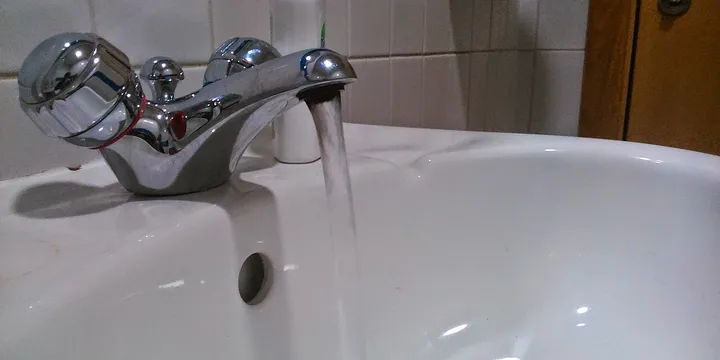
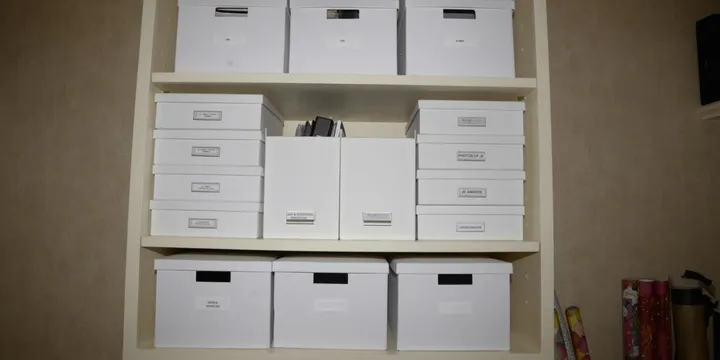
Store open food in sealed containers, rinse sticky packaging, empty food waste and wipe up spills. A pantry organization routine can make food sources easier to spot. Fix drips or standing water; use this leaky faucet guide if the source is a tap.
2. Remove the visible trail
Wipe the route with soapy water and clean the food-contact surface as appropriate for that surface. This clears the visible foragers and scent trail; it is not a colony treatment. Avoid claiming that vinegar, cinnamon, coffee grounds or essential oils will eliminate a nest. Their presence can distract from finding the attractant and entry point.
3. Decide whether bait fits
If ants keep returning after cleanup, a packaged bait station or gel labeled for the ant and location can be one part of an integrated approach. Read the full product label before buying or placing it. Use only the sites and method listed there, keep it inaccessible to children and pets as directed, and do not make a stronger mixture or transfer bait into food containers. Product rules and labels vary by country; in the United States, EPA explains that pesticide labels set the use directions and precautions (EPA: Introduction to Pesticide Labels). Follow your local regulator’s guidance elsewhere.
Give a bait time according to its label; it is not an instant knockdown. If ants ignore it, do not add more or mix a different poison into it. The bait may not match the species or current food preference. Recheck the trail, reposition only if the label permits, and seek identification if the problem persists. University of California IPM recommends combining exclusion and sanitation with targeted bait, and cautions that sprays can provide only temporary control (UC IPM: Ants).
4. Close accessible gaps
After activity falls, seal accessible cracks around a window, door or pipe with a material suited to the surface. Do not seal a suspected nest into a wall or apply dust or liquid pesticide into a cavity. If the route appears to lead behind cabinetry or into structural wood, have it inspected first.
If ants are outside or on plants
Outdoor ants can be part of the garden ecosystem. Start by checking whether they are tending aphids or another honeydew-producing insect on a plant. Address the plant problem using local extension advice, reduce food waste near the house, and keep branches or stored materials from creating an easy route indoors. Focus on keeping ants out of living spaces rather than trying to eradicate every outdoor colony; UC IPM notes that many ants are beneficial and recommends site-specific management.
Do not pour boiling water on a nest or scatter loose insecticidal dust as a general home remedy. These methods can injure people, pets or plants and do not identify whether the nest or treatment is appropriate. Use an outdoor ant product only when its label specifically permits that site and method, and keep it away from people, pets, pollinators and waterways as directed.
When a professional inspection is the better next step
Large ants, especially with sawdust-like material near damp or damaged wood, can indicate a nesting or moisture issue that surface bait will not diagnose. Ants that sting, an uncertain species, repeated indoor trails despite a careful labeled treatment, or activity inside a wall also justify local expert advice. Do not rely on a size estimate alone to identify carpenter ants or fire ants; species and risks vary by region.
When you call, note where the trail starts and ends, when it appears, what food or moisture is nearby, and which labeled products (if any) you used. Ask how the proposed method targets the identified ant and what preparation, re-entry or pet precautions apply. A responsible recommendation should explain the treatment site and follow-up rather than promise that ants will never return.
Sources and limits
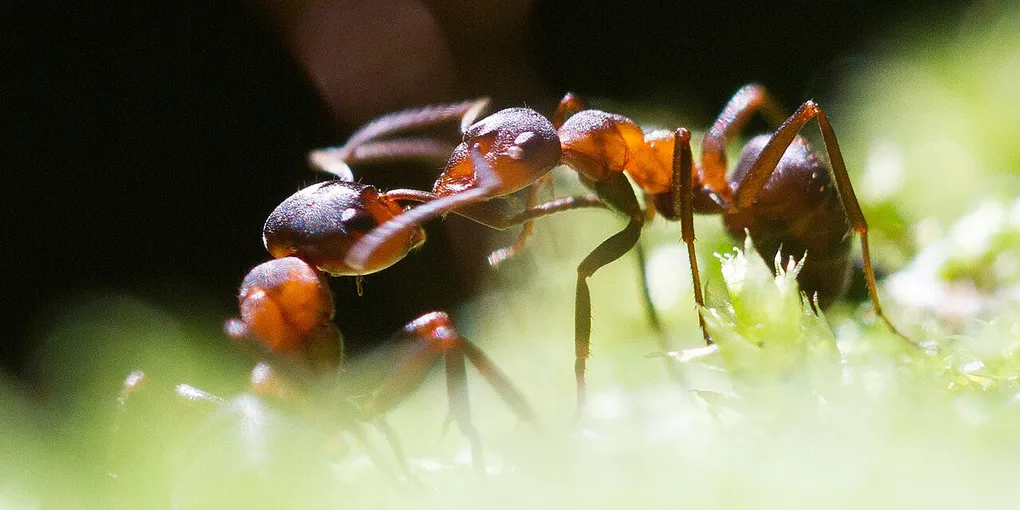
The practical steps above synthesize UC Statewide IPM guidance on sanitation, entry-point sealing, ant bait use and professional escalation, plus EPA guidance on reading pesticide labels. Ant identification and pesticide approvals are location-specific; this guide is not a substitute for a product label, local extension service or licensed professional. The hero is an illustrative close-up photograph, not evidence of a particular species or treatment result.
Frequently Asked Questions
Does vinegar get rid of an ant colony?
No reliable evidence here supports vinegar as a colony treatment. Wiping a trail with soapy water can remove the visible line while you clean, but it does not resolve a nest. Focus on food, water, entry points and, when appropriate, a labeled bait.
Why do ants come back after I clean them up?
Cleaning removes the visible foragers and food residue, but ants may still have access to a nest, another food source or a new entry gap. Trace the next trail, correct the attractant, and avoid assuming that one species or one bait will solve every infestation.
When should I call a pest professional?
Ask for an inspection if ants keep returning after careful sanitation and correctly used bait, if large ants appear with sawdust-like debris near wood, or if you suspect a stinging species or nest inside a wall. Do not pour or inject treatments into a wall cavity.