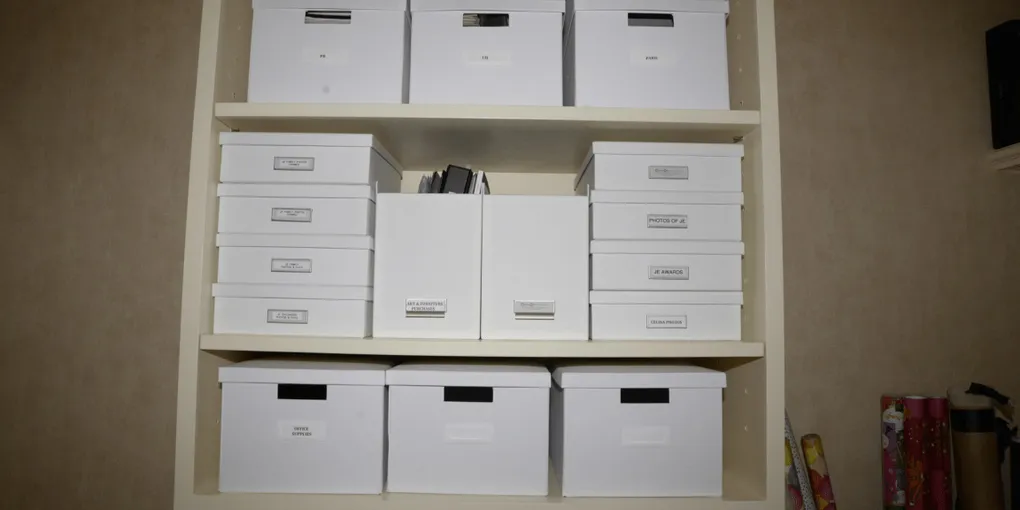
Picture this: you open a drawer and push items down with your hand so it closes. You have a “closet chair” that collects jacket-shaped driftwood. You buy storage boxes to organize the clutter, then the clutter moves into the boxes, then you buy a bigger box.
Decluttering is rarely about laziness or discipline. It is about decision fatigue: every single object in your home is a small open loop — should I keep it, use it, fix it, give it away? The way out is not a brutal weekend purge. It is a system that turns each decision into a three-second rule, repeated daily until the loops close.
This 7-day plan does exactly that. It takes 15–30 minutes a day, starts with tiny wins, and ends with habits that keep the house from refilling.
Day 1: The three-bin rule and one drawer
Today you set up the machine every other day will use:
- Get three bins or boxes: Keep, Donate, Toss (or two bags: donate + trash).
- Pick the smallest space you can fully see — one drawer, one nightstand, or one shelf. Not a room.
- Set a timer for 15 minutes. For every item, ask the single question: “Would I buy this today, and does it work?” Then it goes to one of the three bins, and it is decided in under three seconds.
That is the whole rule. No “maybe” bin, no “keep just in case” shelf. When the timer rings, the drawer is done — actually done, not “better than before.” Put the Donate bin where you can see it; a visible bin creates the momentum the rest of the week needs.
The reason you start small: finishing a single drawer gives you the system and a win. The win matters more than the square meters.
Day 2: One shelf, then the 20/20 rule
Today, apply the same three-bin rule to one more space — a shelf or a kitchen cabinet.
Then add the 20/20 rule for the tricky categories you touch daily:
If you can replace an item for less than about 20 in your currency and in under 20 minutes, you do not need to keep a backup of it.
Used on: extra cables and chargers, duplicate kitchen gadgets, old batteries, the second umbrella, spare phone cases. This one rule clears half of the “useful” clutter in most homes — because it is not usefulness that keeps those things; it is the fear of buying a replacement.
Day 3: Digital clutter — your phone and your files
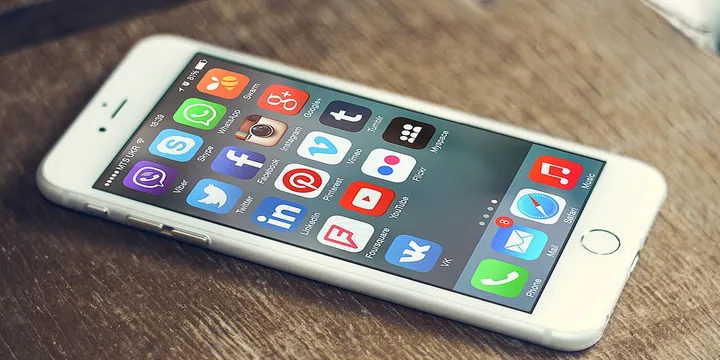
Your home is not only your rooms. The average smartphone holds years of screenshots, 47 barely-distinct photos of the same dinner, and apps installed once and forgotten. Digital clutter costs real time because it grows you the search cost — and it quietly echoes back into physical clutter (shopping apps, subscriptions, impulse buys).
Do a 30-minute digital pass:
- Apps: delete every app you have not opened in 60 days. You can reinstall anything in seconds. If a subscription comes with it, we have a full subscription audit guide for exactly that.
- Photos: delete the obvious duplicates first, then move the rest to chronological folders. Our free-up-phone-storage guide covers the deep version.
- Downloads & desktop: empty both into one “to sort” folder, and sort it on your next coffee break.
The connection to your physical home is not mystical: the same “would I reinstall this” question is the “would I buy this” rule applied to digital things.
Day 4: Clothing — the one-size rule
Clothes are where most people get stuck, because every wardrobe contains emotional items: the jeans you will fit into again, the jacket from a trip, the shirt with the story. The trick is to make the decision concrete instead of emotional.
Work one drawer or one wardrobe section with three questions:
- Does it fit today? Not someday — today.
- Have I worn it in the past year? (Two years is the generous version.)
- Does it still look presentable? Pilled, stained, or stretched items go to the trash bin, not the donate bin.
Straight out of the drawer, put hangers in backwards or rubber bands on the arm — a simple trick: after you wear an item and return it, hang a reminder on it. In three months, anything without a reminder is donation by evidence, not by feeling.
If you end up with fewer clothes than before, that is the point. A smaller, better wardrobe improves the daily choice.
If the clothing pass leaves you with a crowded rail rather than a clear system, use this closet organization guide to assign zones, choose hanging versus folding, and make the reset repeatable.
Day 5: Paper — the three-folder system
Paper is the clutter that sneaks back fastest: the mail on the counter, the notes from last spring, the receipts in every jacket. The fix is a single rule: every paper gets one of three destinations the moment it lands.
- Action: bills to pay, forms to fill — needs a visible spot and a weekly check.
- Archive: contracts, certificates, tax records — goes into one folder or drawer, not scattered.
- File-away: non-urgent but should be kept — the “archive” folder is fine too.
Everything else gets shredded or recycled on the spot. Receipts you do not need for tax or warranty: snap a photo and recycle them. And while you are at it, this is a good moment for the digital twin: our digital detox guide shows how to cut the incoming stream of notifications and newsletters that keep pulling you back to the screen — the paper mail of the internet.
Day 6: Kitchen and storage — expiration date sweep
The kitchen is the highest-value 30 minutes of the week, because outdated and duplicate items are objectively identifiable. Open the fridge, the freezer, and the pantry:
- Expired food: into the trash bin, no guilt. Cost is already sunk.
- Duplicates: two open jars of the same thing — merge them. One-in-one-out goes for spices, condiments, and dry staples too.
- Cookware and gadgets: anything with a single use (and a single memory of being used once) goes to the donate bin. If you crave it again, you can borrow or buy it — and our meal planning guide will keep the shopping lists tight enough that you will rarely miss it.
The second part of today is the “emergency exits” pass: unused electronics, cables, old chargers, and dead batteries in one bag. Electronics should be donated or recycled properly, not trashed with household waste. If the same clutter has spread into the garage, use the garage decluttering guide for a safe path, four-way sort, and storage zones based on how often you use each item.
The exit plan: move each pile out safely
Decluttering only works when the items leave your home. Before you start a session, put a tote or box beside the door and label it with the destination and the date you will make the trip. Use this five-minute handoff:
- Donate: Put clean, usable items in a closed box. Check the charity’s current rules before adding anything that is stained, recalled, or incomplete. If you cannot name a recipient or drop-off date, it is not finished yet.
- Sell: Photograph valuable items immediately and give yourself a short listing deadline. After that deadline, lower the price, donate, or recycle; a “sell later” pile is storage with paperwork attached.
- Recycle: Separate paper, metal, and ordinary packaging according to your local program. Keep electronics and batteries out of the curbside bin until you have checked the accepted drop-off route.
- Pause hazardous items: Paint, cleaners, oils, pesticides, and some batteries can require household-hazardous-waste collection. The EPA’s household hazardous-waste guidance says not to pour these products down drains, onto the ground, or into storm sewers; keep them labeled in their original containers and never mix leftovers.
- Handle lithium batteries separately: Tape the terminals, bag each battery individually, and take rechargeable lithium-ion batteries or devices containing them to a household hazardous-waste facility or electronics recycler. The EPA’s lithium-ion battery guidance specifically warns against household trash and curbside recycling because of fire risk.
At the end of every day, schedule one real handoff: a donation drop-off, a recycling trip, a pickup, or a local disposal search. Do not leave batteries or chemicals in the donation box. If your local rules differ from these examples, follow your municipality’s instructions.
Day 7: The reset habits that keep it clean
The purge is done. Today you install the three habits that stop the clutter from coming back — each takes under five minutes a day:
- The 15-minute evening reset. Before bed, walk the main living space with a bag or basket. Everything that does not belong goes back to where it lives — or into the Donate bin if you realize you never missed it. Combined with a dim wind-down routine, this doubles as better sleep hygiene, as our sleep guide describes.
- One-in-one-out. You already know the rule. A new purchase in any category means one existing item leaves. The label on the door of the closet chair is optional, but effective.
- The donation bin by the door. The easiest outcome of decluttering is the one within arm’s reach of the exit. When the bin is full, it goes with you — no “someday I will sort it.”
Twice a year (spring and early autumn are natural anchors), do a slower pass on the rooms that filled up first. Ten to twenty minutes per season will keep the weekly reset easy.
Quick-win checklist
- Three bins ready: Keep / Donate / Toss — today, one drawer, 15-minute timer.
- One new-space pass per day; small complete wins beat half-finished rooms.
- 20/20 rule for backups and duplicates: replace in under 20 minutes and under 20 → donate.
- Clothing: fit today, worn in the past year, presentable — otherwise gone.
- Paper: Action / Archive / Trash, decided the moment it lands.
- Kitchen: expiry sweep, duplicates merged, one-in-one-out.
- Evening reset (15 min), one-in-one-out for purchases, donation bin by the door.
- Twice a year: a slower pass on the rooms that fill first.
The point of all seven days is not a perfect home. It is a home where the small decisions have already been made, so your energy is left for the things that matter. Start with one drawer tonight — that is the entire secret of the system.
Hero image: Federal Bureau of Investigation, Public domain, via Wikimedia Commons.
Frequently Asked Questions
How long does it take to declutter a whole house?
With the day-by-day system in this guide, most people finish a typical apartment or small house in about one week at 15–30 minutes per day. A larger home takes two weeks. The speed matters less than the rule: always finish one small space completely before starting the next.
Where do I start when everything feels messy?
Start with the smallest space you can see in full — a single drawer, a nightstand, or one shelf. Finishing one small area gives you a clear system and a visible win, and it is hard to get stuck on a whole room. Size of the first win beats size of the room.
What should I do with things I decide to get rid of?
Three destinations: donate (clothes, books, kitchenware, toys — most charities take them), sell (electronics and furniture worth 100+ units of currency), and trash (broken, expired, or worn-out items). Keep a donated bin by the door so getting rid of something takes under a minute, and schedule a donation drop-off at the end of the declutter week.
How do I stop clutter from coming back?
The three habits that work: one-in-one-out for every category you own, a 15-minute daily reset of the main living space, and a "no new storage containers" rule — buying another box to store clutter usually just hides the problem. Twice a year, make a quick pass on the areas that fill up first.