Quick answer
Empty the closet, sort every item into keep, repair, donate, recycle or elsewhere, then return clothes by frequency of use. Give everyday pieces the easiest-to-reach space, fold knits instead of hanging them, use vertical storage without blocking the door, and keep one small donation bag ready for the next reset.
A closet becomes difficult to use long before it becomes completely full. The real warning sign is friction: you cannot see your everyday clothes, a hanger avalanche starts when you pull one shirt, or clean laundry stays in a basket because putting it away feels like a project.
The fix is not buying a dozen matching boxes. First remove what does not belong, then give the clothes you actually wear the easiest homes. This 10-step system works for a walk-in closet, a narrow wardrobe or a shared rail. You will need a clear floor, a donation bag and a little patience.
1. Empty the closet before you judge it
Take out clothes, shoes, bags, bedding and anything that has migrated into the closet. Put them on the bed or floor by broad type rather than making a perfect display. A full rail can hide wasted space, duplicate items and things that belong in another room.
Before returning anything, measure the useful width of the rail, the depth of shelves and the height above the hanging bar. Open the door and check its swing. These measurements stop you buying storage that blocks access or turns a narrow walkway into a squeeze.
2. Make five sorting piles
Handle each item once and choose one of five destinations:
- Keep: you wear it, it fits your life and it is in usable condition.
- Repair: a button, hem or zip is worth fixing, with a realistic date to do it.
- Donate or sell: it is clean, wearable and no longer right for you.
- Recycle or dispose: it is damaged beyond normal donation, subject to local textile rules.
- Elsewhere: it is luggage, sports equipment, paperwork or another household’s item.
Do not create an enormous “maybe” pile. If an item needs a decision break, place it in a dated bag outside the closet and review it once after 30 days. If you did not need it during that period, the evidence is useful.
The decluttering guide can help if the closet is only one part of a larger home reset. Start with the category that is blocking the floor and making the room harder to use.
3. Keep a wardrobe for your real week
Ask three plain questions about every keeper: Does it fit now? Have I worn it in the last year or do I have a specific upcoming use? Would I choose it over the similar item next to it?
Store sentimental clothing separately if possible. A wedding outfit or baby garment can be valuable without competing with tomorrow’s socks and shirts for prime space.
4. Divide the closet into useful zones
Create simple zones before you put anything back: everyday tops, workwear, trousers and skirts, layers, sleepwear, exercise clothes, accessories and shoes. Group by use first; colour can come later if it helps you find things faster.
The goal is a visible home for each category, not a showroom.
5. Give the easiest space to everyday clothes
The best space is the area you can reach without a step stool, crouching or moving three other piles. Put the clothes you wear most often between shoulder and hip height. Place occasional formalwear, spare blankets and off-season pieces higher or farther back.
Leave a little breathing room between hanging groups. If the rail is packed so tightly that you cannot slide hangers with one hand, remove another item or move a low-use category elsewhere. Visibility is more valuable than squeezing in one extra shirt.
6. Choose hangers and folding by garment, not fashion
Hang structured jackets, woven shirts, trousers and skirts when the garment’s care instructions support it. Use a hanger that fits the shoulders rather than stretching a small garment across a wide frame. Fasten slippery items enough to keep them from falling, but do not overfill one hanger.
Fold heavy sweaters, stretchy knits and delicate pieces that can develop shoulder bumps. Stack folded clothes in short piles so the bottom item is not forgotten. If a shelf is deep, place one row front-to-back or use a divider; two shallow visible stacks are easier to maintain than one tall wall.
The FTC’s care-label guidance explains why the label is the starting point for cleaning and care instructions. Storage is part of care too: follow the label, and do not treat a generic folding rule as more important than the garment’s instructions.
7. Use vertical space without creating a trap
Look above the rail and below the lowest shelf. Lightweight items such as hats, scarves and small bags can use a labelled basket, shelf divider or over-door organizer if the door still closes freely. A second hanging level can work for short garments, but check that it does not make the lower rail unusable.
Do not stack heavy boxes above head height, overload a tension rod or screw into a wall without checking what is behind it. Tall storage is useful only when it is safe to reach and easy to put away. Keep a stable step stool nearby if higher shelves are part of the system.
8. Make shoes and accessories visible
Pair shoes heel-to-toe or store them in shallow rows so you can see both pairs. Keep frequently worn shoes near the door and protect special footwear from dust in breathable containers. Do not hide damp shoes in a closed box; let them dry first.
Use one small container for belts, watches, ties or hair accessories instead of scattering them across several shelves. Hooks are helpful for lightweight bags and tomorrow’s outfit, but leave enough room to lift each item off without unhooking the whole row.
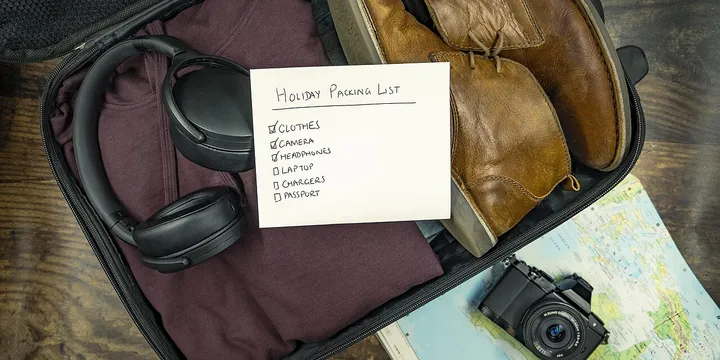
For travel clothes, the carry-on packing system shows how to keep a compact set visible and easy to retrieve. A closet and a suitcase work better when folded items are not compressed into a single unsearchable bundle.
9. Rotate seasons and protect the space
When the weather changes, move the next season into the easiest zones and place the current season within reach. Wash or clean clothing according to its care label, using the clothes-washing guide for the full wash-and-dry sequence, and make sure it is fully dry. Use breathable storage for fabrics that need airflow and avoid storing anything with a lingering stain or damp smell.
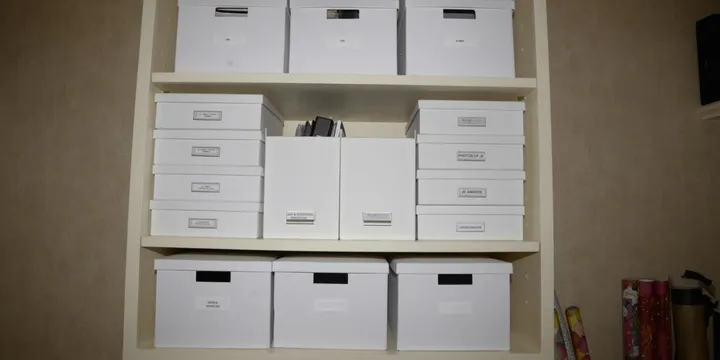
Label a high shelf or under-bed container with its contents and season. Do not make yourself open four mystery boxes to find one coat. Keep a small repair kit and one empty bag nearby so a loose button or unwanted shirt has somewhere to go immediately.
Avoid scattering strong chemicals through the closet, especially around children, pets or clothing that touches skin.
10. Build a five-minute reset
An organized closet should be easy to restore on an ordinary day. At the end of the week, set a five-minute timer and:
- Return clean clothes to their zones.
- Turn stray hangers the same direction.
- Pair shoes and remove anything that belongs elsewhere.
- Put one repair in the repair bag and one unwanted item in the donation bag.
- Stop when the timer ends; do not turn every reset into a full reorganization.
Leave one small empty section on a shelf or rail. That gap is not wasted capacity. It gives laundry, a new purchase or a temporary outfit a landing place without making the entire closet collapse.
A simple hanging and folding map
| Item | Default home | Check first |
|---|---|---|
| Jackets and woven shirts | Hanger | Shoulder fit and care label |
| Heavy knits and stretchwear | Folded shelf | Weight and shape |
| Trousers and skirts | Hanger or folded shelf | Creasing and fabric |
| Scarves and small bags | Hook or labelled basket | Door clearance |
| Shoes | Visible shallow row | Dryness and dust |
What to do with the exit pile
Do not leave the donation pile in the closet. Seal it, label it and set a date to move it out. Donate only items the recipient organization says it can use, and make sure garments are clean and dry. A charity’s acceptance rules matter more than your wish to clear the shelf.
The EPA’s reuse and recycling guidance recommends donation and reuse as ways to keep useful goods in circulation. Textile recycling varies by place, so check your municipality or a textile collection program before putting damaged clothing in any bin. Never donate wet, mouldy or contaminated items.
The best closet is not the one with the most storage products. It is the one where tomorrow’s clothes are visible, every category has a home and the five-minute reset is small enough to do. Empty it once, return only what earns its space, and let the system stay pleasantly ordinary.
Hero image: Almanta, CC BY-SA 4.0, via Wikimedia Commons.
Sources
Frequently Asked Questions
What is the fastest way to organize a messy closet?
Take everything out, sort it into keep, repair, donate, recycle or elsewhere, and only put back items that belong in the closet. Finish one zone before starting another, and leave a small empty area so the system has room to breathe.
How should I organize clothes in a small closet?
Use the easiest-to-reach space for clothes you wear most often, fold bulky or stretchy items on shelves, and use vertical space for lightweight accessories. Keep less-used seasonal items higher or elsewhere so daily clothes stay visible.
Is it better to hang or fold clothes?
Hang structured pieces, trousers and items that crease easily when the care label allows it. Fold heavy knits, stretchy garments, delicate fabrics and anything that loses its shape on a hanger; always follow the garment's care instructions.
What should I do with clothes I no longer want?
Repair wearable pieces first, then donate or sell clean, dry items through a legitimate local organization or platform that accepts them. Check local rules for textile recycling, because clothes should not automatically go into a household recycling bin.