Quick answer
Wash clothes by checking the care label first, sorting by color and fabric, treating stains, measuring detergent, and choosing the gentlest cycle that fits the load. Use cold water when the label allows, avoid overloading, inspect stains before drying, and follow the garment's drying instructions.
Washing clothes is simple once the load has a plan. The common failures are predictable: a red sock in a white load, a wool sweater in a hot dryer, detergent residue from an overfilled machine, or a stain that becomes permanent after heat.
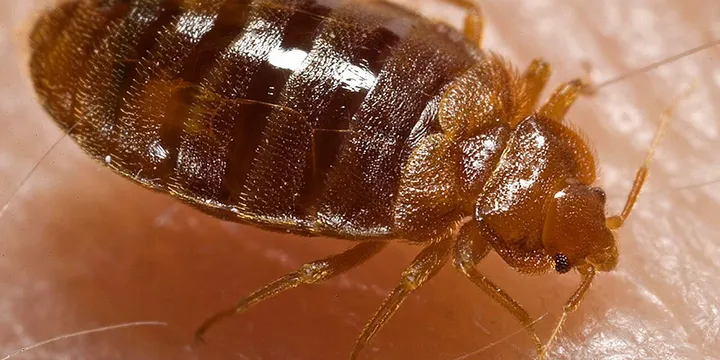
If a mattress, bedding or clothing may carry bed bugs, do not shake it into the hamper or walk it loose through the home. The bed-bug control guide explains how to bag items, use a dryer safely and keep clean loads isolated. For ordinary laundry, continue with the label, load and cycle decisions below.
The safest starting point is the garment’s care label. The Federal Trade Commission’s care-label guidance explains that care instructions cover washing, bleaching, drying and ironing, and that a washing instruction should identify whether hand or machine washing is intended. Use the label as the limit, then follow this repeatable workflow.
1. Read the care labels before sorting
Look at every unusual, new or expensive item before it goes into the hamper. Check for:
- Machine wash, hand wash or dry-clean-only instructions
- Maximum water temperature
- Gentle, delicate or permanent-press cycle warnings
- Bleach restrictions
- Tumble-dry, line-dry, drip-dry or flat-dry instructions
- Ironing limits or a “do not iron” warning
If a label says dry clean only, do not put the garment in a normal wash just because the fabric looks sturdy. If the label is missing, choose the least aggressive reasonable option: cool water, a gentle cycle and air-drying, or ask a cleaner for advice when the item is valuable or structured.
2. Sort by color, fabric and care needs
You do not need twelve tiny piles. Start with a practical split:
- Whites and very light colors
- Dark or strongly dyed colors
- Bright colors that may bleed
- Towels and sturdy cottons
- Delicates, wool and items with special care labels
Then separate items that should not share a load because they create lint or friction. Towels can shed lint onto dark shirts, while zippers and heavy denim can be rough on lightweight knits. If a pile is too small for a full cycle, combine it only with items that have compatible colors, fabrics, detergent and temperature requirements.
3. Empty, close and prepare each item
Check every pocket for tissues, coins, pens and electronics. Close zippers so their teeth do not catch other garments, fasten hooks, and tie loose cords. Turn dark printed shirts and delicate colors inside out if the label permits; this reduces rubbing on the visible surface.
Put small delicate items in a mesh bag, but do not use a bag as permission to ignore the care label. Remove belts, detachable trims and anything the instructions say to remove. Shake out sleeves and pant legs so the detergent solution can reach the fabric.
4. Treat stains before the wash
A washing machine is not a magic eraser. Scrape off solids, blot liquids and work from the outside of a fresh stain toward the center so it does not spread. Use a stain product or a small amount of suitable detergent according to its label, and test an inconspicuous area when the fabric or dye is uncertain.
Do not rub aggressively, use a hotter setting as a first response, or put a stained item in the dryer. Heat can make some stains harder to remove. After washing, inspect the garment in good light. If the mark remains, repeat a fabric-safe treatment before drying. The stain-removal guide covers the different first responses for protein, grease, tannin and dye stains.
5. Choose and measure the detergent
Use the detergent type required by your washer and read both labels: the product label tells you the dose, while the washer manual tells you which products and cycles are compatible. High-efficiency machines generally need HE detergent; do not guess if the manual says otherwise.
Measure rather than pouring by instinct. Concentrated products need less than old-fashioned large bottles suggest, and too much detergent can leave residue instead of making clothes cleaner. Keep detergent, pods and boosters secured away from children and pets. If you want to compare products with a safer-ingredient focus, the EPA’s Safer Choice program provides its own product and standard information; it is not a reason to ignore the garment or detergent label.
6. Load the washer without packing it solid
Put clothes into the drum loosely. A full load can save water and energy, but a stuffed drum cannot move, rinse or clean effectively. Leave enough room for your hand to fit above the clothes in a top-loader, or use the capacity guidance in a front-loader’s manual rather than forcing the door closed.
Place very heavy items with similar sturdy pieces, not with thin shirts. Balance bulky articles so the washer does not spend the cycle trying to redistribute an uneven load. If the machine offers a smaller-load setting, use it instead of running a half-full load with the full water level.
7. Select the temperature and cycle that fit
For an everyday load, cold water is often a sensible starting point when the care label and detergent allow it. The National Park Service laundry guidance recommends cold water with cold-water detergent whenever possible and advises washing full loads with the appropriate water level for smaller loads.
Temperature is not a competition. Use warm or hot water only when the label, fabric, detergent and level of soil support it. Choose a normal cycle for durable everyday clothing, a shorter cycle for lightly worn items, and a delicate or wool cycle when the label calls for less agitation. A longer or hotter cycle is not automatically a better wash.
8. Handle hand-wash and delicate items gently
For hand-wash garments, fill a clean basin with the temperature the label specifies, dissolve the recommended detergent, and move the item gently through the water. Do not twist or wring stretchy knits, wool or fragile fabric. Press out water, rinse as directed, and support the garment while it drains.
For machine-washable delicates, use the specified cycle and a mesh bag when useful. Do not mix a delicate item with jeans, towels or metal hardware merely because the colors match. If a garment has a lining, structure, embellishment or shape that matters, professional cleaning is safer than an experiment.
9. Dry clothes according to the label
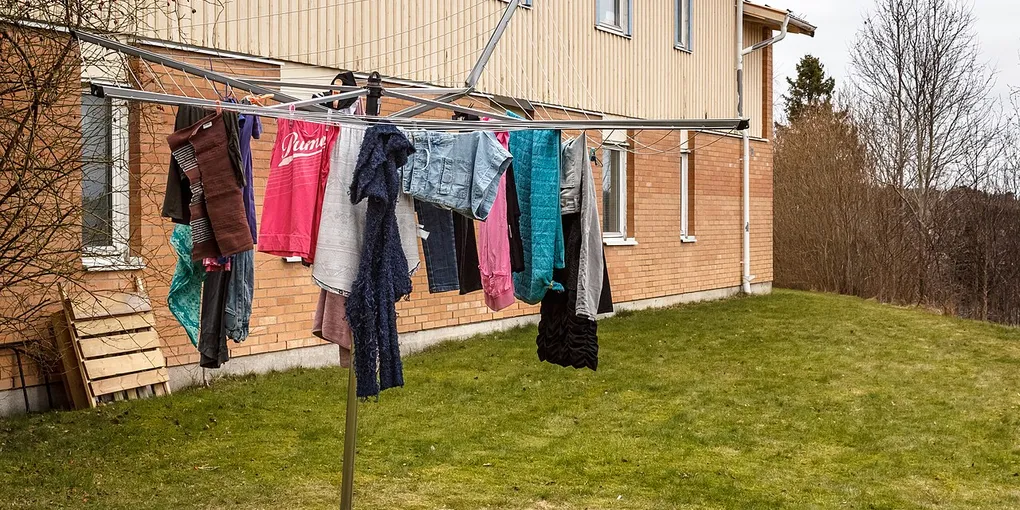
Before drying, check the load again for stains, dye transfer or damage. A dryer can set a mark, shrink a fiber or weaken elastic. Select the temperature and cycle on the care label; when in doubt, air-drying is usually the less aggressive choice, provided the item can be dried that way.
Shake garments out before hanging or drying. Reshape knits and lay them flat when instructed. Remove clothes promptly when the cycle ends to reduce wrinkles. For a tumble dryer, the National Park Service advises not over-drying and cleaning the lint screen after every load to improve airflow and help prevent fire hazards.
10. Fold, store and maintain the routine
Fold or hang clothes once they are completely dry. Store heavy knits folded rather than on thin hangers, and give damp towels space to dry instead of leaving them in a pile. Keep clean laundry away from the hamper and from products that could transfer fragrance, oil or dirt.
Wash items often enough for their use, but do not assume every garment needs the same schedule. Utah State University Extension’s laundry-frequency guidance gives examples ranging from every wear for exercise clothing and underwear to less frequent washing for some outerwear. Let sweat, skin contact, visible soil, odor, weather and the care label guide the decision.
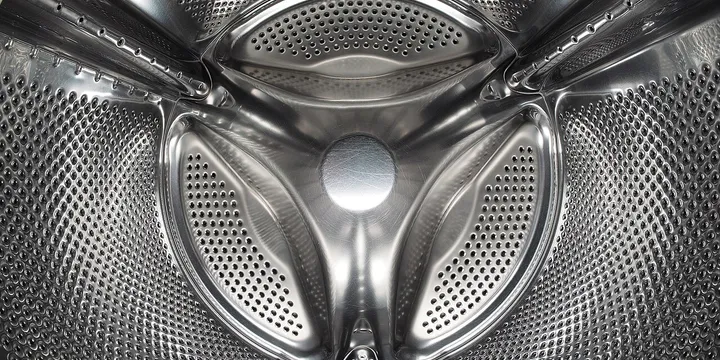
Once a month, check the washer gasket, detergent drawer and lint filter or drain area according to the machine’s manual. If the washer itself smells, the washing-machine cleaning guide explains a separate maintenance routine; do not try to solve a machine problem by adding more detergent.
Quick fixes for common laundry problems
- Clothes smell musty: make sure the load is not left wet, dry it completely, and inspect the washer for buildup or standing water.
- White residue appears: reduce the detergent to the label dose, avoid overloading and check whether the product suits the machine.
- Colors fade: turn garments inside out, use a cooler label-approved cycle and reduce friction from rough items.
- Clothes shrink: review the fiber and drying instructions, then use less heat and more air-drying.
- Lint covers everything: separate towels and lint-producing fabrics from dark or smooth garments.
- A stain remains: do not dry it yet; repeat a treatment that is safe for the fabric.
A good laundry system is not about using the hottest water or the most product. It is about matching the label, load, detergent, cycle and drying method so the clothes get clean without unnecessary wear.
Hero image: W.carter, CC BY-SA 4.0, via Wikimedia Commons.
Sources
Frequently Asked Questions
What is the best way to wash clothes?
Read the care label, sort clothes by color and fabric needs, treat stains before washing, measure the detergent, and choose the lowest temperature and gentlest cycle that suit the load. Dry each item according to its label and do not put a stained garment in the dryer until you have checked it.
Should I wash clothes in hot or cold water?
Use cold water when the care label and detergent allow it; it is a practical choice for many everyday loads and can save energy. Use a warmer setting only when the garment label, soil level and washer instructions support it. There is no single temperature for every fabric.
How much detergent should I use?
Follow the detergent label and your washer manual, especially for concentrated detergent or a high-efficiency machine. More detergent is not automatically better: excess product can leave residue and make rinsing harder.
Why do clothes shrink in the wash?
Shrinkage usually comes from a combination of fiber, heat, agitation and moisture. Check the care label, avoid hotter water or a hotter dryer than recommended, and air-dry or reshape items when the label calls for it.