How to Get Rid of Bed Bugs: A Decision Guide for Homes and Rentals
Quick answer
First decide which situation you are in: an unconfirmed insect, a confirmed case in a rental or shared building, an isolated room, or a multi-room or recurring infestation. Confirm the pest, record the evidence, move items only in sealed bags, use suitable heat only for dryer-safe items, and coordinate with a landlord, manager or qualified pest professional before the problem spreads.
Bed bugs are a containment problem before they are a cleaning problem. The first bug you see may not tell you how far the infestation has spread, and moving bedding, clothing or furniture from room to room can make the map larger.
Do not start by throwing away your mattress or fogging the whole room. The U.S. Environmental Protection Agency’s bed bug tips say most belongings can be treated and saved. A realistic plan combines identification, isolation, heat or other suitable treatment, monitoring and repetition. The EPA says do-it-yourself control can take weeks to months, so measure progress rather than expecting one dramatic spray to solve it.
Choose the next move before you treat anything
This is a documentation-based decision guide, not an inspection, tenancy-law opinion or substitute for a local pest professional. It turns the cited EPA integrated-pest-management guidance into a short decision sequence so you can avoid the two common failures: spreading bugs while moving belongings, and escalating to unsafe treatment before confirming the situation.
| What you know today | Do first | Avoid | Escalate when |
|---|---|---|---|
| You found a suspicious insect or bites only | Collect a clear sample or photo, record where it was found, and seek identification from an extension agent or trained pest expert. | Spraying, discarding furniture, or assuming bites prove bed bugs. | An expert confirms bed bugs, or you find repeated physical evidence. |
| Bed bugs are confirmed in a rental or shared building | Notify the landlord or manager in writing, retain the date and evidence, and ask how nearby units and treatment preparation will be handled. | Moving loose bedding or furniture through shared spaces, or treating only your room without coordination. | Nearby units need inspection, management does not respond, or local housing rules require another route. |
| Evidence appears limited to one room in an owner-occupied home | Make a location map, seal items before moving them, dry suitable fabric on high heat, and monitor the bed and surrounding room. | Trying to heat the whole room with a thermostat, space heater or fireplace. | Evidence spreads, treatment cannot be completed safely, or new signs continue after careful follow-up. |
| You find bugs in several rooms, connected units, or after repeated work | Preserve the record and arrange a qualified pest-management inspection using an integrated-pest-management approach. | Repeatedly layering products, mixing pesticides, or relying on foggers as the only method. | The infestation is established, shared, recurring or beyond safe treatment of important items. |
The EPA says a confirmed apartment case should be reported to the landlord and nearby units inspected, while its IPM guidance says multi-family control needs participation from both residents and building management. Local responsibility and notice rules differ, so keep the report factual rather than assuming who must pay or act.
Verify the pest before treating it
Before buying a treatment, make sure you have the right pest. Compare a clear specimen or photograph with the EPA’s bed bug identification and control guidance, or show a collected sample to a local extension agent or other trained pest expert. Bites alone are not a dependable identification method.
If you live in an apartment or other shared building, tell the landlord or property manager after identification. The EPA recommends that nearby units be inspected because bed bugs can move through connected living spaces. Local housing rules determine who must arrange or pay for treatment, so keep the report factual and dated.
Create a usable evidence map
Use a notebook or a phone note to record the date, room, exact location and evidence you found. Inspect the mattress seams, headboard, box spring, bed frame, nearby upholstered furniture, baseboards and other places where people rest. Expand the inspection to surrounding living spaces rather than treating only the bed.
This record gives you two useful signals: whether the affected area is growing and whether a treatment is reducing new evidence. The EPA’s do-it-yourself control process specifically recommends keeping exact locations and continuing checks after treatment.
Contain items before moving them
Do not carry loose bedding, clothes, pillows or clutter through the home. Put items that need treatment into sealed plastic bags or containers before moving them. Use a fresh bag for the trip to a shared laundry room, and put clean items straight into a clean bag when they come out of the dryer.
Keep the bed where it is unless a professional tells you otherwise. Moving furniture can drop bugs along hallways and create new hiding places. Reduce clutter around the bed, but move it slowly and only after it is sealed or treated. The goal is fewer hiding places without giving bed bugs a free ride.
Isolate and monitor the bed
Use a high-quality, bed-bug-proof encasement designed for a mattress and box spring. Close the zipper completely and inspect the cover regularly for tears or openings. The cover traps bugs already inside and removes many seams and folds from the active environment; it does not replace treatment of the room. For ordinary dust, stains or odors after the pest issue is under control, use the mattress-cleaning guide rather than adding more pesticide or moisture.
Pull the bed slightly away from the wall, keep bedding from touching the floor, and place bed bug interceptors under each bed leg where appropriate. The EPA’s IPM guidance recommends encasements and monitoring devices so you can see whether bed bugs are still active.
Treat dryer-safe items with heat
For clothing, bedding and other items that can safely tolerate it, put the items in a dryer and use a high-temperature cycle. The EPA’s IPM guidance says 30 minutes in a high-temperature dryer kills bed bugs on bedding and clothing; its travel guidance also warns that washing alone will generally not do so.
Check the care label first. Do not damage wool, delicate fabric or heat-sensitive items in an attempt to treat them at home. Bag those items and ask a pest professional or a qualified cleaner about a treatment route. After drying, seal the clean load until the room has been treated and the storage area is ready. For the ordinary wash after containment, the clothes-washing guide covers sorting, detergent, temperature and drying decisions.
Clean accessible areas and keep heat boundaries clear
Vacuum mattress edges, the bed frame, floor edges and other inspected areas. Use the crevice tool gently rather than tearing fabric. When finished, seal the vacuum bag tightly and put it in an outdoor trash container immediately, as the EPA advises. Emptying a bag indoors can put the problem back on the floor.
Steam can be useful on cracks, fabrics, baseboards and furniture when used correctly. The EPA says the steam should reach at least 130°F and should not have forceful airflow that scatters bugs; a diffuser helps. Do not turn up the thermostat, use a propane heater or start a fire to heat a room. Those approaches do not work and are dangerous.
Treat pesticides as a limited, label-led option
If you use a pesticide, choose a product registered for your jurisdiction with bed bugs listed on the label. Follow the label’s preparation, application, ventilation and re-entry instructions exactly. Do not spray a mattress, clothing or a food-contact surface unless the label specifically allows it.
Never use rubbing alcohol, kerosene or gasoline. The EPA warns that these liquids can harm people and ignite easily. Bug bombs or foggers should not be the only control method: spray may not reach the cracks where bed bugs hide, and improper use can cause harm or fire. If the label is unclear, stop and ask a qualified professional.
Coordinate the household or building response
Everyone in the home needs the same rules: no loose items moved between rooms, no untreated bedding returned to the bed, and no stopping after the first quiet night. Follow the written map and work through the affected room systematically.
In a multi-unit building, cooperate with management and allow the surrounding units to be inspected. The EPA describes bed bug control as an integrated pest-management process that works best when residents and building management participate. Treating one bedroom while an adjoining source remains active can make the result look like a failure when the plan was simply incomplete.
Measure progress instead of guessing
Look for new evidence every few days after the initial cleanup and control work. Refresh your records, check interceptors and inspect encasements for damage. Repeat suitable treatment steps when you find evidence; bed bug eggs can survive some methods, so one pass is not proof that the infestation is gone.
Keep monitoring after the last sighting. The EPA’s DIY guidance recommends continuing checks for at least a year after you think the problem is finished. That sounds long, but it is safer than declaring victory after one week and unknowingly restarting the cycle with an untreated item.
If the infestation followed travel, use the EPA’s travel precautions next time: inspect the mattress, headboard and luggage rack, keep luggage off the bed and floor, unpack directly into the laundry area, dry suitable items at high temperature, and store suitcases away from the bedroom. Inspect secondhand furniture before it enters the home as well.
Know when home treatment has reached its limit
Bed bugs are a reasonable reason to ask for professional help, not a reason to feel embarrassed. Contact a qualified pest management professional when you continue finding bugs after repeated careful work, the infestation covers multiple rooms, a neighbor or connected unit is affected, or important belongings cannot be safely treated.
Ask what the inspection covers, which methods will be used, how residents should prepare, how follow-up visits work and which products are registered for the intended use. Professional whole-room heat treatment is different from trying to make a room hot with a household heater; the EPA notes that professionals have access to more intensive methods.
Do not discard furniture unless it cannot be safely treated. If disposal is necessary, follow local rules, make the item unusable and mark it clearly so another person does not take it home. Keep the treatment record, receipts and dates of inspections. A controlled, documented process is more useful than a frantic series of sprays.
The short version is: identify first, contain everything you move, dry safe items on high heat, protect and monitor the bed, repeat the work, and get professional help when the evidence does not decline. Bed bugs are difficult, but a measured plan is safer and more effective than panic.
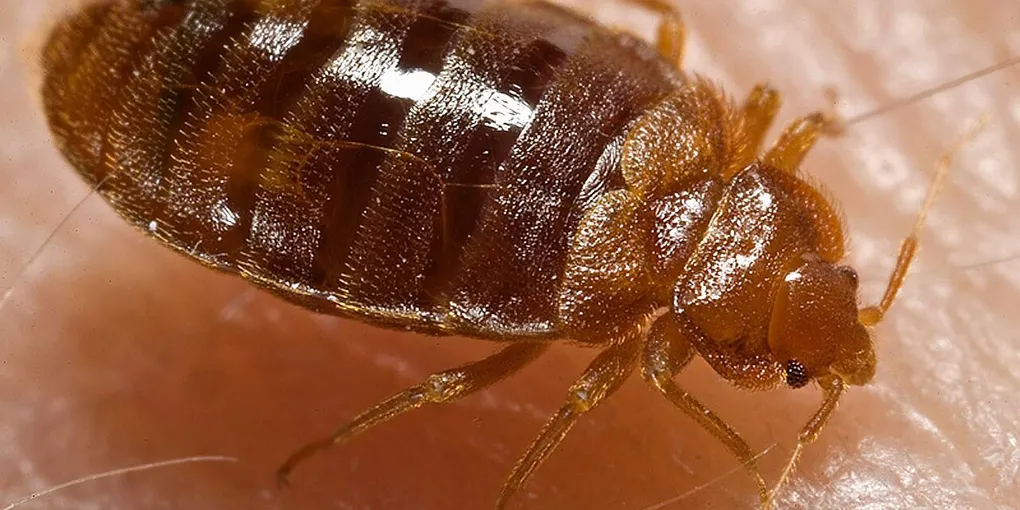
Hero image: Content Providers(s): CDC/ Harvard University, Dr. Gary Alpert; Dr. Harold Harlan; Richard Pollack. Photo Credit: Piotr Naskrecki, Public domain, via Wikimedia Commons.
Sources
Frequently Asked Questions
What is the fastest way to get rid of bed bugs?
There is no reliable instant fix for an established infestation. Start by containing items, using a high-heat dryer for dryer-safe clothing and bedding, encasing the mattress and box spring, monitoring with interceptors, and repeating the inspection. Professional treatment may be the better first choice when the infestation is widespread.
Does washing clothes kill bed bugs?
Washing alone will generally not kill bed bugs. The EPA recommends high-temperature drying, and its IPM guidance specifies 30 minutes in a high-temperature dryer for bedding and clothing. Follow the garment label and use professional treatment for items that cannot safely be dried.
Can I get rid of bed bugs without throwing away my mattress?
Often, yes. Do not throw out everything in a panic. A high-quality, bed-bug-proof encasement can trap bugs in a mattress or box spring, while inspection, heat treatment, monitoring and other IPM steps address the wider infestation. Replace an item only when it cannot be safely treated.
When should I call a bed bug professional?
Call when you keep finding bugs after repeated, careful treatment, the infestation has reached several rooms or nearby units, you cannot safely treat important items, or you are unsure of the identification. The EPA says bed bug control is complex and can take weeks to months.