Quick answer
Strip the bed, check the mattress-care label, vacuum with an upholstery attachment, then spot-clean stains with a barely damp cloth and mild detergent. Do not soak, steam or bleach the mattress unless its manufacturer specifically allows it; dry every layer completely before remaking the bed.
A mattress does not need to smell like a hotel to be clean. Keep it dry, free of loose dust, and treat spills gently so they do not move deeper into the padding.
The safest routine is mostly dry cleaning: strip the bed, vacuum slowly, treat only the marked area, and give it time to dry. The label wins, especially for memory foam, hybrid, pillow-top or powered mattresses. This is maintenance, not a promise to remove every allergen or repair water damage.
Before you start: check the label and gather supplies
Read the care label, warranty instructions and any removable-cover instructions before applying a product. Some covers can be machine-washed; the mattress core usually cannot. Test any cleaner on a hidden seam first.
Gather:
- A vacuum with an upholstery attachment
- White cloths or plain white towels
- Mild, fragrance-free detergent
- A bowl or spray bottle for a very small amount of diluted cleaner
- Baking soda for ordinary stale odors
- Fans or an open window for drying
- A clean mattress protector for the final step
Never pour cleaner directly onto the mattress, and do not start with a steam cleaner unless the manufacturer explicitly approves it.
1. Strip the bed and wash what comes off
Remove sheets, pillowcases, blankets, the duvet cover and the mattress protector. Take removable items straight to the laundry area instead of shaking them over the mattress. Wash each item according to its care label; the clothes-washing guide covers sorting, temperature and drying when the whole laundry load needs attention.
For people managing dust-mite allergies, the Mayo Clinic’s dust-mite guidance recommends washing sheets, blankets, pillowcases and bedcovers weekly in water at least 130°F (54.4°C), when the fabric allows it. Do not force a hot wash that damages the textile; the goal is to clean the bedding and remove allergens, not shrink it.
Leave the mattress uncovered while you work so you can inspect the seams and let air reach the fabric later.
2. Inspect seams, edges and the underside
Look for the actual problem before choosing a cleaner. Check the top, piping, handles, corners, underside and the area around the bed frame. Note whether you have loose dust, a fresh spill, an old stain, pet urine, a musty smell or visible mold.
A small surface mark is a spot-cleaning job. A mattress that is wet inside, smells persistently damp, has visible mold, or was exposed to floodwater is a different problem. Bed-bug activity needs a containment and pest-control plan; our bed-bug guide covers sealed bags, dryer-safe items, encasements and monitoring. Do not hide a serious moisture problem beneath a protector. The CDC’s mold cleanup guidance treats porous materials that cannot be thoroughly cleaned and dried as items that may need removal.
3. Vacuum slowly with the right attachment
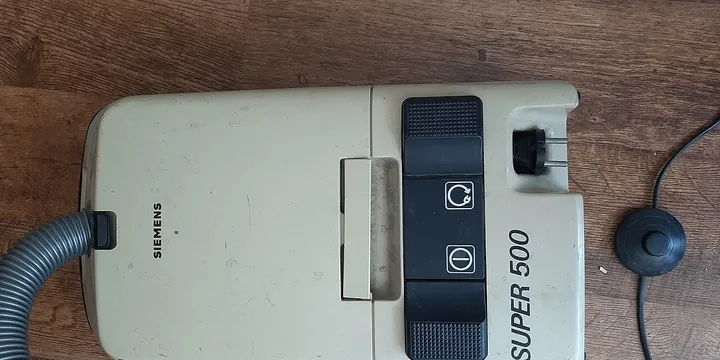
Fit the upholstery tool and vacuum in overlapping passes across the top, then work around the seams and edges. Use gentle pressure; the objective is to lift dust and skin flakes, not grind the fabric into the foam. Vacuum the box spring or platform, bed frame and floor beneath the bed as well. If the vacuum itself is struggling with airflow, the vacuum-cleaning guide covers filters, hoses and brush-roll checks.
A crevice tool can reach piping, but do not force a narrow nozzle into delicate stitching. If someone in the home reacts to dust, ventilate the room and let that person stay away during vacuuming. The EPA’s indoor-air guidance recommends regular cleaning and allergen-proof mattress and pillow covers, while noting that vacuuming can temporarily disturb airborne allergens.
4. Deodorize ordinary stale fabric carefully
If the fabric is dry and the problem is a mild stale smell, sprinkle a thin, even layer of baking soda over the surface. Leave it for 15 to 30 minutes, then vacuum it up slowly and thoroughly. Do not use a thick pile that can work into seams, and do not treat baking soda as a disinfectant or mold killer.
If the odor is sour, musty or keeps returning, stop adding fragrance or powder. Find the moisture source: a leak, condensation, a wet protector, a spill that reached the padding or poor airflow beneath the bed. A recurring damp odor deserves an inspection rather than another deodorizer.
5. Spot-test a barely damp cleaning cloth
For a small mark, mix a few drops of mild detergent into cool or lukewarm water. Dampen a white cloth and wring it almost dry. Blot from the outside of the mark toward the centre, lifting the stain into the cloth. Use a second cloth dampened with plain water to remove residue, then blot dry with a towel.
Work in short passes. Never spray the mattress until wet, scrub aggressively, or make a broad wet ring around the stain. The Sleep Number mattress-cleaning instructions similarly advise a small amount of water on a cloth and complete air-drying; your own manufacturer’s instructions take priority.
6. Match the treatment to the stain
Different stains respond to different first moves. Keep the treatment local and follow the product label if you use an upholstery cleaner.
| Stain | First response | Avoid |
|---|---|---|
| Fresh drink or food | Blot, then use a barely damp mild-detergent cloth | Rubbing the spill deeper |
| Blood | Blot with cool water, then use a small amount of mild detergent | Hot water, which can set protein stains |
| Urine or pet accident | Blot immediately, then use a mattress-safe enzyme product if the care label allows | Saturating foam or covering the smell with perfume |
| Grease | Lift solids, blot, and use a tiny amount of label-approved detergent | Pouring solvent or degreaser onto the bed |
For an old stain, several light passes are safer than one soaking pass. If the stain covers a large area, reached the padding or came from bodily fluid that has soaked in, ask a professional cleaner whether the mattress can be treated safely.
The separate stain-removal guide has surface-specific advice for washable fabric, carpet and hard materials; do not automatically transfer those methods to a mattress.
7. Dry the mattress completely
This is the step that prevents a small cleaning job from becoming a bigger one. Press dry towels onto the treated area, then stand fans so air moves across the surface. Open a window when outdoor humidity and weather make that sensible. Keep the mattress uncovered until the fabric and the area around the seam feel completely dry.
Do not sleep on a damp mattress, replace the protector while moisture remains, or put bedding back on to hide a cool, wet patch. Do not use a hair dryer on high heat or place a foam mattress in strong direct sun unless the manufacturer allows it; heat can damage materials and covers.
If it still feels damp, smells musty or shows spreading discoloration, stop the DIY process. Surface powder cannot fix moisture trapped inside porous padding.
8. Clean the surrounding bed area
A clean mattress can quickly collect dust again if the frame, floor and bedding are neglected. Vacuum the bed base, wipe hard surfaces with a damp cloth, and clean under the bed. Check that the base is dry and that air can circulate beneath the mattress.
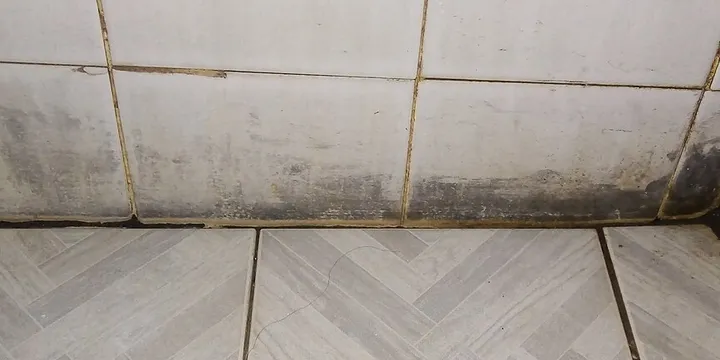
For a bathroom-adjacent room or a humid home, deal with the source of condensation rather than spraying the mattress repeatedly. The EPA guide to indoor air quality recommends controlling moisture, cleaning regularly and using allergen-proof covers where appropriate.
If there is visible mold on the mattress, do not brush it into the room or treat it as an ordinary stain. Isolate the item from living spaces if you can do so safely, avoid disturbing it, and get advice about disposal or professional remediation. The CDC mold guidance and our mold-removal guide are useful starting points for larger moisture problems.
9. Protect it and schedule the next inspection
Once everything is dry, fit a washable, breathable mattress protector that matches the manufacturer’s instructions. It will not make a mattress indestructible, but it moves the next spill to a removable layer. Wash the protector on its label’s schedule and clean accidents promptly.
Rotate the mattress only if the manufacturer says to do so; many modern mattresses are one-sided. If rotation is allowed, inspect and vacuum during the same routine, roughly every three to four months. Keep food and drinks away from the bed, trim sharp objects that can catch the fabric, and check the protector after illness, a pet accident or a leak.
When to replace or call a professional
Choose expert advice or replacement instead of repeated home treatment when the mattress has visible mold, floodwater exposure, deep urine contamination, bed-bug activity, a persistent damp smell, structural damage or a large stain that reached the interior. A professional may be able to assess a specialty mattress, but no cleaning trick can guarantee that soaked porous foam is safe.
The short version is simple: vacuum dry dust, spot-treat with almost no moisture, never soak the core, and allow complete drying. Good mattress care is less dramatic than a deep-cleaning video, but it is safer for the materials and much easier to repeat.
Hero image: Eve Mattress, CC BY-SA 4.0, via Wikimedia Commons.
Sources
Frequently Asked Questions
Can you wash a mattress with water?
Do not wash or soak a mattress. Use as little moisture as possible on a cloth for a small spot, follow the care label, and dry the area completely with airflow. Saturating foam or other padding can trap moisture and cause odor or mold.
How do you get a bad smell out of a mattress?
Remove the bedding, vacuum the mattress surface, sprinkle a thin layer of baking soda over the fabric for 15 to 30 minutes, and vacuum it thoroughly. If the smell returns, find the moisture or spill source; a persistent musty odor can mean the padding is damp and needs professional assessment or replacement.
How often should you clean a mattress?
Vacuum and inspect it whenever you rotate it, or about every three to four months if the manufacturer permits rotation. Wash sheets weekly, clean spills immediately, and wash a removable protector according to its label rather than waiting for a deep clean.
Should you use bleach to clean a mattress?
Usually no. Bleach can damage fabric and foam, and it does not solve moisture trapped inside the mattress. Use a manufacturer-approved upholstery product for a small spot; visible mold, flood damage or a persistent damp smell calls for professional advice or replacement.