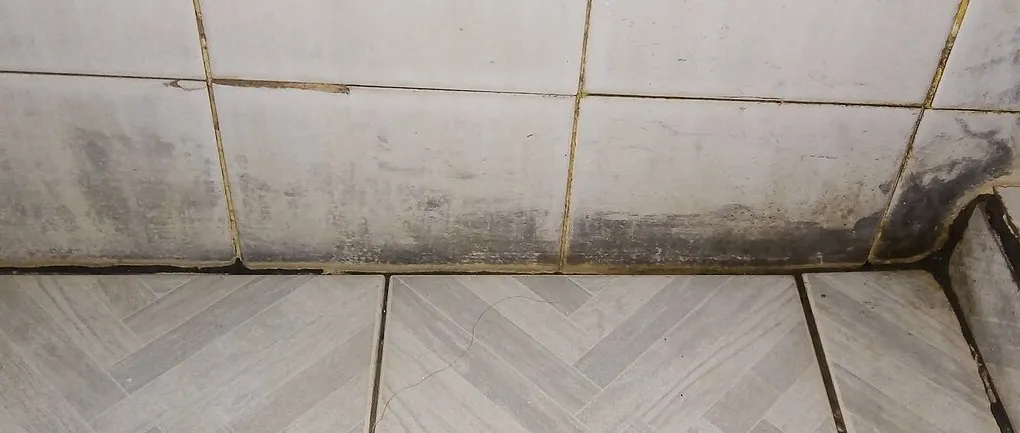
How to Get Rid of Mold: 10 Steps for Walls, Shower and Basement
Quick answer
Fix the moisture source first. For a small area on a hard surface, protect yourself, clean with detergent and water, and dry it completely; porous materials may need removal. EPA uses about 10 square feet as a DIY decision point, while CDC says people with allergies, asthma, lung disease or immune suppression should not do the cleanup.
Mold cleanup has two jobs: remove the growth you can safely address and fix the moisture that allows it to return. The EPA cleanup guidance puts moisture control first, so do not start by covering a damp wall with paint or caulk.
This guide is for general household information. It is not a mold test, medical diagnosis or substitute for a trained remediator when the source, material or exposure is uncertain.
1. Find and fix the moisture source first
Walk through the room and play detective before you touch a sponge. The source is usually one of three things:
- A leak: roof, pipe, tap, washing machine hose, or a crack in the outer wall.
- Condensation: warm, humid air hitting a cold surface — the classic wall behind a fridge, a corner window, or the toilet tank.
- Damp rising from below: a basement floor, a crawl space, or poor drainage outside the house.
When you find it, fix it. A leaky pipe needs a plumber or a new washer; a condensation problem usually needs ventilation or insulation. Cleaning mold without removing the moisture is repainting a wet wall — it looks better for a week.
2. Dry everything within 24–48 hours
The EPA says mold will usually not grow if wet or damp items are dried within 24–48 hours. This window is your best defense after a spill, a small flood or a burst pipe.
- Get water out: towels, mop, or a wet/dry vacuum.
- Push air through the room: fans aimed at wet surfaces, open windows when the outside air is dry.
- Pull moisture out of the air with a dehumidifier, especially in basements and closed rooms.
- Lift furniture and rugs off wet carpet and get air underneath.
If materials remain damp or the water source is not fixed, stop and reassess rather than treating “48 hours” as a guarantee that an item is safe to keep. Porous materials can retain moisture below the visible surface.
3. Suit up before you clean
Disturbing mold releases spores into the air. Every cleanup under 10 square feet is a small job, but still:
- Wear an N95 respirator — the cheap cloth mask does not filter spores.
- Put on gloves and eye protection.
- Ventilate the room: open a window, and if you have a window fan, run it blowing outward.
- Do not improvise containment or disturb a large area. Follow professional remediation guidance when the job is larger, hidden or likely to spread dust.
People with allergies, asthma, chronic lung disease or immune suppression should not take part in mold cleanup; CDC cleanup guidance identifies them as at higher risk of significant health effects.
4. Size the job — the 10-square-feet rule
Before you start, measure what you are dealing with.
- Under about 10 square feet (roughly a 3 ft × 3 ft patch): this is an EPA decision point for many small jobs, not a guarantee that DIY is safe.
- More than 10 square feet: consult EPA remediation guidance and consider a professional. Hidden mold inside walls, ductwork or HVAC systems needs specialist assessment.
- Sewage, floodwater or extensive water damage: stop and use qualified cleanup guidance; the water may contain hazards beyond mold.
If you are not sure, measure the visible area and contact an experienced remediator for an assessment rather than relying on a home mold test.
Use this decision aid before starting. It combines the EPA size/material boundary with the CDC health-risk boundary:
| What you find | Safer next step |
|---|---|
| Small visible patch on a washable hard surface; clean water; no high-risk person involved | Follow the label/PPE guidance, clean with detergent and water, and dry completely |
| Mold on drywall, insulation, ceiling tile, carpet padding or inside a wall/HVAC system | Do not cut or dismantle it casually; ask an experienced remediator |
| More than about 10 square feet, recurring moisture or extensive water damage | Stop the DIY sequence and arrange professional assessment |
| Person with asthma, chronic lung disease, allergies or immune suppression would be exposed | Keep that person away and use qualified help |
5. Scrub hard surfaces with soap and water first
For tile, glass, metal, plastic and other non-porous surfaces, EPA’s recommendation is ordinary detergent and water — scrubbing does the work, not chemical magic.
- Mix warm water with a little dish soap or laundry detergent.
- Scrub with a stiff brush; mold on grout lines needs elbow grease, not a stronger chemical.
- Rinse with clean water and dry with a cloth or squeegee.
The EPA’s bleach guidance says routine mold cleanup should not start with a biocide. Do not combine cleaning products; follow the product label if a disinfectant is genuinely needed.
6. Do not treat chemicals as the solution
Chemical claims are easy to overstate and can create a second hazard. Cleaning the visible growth and drying the material are the priority; “killing” mold does not remove all residue or fix the water problem. Never mix bleach with ammonia or another cleaner, and ventilate according to the product label.
7. The bleach truth — usually the wrong tool
EPA says bleach is generally not recommended as a routine mold-cleanup practice. If a disinfectant is used, use it only as directed for the material and situation; never mix products. Dead mold can still cause allergic reactions, so a chemical smell or color change is not proof that the area is safe.
8. Porous materials: remove, don’t clean
EPA notes that absorbent or porous materials may need to be discarded because mold can grow into spaces that are difficult to clean. Do not cut into walls or dismantle building materials unless you understand the dust and electrical risks; use a qualified professional when the material or source is hidden.
- Drywall, ceiling tile and insulation: these are porous. Get professional advice when they are moldy, extensively wet or part of a hidden leak rather than assuming surface cleaning is enough.
- Carpet, padding and upholstery: porous materials may need replacement if they cannot be cleaned and dried completely. Ask a qualified cleaner when the item is valuable or the water was contaminated.
- Solid, washable surfaces: use detergent and water where the material and product instructions allow, then dry completely. Do not apply paint or caulk over growth before cleaning and drying.
- Mattresses and delicate items: visible mold, a persistent damp smell or uncertainty about the material warrants professional assessment; a normal stain is a different problem from visible mold.
The safe decision depends on material, contamination, size, moisture and who may be exposed. The 24–48 hour drying guidance is a prevention target, not a guarantee that every item dry afterward is safe or that every item left wet must automatically be discarded.
9. Wash moldy clothes and soft items
Clothes, towels and bedding with mold spots can usually be saved:
- Wash with detergent using the hottest setting the care label allows, and do not mix in extra chemicals unless the product and care labels permit them.
- Dry the item completely. If it still has visible growth or a musty smell, stop repeating home treatments and ask a qualified cleaner whether it can be saved.
- Handle contaminated laundry separately from clean items and avoid shaking it indoors.
For leather, suede and delicate items, take them to a professional cleaner — household treatment can ruin them. If something holds a damp, musty smell after two washes, it is not clean.
10. Keep it from coming back
Mold returns when moisture remains or returns, so the final step is to find and correct that source:
- Use a hygrometer if helpful to identify persistently damp conditions, and use ventilation or a dehumidifier when appropriate.
- Run bathroom and kitchen exhaust ventilation while producing moisture, and dry wet surfaces promptly.
- Ventilate kitchens while cooking, and dry laundry outside or with the vent going out — the shower-cleaning routine covers the bathroom maintenance side.
- Use a dehumidifier in damp rooms according to its instructions, and address the leak or condensation source rather than relying on the appliance alone.
- Keep furniture a few centimeters off damp walls instead of pushed against them, so air can circulate.
The 5-minute daily habit
Mold prevention is cheaper than mold removal. Five minutes a day: wipe down the shower, run the exhaust fan while you are in there, and check under the sink for drips. Once a month, do the bigger sweep: look behind the fridge, under the washing machine, at the window sills and in the basement corners. Spots that are still small are a sponge job — the same spots left for months are a drywall job.
Hero image: Couch-scratching-cats, Public domain, via Wikimedia Commons.
Sources
Frequently Asked Questions
Is black mold dangerous?
Do not use color to decide whether cleanup is safe. Mold exposure affects people differently, and CDC identifies people with allergies, asthma, chronic lung disease or immune suppression as higher-risk. Focus on moisture control and safe cleanup rather than trying to identify a species at home.
Does bleach kill mold?
EPA says bleach is not recommended as a routine practice for mold cleanup. Detergent and water are the normal first choice for hard surfaces. If a disinfectant is used, follow its label, ventilate, and never mix bleach with ammonia or another cleaner.
Can I clean mold myself, or do I need a professional?
EPA uses about 10 square feet as a useful decision point for many small jobs, but size is not the only factor. Get professional help for extensive water damage, hidden mold, HVAC contamination, contaminated water, or when the people exposed include someone with asthma, chronic lung disease, allergies or immune suppression.
How do I keep mold from coming back?
Fix leaks and condensation, dry wet materials promptly, and keep indoor humidity under control. EPA and CDC emphasize removing moisture and drying materials; use ventilation or a dehumidifier where appropriate and seek help if the source is hidden or recurring.