Quick answer
Spray the whole shower with your cleaner, let it sit 10–15 minutes, then scrub with a non-scratch sponge and rinse. For soap scum use dish soap and hot water; for hard water stains use white vinegar; for grime use a baking soda paste. Scrub the shower head, squeegee the glass after every shower, and pull hair out of the drain weekly — that routine is 90% of the job.
A clean shower is mostly about breaking the cycle: soap scum, limescale and mold all build up on top of each other. This guide goes from the simplest methods to the deep clean, and ends with the five-minute routine that keeps the job small forever.
The supplies are cheap: dish soap, white vinegar, baking soda, a non-scratch sponge, a microfibre cloth, an old toothbrush, a squeegee, and a spray bottle.
Before you start: a five-minute safe setup
Do this quick check before you spray anything. It prevents the most common “cleaning” mistakes and makes the actual scrub faster:
- Clear the shower. Remove bottles, mats and loose hair so you can clean from the top down without working around obstacles.
- Identify the surface. Do not use vinegar or other acids on marble, limestone or other natural stone; use the surface maker’s cleaner instead. Test any unfamiliar product on a hidden spot first.
- Choose one cleaner. Never combine bleach with vinegar, ammonia or another cleaner. Open the door or window and run the fan while you work.
- Dwell, then scrub. Apply the chosen cleaner to a small section, leave it wet for the label’s stated time, then use a non-scratch sponge or soft brush. Do not let it dry on glass or metal.
- Rinse and dry. Rinse away the loosened soil, wipe the fixtures and glass, and leave the room ventilated. For recurring mold, fix the moisture problem; EPA recommends detergent and water on hard surfaces, complete drying, and extra care when the affected area is large or anyone has health concerns (EPA mold-cleanup guidance).
If you are unsure whether a surface can tolerate a product, stop at plain water and a neutral cleaner rather than guessing. That five-minute decision is cheaper than replacing etched glass, damaged stone or a failed finish.
1. Rinse the shower cold (or at least, not hot)
Before anything else, rinse the whole shower — walls, tray, glass, fixtures — with plain water.
Use cold or lukewarm water and stay on the surfaces with loose dirt — a cold rinse beats hot water for lifting embedded soap. When the bathroom is heavy with steam, wait until it clears before you scrub: the mirror and fixtures are less slippery, and you can actually see what you’re doing.
2. Dish soap for soap scum (the single best trick)
Soap scum is fat, and dish soap cuts fat. That is why it beats most “bathroom cleaner” sprays.
- Squirt a generous amount of dish soap into a bucket of hot water.
- Soak a sponge or cloth, scrub the glass, tray and tiles.
- Rinse each area straight away with the shower hose.
- Do not let the soap dry on the glass — it leaves a film.
This one step removes 80% of what looks like a dirty shower.
3. White vinegar for hard water and limescale
Hard water leaves white rings on the tray, film on the glass and crusts on the shower head. Vinegar dissolves it.
- Spray undiluted white vinegar in a spray bottle.
- Let it sit 10–15 minutes — the wait does the work, not the scrubbing.
- Wipe with a microfibre cloth and rinse.
Keep vinegar away from natural stone (marble, limestone) — acid etches it. Everywhere else it is the safest and cheapest descaler there is.
4. Baking soda paste for the stubborn grime
Some grime needs an abrasive that is still gentle.
- Mix baking soda with a little water into a paste.
- Spread it on the grimy areas, let it sit 10 minutes.
- Scrub with a non-scratch sponge, then rinse.
Baking soda and vinegar together are a classic: sprinkle baking soda, spray vinegar over it, let it fizz for a few minutes, then scrub. The fizzing loosens dirt, but the paste alone does more on thick grime.
5. The shower head: soak, scrub, rinse
Clogged nozzles make the spray weak and spread mold. The vinegar-soak fixes a clogged or crusty shower head:
- Fill a strong plastic bag two-thirds with white vinegar.
- Tie it around the shower head with a rubber band or string so the nozzles sit in the vinegar.
- Leave it 30–60 minutes.
- Scrub the face with an old toothbrush and run hot water for a minute.
If the head is removable, unscrew it and soak it in a bowl — even easier. Soap scum plus limescale also hide in the handle and hose; a weekly wipe keeps them clean.
6. Glass doors and shower curtains
Glass dries clear if you keep it clear.
- Squeegee after every shower — one wipe down each panel, 10 seconds. This is the biggest single time saver on this list.
- Fabric curtains — machine-wash on gentle with a couple of bath towels; the towels scrub the fabric. Hang back up to dry, never in a dryer.
- Plastic liners — wash in the machine with a towel, or soak an hour in warm water with vinegar and dish soap.
Rinse the squeegee blade under hot water every few swipes — a cold blade smears soap.
7. Tiles and grout
Grout is the part people scrub the hardest for the least result. The fix:
- Make a paste of baking soda and a few drops of hydrogen peroxide (or water).
- Rub it into the grout lines with an old toothbrush.
- Let it sit 10 minutes, scrub, rinse.
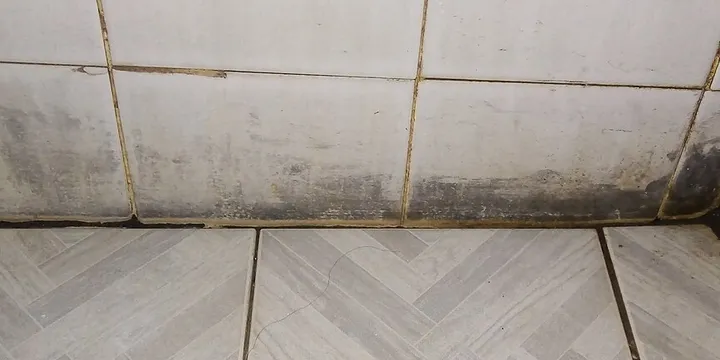
For mold on grout or caulk, vinegar helps on light cases. Bleach works on established mold, but never mix bleach with vinegar or any acid — the combination makes chlorine gas. Choose one or the other, and ventilate the bathroom while you work.
8. The drain: stop hair before it becomes a clog
Most shower clogs are hair. Catch it at the source:
- Use a drain cover or hair catcher that fits your drain.
- Pull the hair out once a week — two minutes with gloved fingers or a zip-tie hook.
- When the water starts draining slowly, act immediately: the methods are in our guide on how to unclog a drain before it blocks completely.
9. Mold prevention: ventilation beats chemicals
A shower mold grows because the bathroom stays damp. Cheap, effective fixes:
- Run the extractor fan for 30 minutes after each shower.
- Leave the door or a window cracked open.
- Wipe down the tray and glass after use.
- Keep towels and washcloths out of the shower or hung to dry.
- Inspect the caulk around the tray once a month — if it looks dark, replace it before the mold spreads behind it.
The 5-minute daily routine
Do this after every shower and the weekly clean takes minutes:
- Squeegee the glass.
- Wipe the fixtures and the tray with the microfibre cloth.
- Spray the shower head once with diluted vinegar (optional, weekly).
- Open the door or window.
How often to clean what
| What | How often | How long |
|---|---|---|
| Squeegee + wipe-down | After every shower | 1–2 min |
| Dish-soap scrub of glass, tray and tiles | Weekly | 10–15 min |
| Vinegar descale of shower head and fixtures | Every 2–4 weeks | 15 min |
| Baking soda / grout deep clean | Monthly | 30 min |
| Drain hair check | Weekly | 2 min |
When you live with a rental or are moving out
If you rent, a clean-move-out matters — many landlords charge for cleaning a scummy shower. Our first-time landlord guide is written from the other side of the table, but if you’re the tenant reading it backwards, know that the inspection checklist is the same list you’d want done to your own bathroom. And if the bathroom is so cluttered you can’t even get to the shower, start with a declutter of the room — most bathroom cleaners are two bottles, not shelf-loads.
Quick-win checklist
- Squeegee lives in the shower and gets used every shower.
- Vinegar is cheaper than any commercial descaler — keep it near the toiletries.
- A shower head soak is so easy it should be a monthly habit, like checking the drain.
- Never mix bleach with vinegar or ammonia.
Hero image: Anderson Mancini, CC BY 2.0, via Wikimedia Commons.
Frequently Asked Questions
How do I clean a shower head with vinegar?
Fill a strong plastic bag about two-thirds with white vinegar, tie it around the shower head so the nozzles sit in the vinegar, and leave it for 30 minutes to an hour. Untie, scrub the face with an old toothbrush, then run hot water for a minute to flush the loosened scale. It works best on a shower head you can remove and soak entirely.
How do I remove hard water stains from shower glass?
Spray white vinegar on the glass, let it sit 10–15 minutes, then wipe with a microfibre cloth and rinse. For stubborn white limescale, make a baking soda paste and scrub gently with a non-scratch sponge. Do not use harsh abrasive powders — they scratch glass and etching makes stains worse.
How do I clean a shower curtain?
Machine-wash fabric curtains on a gentle cycle with two or three bath towels (they scrub the fabric) and a little detergent. Hang it back up to dry. For plastic liners, wash them in the machine with a towel or soak them in a bath of warm water, vinegar and dish soap for an hour, then rinse.
How often should I deep clean the shower?
Squeegee the glass and wipe the fixtures after every shower, and do a 10–15 minute cleaning pass once a week with dish soap or a spray cleaner. A full deep clean of tiles, grout and shower head is fine every month — more often only if you see mold or heavy limescale building up.