Quick answer
To keep a houseplant alive, match it to the light you actually have, water only when its potting mix needs it, use a pot with drainage, and check it briefly each week for pests or changes. A consistent observation routine is more useful than a fixed watering day.
Keeping a houseplant alive is less about finding one perfect trick than noticing what changes in its small environment. Light shifts with the season, a radiator dries the air, and one pot can stay wet much longer than another. Start with a plant that fits the place you have, then build a short routine around observation rather than a rigid calendar.
The Royal Horticultural Society’s houseplant guidance covers light, watering, feeding, humidity, potting mixes and repotting. Use the plant label or a specialist guide for your specific species; “houseplant” is not a single care instruction.
Start with the light you can provide
Before buying or moving a plant, look at the spot for several days. Is it directly beside a sunny window, bright but out of the sunbeam, or several metres back in a dim corner? A room can feel bright to people while providing little usable light to a plant.
The RHS distinguishes conditions such as full sun, bright indirect light and shade in its light guide. Match the plant to that condition instead of trying to make a low-light corner behave like a windowsill. Keep foliage from pressing against cold glass in winter, and move it away from hot radiators, air-conditioning outlets or repeated drafts when those conditions cause obvious stress.
Turn the pot a little during your weekly check if growth is leaning strongly toward the window. Do not rotate a plant constantly just to make it symmetrical; the point is to notice whether its position is working.
Check moisture before reaching for the watering can
A fixed “every Sunday” watering rule is a common way to overwater plants. Pot size, potting mix, light, temperature, plant growth and season all change how quickly moisture is used. Instead, inspect the mix at the surface and slightly below it when appropriate for the plant. Lift a small pot to learn its dry-versus-watered weight, or use a finger only if doing so will not damage fragile roots.
The RHS notes that foliage plants, cacti and succulents have different watering needs in its watering guide. Follow the needs of the plant in front of you. When it does need water, apply enough that the root zone is moistened, let excess drain, and empty water left in the saucer or decorative outer pot. Do not leave roots sitting in water unless the plant’s care guidance specifically calls for it.
If you are unsure, change one variable at a time. Watering more, moving the plant, adding fertilizer and repotting all in the same week makes it difficult to tell what helped.
Give excess water somewhere to go
For most indoor plants, a nursery pot or container with drainage holes is the simplest setup. Put it on a waterproof saucer, or place it inside a decorative cachepot and remove it for watering. A pot without drainage can conceal water at the bottom, where roots may remain wet even when the top looks dry.
Choose a potting mix intended for the plant type rather than digging soil from outdoors. The aim is not a complicated collection of products; it is a mix that supports roots while allowing air and water to move. If a plant repeatedly stays wet for a long time, investigate the pot, mix and light before assuming it needs more water.
Use a weekly two-minute plant check
A short check prevents small problems from becoming mysteries. Look at the newest leaves, the undersides of leaves, stems, pot rim and soil surface. Notice sticky residue, fine webbing, tiny moving insects, soft stems, a sour smell or a sudden change in leaf colour.
Write down what changed and when. A note such as “two yellow lower leaves after moving away from window” is more useful than trying to remember a month later. If pests appear, isolate the plant from others while you identify the problem and use advice appropriate to the species and pest. Avoid applying a random treatment to every plant.
This same small record can sit in a home maintenance log: plant name, location, last repot, pest issue and next check. It is especially helpful when more than one person waters the same plant.
Feed and repot with a reason
Fertilizer is not a rescue treatment for a plant that is too dark, waterlogged or pest-damaged. Feed only when the species and season call for it, and use the product label’s dilution and safety instructions. More fertilizer is not a faster route to growth.
Repot when there is evidence the current setup is no longer working: roots are densely filling the pot, water runs through unusually fast because there is little mix left, or the plant is plainly unstable. Move to a slightly larger container, not an oversized one, and use fresh appropriate mix. Afterward, give the plant time to adapt rather than repeatedly changing its conditions.
For a fuller approach to growing edible plants indoors, see the indoor herbs guide. Herbs have their own light and harvesting needs, so do not assume a foliage-plant routine transfers exactly.
Know when a plant problem is not a DIY project
Some decline is normal: an older lower leaf may yellow while new growth is healthy. But rapid collapse, a spreading pest problem or a plant that may be toxic to a child or pet deserves careful species-specific advice. Keep unknown plants out of reach until identified, and contact a veterinarian, poison service or local expert promptly if a person or animal may have eaten one.
A healthy routine is deliberately boring: choose a suitable spot, check before watering, let excess drain, and look closely once a week. That makes plant care repeatable without pretending every plant needs the same schedule.
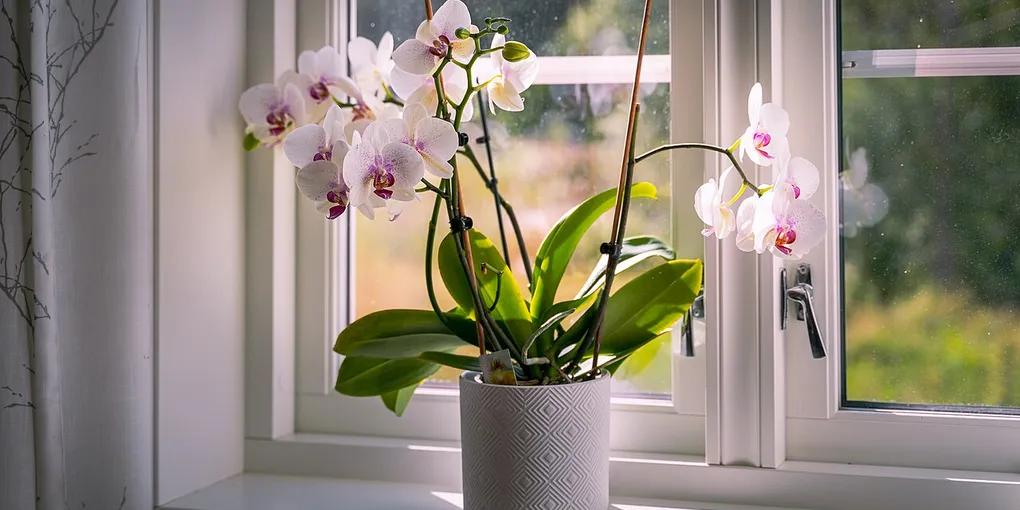
Hero image: Øyvind Holmstad, CC BY-SA 4.0, via Wikimedia Commons.
Sources
Frequently Asked Questions
How often should I water a houseplant?
There is no universal interval. Check the potting mix and the plant's condition instead: different species, pot sizes, light levels and seasons change how quickly a pot dries. Water thoroughly only when the plant's own care needs indicate it is time.
Why are my houseplant leaves turning yellow?
Yellow leaves can have several causes, including natural aging, too much or too little water, unsuitable light or root problems. Check the potting mix, drainage and recent changes before making several corrections at once.
Do houseplants need pots with drainage holes?
Most houseplants benefit from a pot with drainage because it gives excess water a way out. Use a saucer or cachepot to protect surfaces, then empty standing water after watering.
When should I repot a houseplant?
Repot when the plant has clearly outgrown its container or the potting mix no longer supports healthy watering and roots. Move up only a modest pot size and use a suitable fresh mix rather than repeatedly upsizing.