How to Clean a Sofa: 10 Steps for Fabric, Cushions and Stains
Quick answer
Clean a sofa by checking its care label, removing loose cushions, vacuuming dry debris, spot-testing a suitable cleaner and treating stains with light blotting. Use as little water as practical, avoid saturating the frame or foam, and let every part dry fully before putting the sofa back together.
A sofa collects crumbs, dust, body oils, pet hair and the occasional spill. The safest cleaning method is not the wettest one: it is the least aggressive method that matches the sofa’s material and care instructions.
Before you reach for a spray bottle, identify the cover, read the label and test a small hidden area. IKEA’s upholstery guide stresses that fabric, microfibre, leather and imitation leather need different care, and that water should be used sparingly to reduce the risk of moisture damage. Use the ten-step process below as a careful starting point, not as permission to ignore the manufacturer’s instructions.
1. Read the care label and identify the material
Look under a cushion, beneath the sofa or on the frame for the care tag. Check whether the cover is fabric, velvet, microfibre, leather, coated fabric or a blend, and look for instructions about removable covers, approved products and professional cleaning.
If the label is missing, do not guess that a fabric-safe product is safe for leather or that a removable cover is machine-washable. Photograph the tag if it is hard to reach, and search the sofa’s model or ask the maker for its care instructions. The IKEA upholstery guide makes material-specific care the first decision for a reason.
2. Clear the sofa and inspect the problem
Remove throws, toys, pet beds and loose objects. Take off cushions one at a time and check the gaps, underside and floor beneath the sofa. Look for crumbs, sticky residue, loose threads, dye transfer, a damp smell or a stain that has already changed the fabric.
Do not start wet-cleaning if the sofa has visible mould, water-damaged padding, a damaged leather finish or a strong unexplained odour inside the cushions. Cleaning the surface may hide a larger moisture or construction problem. The mould-removal guide covers a different and more serious situation.
3. Vacuum dry dirt before adding moisture
Use an upholstery attachment or a soft brush and vacuum the seat, back, arms, seams and the space beneath the cushions. Work gently rather than pressing a hard nozzle into the fabric. IKEA recommends regular vacuuming, paying attention to seams and crevices, and warns that excessive suction can damage some covers.
Vacuuming first matters because water turns loose dust into a muddy film. Empty the vacuum when needed, and use a smaller attachment for piping and corners. If the fabric has a delicate nap, follow its label and the manufacturer’s advice before brushing against it.
4. Check removable covers and cushion fillings
A zip is not a washing instruction. Read the cover label before removing anything, and note whether it says hand-wash, machine-wash, dry-clean, spot-clean only or do not remove. If washing is allowed, follow the stated temperature, cycle, detergent and drying method; do not improvise with hot water because a cover may shrink.
Keep foam, inserts, batting and wooden or metal parts away from water unless their instructions explicitly allow it. Photograph the cushion arrangement before moving it so each piece returns to its original position. The IKEA sofa-cleaning guide notes that removable, washable covers can be the easiest route, but only when the product’s care information says so.
5. Test the cleaner on a hidden area
Choose a patch behind the sofa or beneath a cushion. Apply the proposed cleaner exactly as its label says, using a small amount and a clean, light-colored cloth. Wait for the test area to dry, then check for fading, a tide mark, roughness, dye on the cloth or a change in texture.
The UGA Cooperative Extension stain guidance says to read the care label and pretest each cleaning agent in an inconspicuous area to check colorfastness. Treat that as a non-negotiable step, especially on dark, patterned, vintage or recently reupholstered furniture.
6. Treat fresh stains with light blotting
Lift solid food with the edge of a spoon or a dull card. For a fresh liquid spill, place a clean cloth over it and press lightly; replace the cloth as it absorbs moisture. Do not rub in circles, because friction can spread the stain, roughen the pile or push liquid deeper into the cushion.
Use the sofa’s approved method for the specific material. For blood on washable upholstery, UGA’s guidance starts with the care label, cool water and blotting rather than forcing the stain further into the fibres. For other stains, do not copy a treatment blindly: the stain-removal guide explains why the fabric and stain need to be identified first.
7. Clean fabric in small, controlled sections
Once the test is dry and successful, work on a small section at a time. Use the approved upholstery cleaner or a barely damp cloth, following the product’s dilution and dwell-time instructions. Wring cloths well. Keep the surface damp enough to lift dirt, not wet enough to soak the padding or frame.
Blot or wipe in the direction recommended for the fabric. Rinse or replace the cloth before moving dirt to the next panel. Do not spray directly into seams, buttons, controls or the gap between the cover and frame. Avoid a carpet-cleaner attachment unless the sofa manufacturer or cleaner specifically approves it; extraction equipment can leave a cushion wetter than expected.
8. Keep leather, velvet and delicate covers on their own path
Do not apply a fabric routine to leather, suede, velvet, coated fabric or a delicate antique cover. These materials can react differently to water, brushing, heat and household cleaners. For leather, start with the maker’s care instructions and a soft cloth; for velvet or a fragile nap, use only the method the label permits.
If the fabric is marked professional-cleaning-only, the sofa is valuable, or the test patch changes colour, stop. A professional upholstery cleaner can inspect the material and choose an appropriate method. More product and more pressure are not substitutes for knowing what the cover is made of.
9. Dry the cushions and frame completely
Separate cushions and stand them so air can reach every side, if the construction allows it. Open windows or use gentle airflow, but do not aim intense heat at the fabric or place leather in harsh direct sun. Keep people and pets off the sofa until the surface and padding are fully dry.
Feel the seams, underside and cushion edges—not only the top surface. A cushion that feels dry outside can still hold moisture inside. Do not stack damp cushions, close them in a cover or replace them against a damp frame. Lingering moisture can create odour, marks or a deeper problem that surface cleaning cannot solve.
10. Finish with a maintenance routine
After the sofa is dry, vacuum once more if the method loosened dust. Replace cushions in their original positions and rotate or turn them only if the manufacturer allows it. IKEA recommends regular vacuuming and, where possible, rotating cushions and upholstery to reduce uneven wear; its guide also describes airing cushions and using baking soda for odour as optional care for suitable upholstery.
For routine care, vacuum the sofa and crevices weekly or whenever dust and hair build up. Deal with spills promptly, keep food and muddy items away from the fabric when practical, and review the care label before every new product. If a smell returns from inside the padding, a stain keeps spreading, or the fabric is damaged, stop repeating home treatments and arrange an assessment.
A clean sofa should be dry, even in colour and comfortable to use—not merely wet and strongly scented. Start with the label, remove dry dirt first, test every new product, blot stains gently and let the whole piece dry before deciding whether it needs another pass.
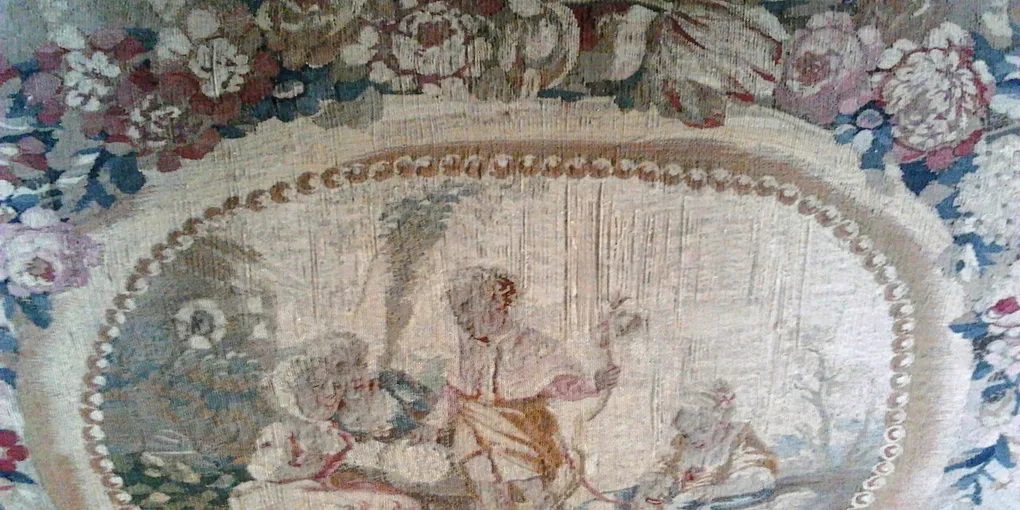
Hero image: Anonymous (France), CC0, via Wikimedia Commons.
Sources
Frequently Asked Questions
What is the best way to clean a fabric sofa?
Start with the care label and a thorough vacuum using an upholstery attachment. Then test a suitable cleaner on a hidden area, work in small sections with minimal moisture, blot rather than scrub stains, and let the fabric dry completely.
Can I clean a sofa with water?
Only when the care instructions allow a water-based method. Use a barely damp cloth or the approved cleaner, test first, and avoid soaking the fabric, seams, cushions or frame. If the label is missing or unclear, use dry vacuuming and ask the manufacturer or a professional cleaner before wet-cleaning.
How do I remove a fresh stain from a sofa?
Lift away solids, then blot the liquid with a clean light-colored cloth without rubbing it deeper into the fibres. Follow the sofa's care instructions, pretest any product in a hidden place and repeat light treatment rather than flooding the stain.
Can I put sofa cushion covers in the washing machine?
Only if the cover's care label specifically permits machine washing, with the stated cycle and temperature. A removable cover does not automatically mean the foam, lining or cover fabric can be washed safely.


.jpg)