Quick answer
Stop flushing, turn off the toilet's supply valve and protect the floor. If the bowl level is safe, use a flange plunger with a full seal, then try dish soap and hot—not boiling—water. A closet auger is the next mechanical step; call a plumber when several fixtures back up, the clog returns, or water reaches a cleanout.
A clogged toilet is a small plumbing problem until the bowl overflows. The first rule is simple: stop adding water, then work from the least aggressive method to the next one. A flange plunger will clear many bowl-level clogs; a closet auger can reach farther into the toilet trap; a deeper or recurring blockage belongs to a plumber.
This guide is for a normal floor-mounted toilet with an accessible supply valve. It is general practical guidance, not a substitute for the toilet manufacturer’s instructions or local plumbing help. American Standard’s toilet guidance also starts by stopping the water and warns against repeatedly flushing a blocked toilet.
1. Stop the flush before the bowl overflows
Turn the small shutoff valve beside or below the toilet clockwise until it stops. Do not force a valve that is seized, leaking or visibly damaged. If the tank is still filling, lift the lid carefully and avoid touching the water if the tank is cracked or the hardware is damaged.
Do not test the toilet by flushing again. Put towels around the base, move rugs and protect anything that could be damaged by dirty water. If the bowl is already near the rim, skip ahead to the next step and reduce the water level first.
2. Work out whether the blockage is visible
Put on rubber gloves and look into the bowl without pushing anything farther down. If a non-flushable object is clearly within reach, lift it out and place it in a sealed bag. Do not use a coat hanger, screwdriver or sharp tool: scratching the porcelain or pushing an object deeper can turn a simple blockage into a repair.
If the toilet is slow rather than fully blocked, give the water time to settle. A lower starting level gives you room for the plunger and reduces the chance of a spill.
3. Gather the right tools
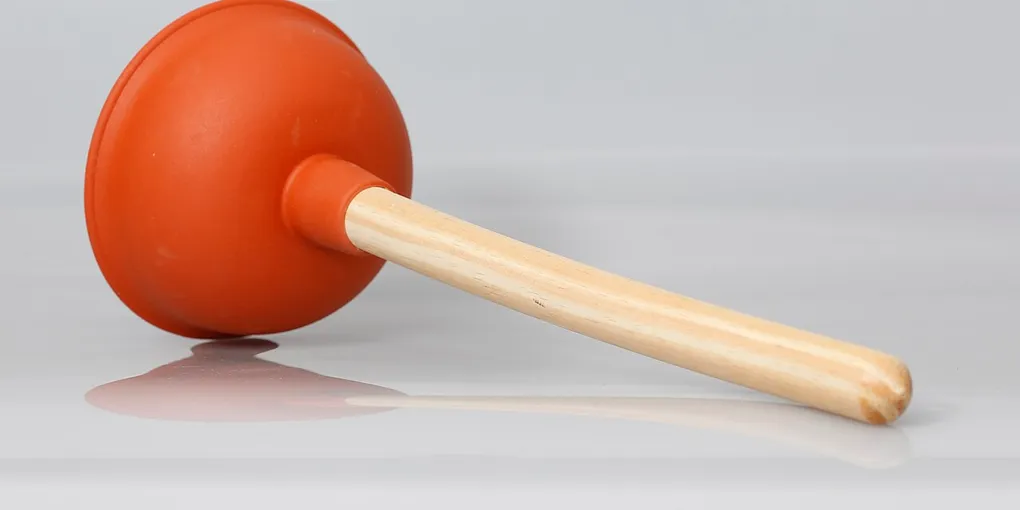
Use a toilet flange plunger, not the flat cup plunger intended for a sink. The flange folds out of the cup and is designed to seal the toilet trapway. Also gather gloves, old towels, a bucket, a small flashlight and—if plunging fails—a closet auger made for toilets.
Keep the area clear. You should be able to put the plunger down without dripping across the floor, and you should not need to dismantle the toilet for the first attempts.
4. Lower an overfilled bowl without flushing
If the water is high, scoop some into a bucket with a disposable container until the bowl is comfortably below the rim. Work slowly and keep the bucket stable. Do not pour the water into another slow fixture, and do not add hot water while the bowl is full.
If water is backing up in a shower, bathtub or another toilet at the same time, stop using the home’s plumbing. That pattern suggests a blockage farther down the drain line rather than a simple trap blockage; the City of Tampa’s blocked-drain guidance recommends reducing water use and getting professional help when the problem is deeper in the line.
5. Seal and plunge the trapway
Place the flange into the outlet at the bottom of the bowl. Add enough water, if needed, to cover the rubber cup; the plunger works by moving water, not by pumping empty air. Press down gently at first so the seal holds and water does not splash.
Once the seal is stable, pump up and down in controlled strokes. Keep the flange covered, use the full handle movement you can manage, and finish a cycle with a firm pull. Rest, then repeat several cycles. American Standard recommends vigorous, repeated plunging while the cup fully covers the trapway; the exact number of strokes depends on the clog and the plunger.
When the water suddenly drops, do not celebrate with a flush yet. Wait for the bowl to settle, then inspect the water level and move to Step 10 for a careful test.
6. Try dish soap and hot water for a mild partial clog
If the bowl has plenty of room and the clog seems partial, add a generous squeeze of liquid dish soap. Follow with hot water, but not boiling water, and let it sit for about 10 minutes. American Standard describes this as a way to help loosen a stubborn clog before trying the plunger again.
Do not pour a large amount of water into a nearly full bowl. Skip improvised chemical mixtures, and never combine cleaning products. Mechanical clearing is the safer default for a toilet; if a chemical product has already been used, follow its label and tell a plumber exactly what it was before more work is attempted.
7. Use a closet auger when plunging cannot reach the clog
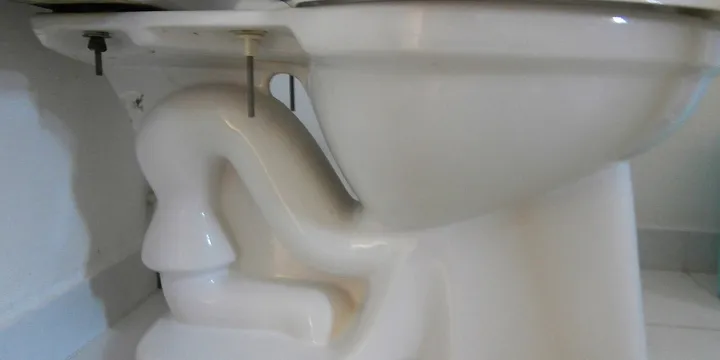
A toilet auger, sometimes called a closet auger, has a short protected cable designed to pass through the toilet trap without the exposed scraping of a general-purpose snake. Place its curved end into the bowl outlet, keep the guard against the porcelain, and turn the handle according to the tool’s instructions.
Advance gently until you feel resistance. Rotate to break up or hook the obstruction, then retract slowly. Kohler’s troubleshooting guidance lists a plunger and auger as the tools for clearing blockages from the toilet trap and waste line. Do not force the cable, drill aggressively or switch to a sharp wire. If the auger stops hard or the bowl is damaged, stop and call a professional.
8. Check whether the clog moved before flushing
After plunging or augering, wait until the bowl drains to its normal level. Look for pieces of the obstruction, unusual water movement or a level that rises again. If the level climbs without a flush, stop using the toilet; the blockage is still present.
A single slow pour of water from a small bucket can show whether the bowl drains, but do it only when there is plenty of room. If the water rises, stop immediately. Testing is not a reason to keep adding water to a blocked fixture.
9. Know when the blockage is in the line, not the bowl
Call a plumber when plunging and a toilet auger do not clear the problem, or when the clog returns soon after it appears to be fixed. Also stop DIY work if several drains back up, wastewater appears in another fixture, the toilet rocks, the supply valve leaks, the porcelain is cracked, or water is visible at a cleanout.
The City of Tampa notes that a blockage near the bowl may respond to a plunger, while a blockage farther into a drain line may require a plumber. If your home has a cleanout, do not open a pressurized or overflowing one casually. Keep people and pets away from contaminated water and follow local utility instructions.
10. Flush once, then prevent the next clog
When the bowl has returned to its normal level and the blockage has clearly moved, turn the supply valve on slowly. Check for leaks around the valve and supply line. Flush once while watching the bowl. The water should rise briefly and then drain normally; if it rises again, shut the valve and stop.
Prevention is mostly about what goes into the toilet. Seattle Public Utilities says toilet paper is the only thing safe to flush besides human waste. Keep wipes, tissues, cotton products, dental floss, paper towels, grease and other rubbish out of the bowl even when packaging says “flushable.” If the fixture keeps clogging with ordinary use, have the toilet, trap, vent or drain line assessed rather than plunging it indefinitely.
For routine bathroom care, the toilet-cleaning guide covers the bowl and surrounding surfaces, while fixing a running toilet addresses a tank that keeps refilling rather than a blocked trap. For sink and shower blockages, use the broader drain-unclogging guide instead of applying toilet-specific tools to every fixture.
Hero image: Tim Reckmann from Hamm, Deutschland, CC BY 2.0, via Wikimedia Commons.
Sources
Frequently Asked Questions
What is the fastest way to unclog a toilet?
Stop the water, let the bowl level settle, and use a toilet flange plunger with a complete seal over the trapway. Pump in controlled cycles rather than repeatedly flushing. If plunging fails, a closet auger is the next mechanical option for a simple trap blockage.
Can dish soap and hot water unclog a toilet?
They can help soften or lubricate a mild partial clog. Add dish soap only when the bowl has room, use hot water rather than boiling water, wait about 10 minutes, and then plunge. Do not use this method as a reason to keep adding water to an already full bowl.
When should I stop trying to unclog a toilet?
Stop when several fixtures back up, water appears at a cleanout, the clog returns quickly, the toilet or pipe is damaged, or an auger does not clear the blockage. Keep water use to a minimum and call a plumber or the relevant sewer utility.
Should I use a chemical drain cleaner in a toilet?
Use mechanical methods first and do not improvise chemical mixtures. If a product has already been added, follow its label and tell the plumber what was used before attempting more work, because splashback and incompatible products can create a hazard.