How to Sell Used Items Online Without Creating Extra Hassle
Quick answer
To sell used items online with less hassle, list one clearly described item at a time, use your own photos, state its condition and collection or shipping terms, keep payment and messages inside the platform where possible, and hand the item over only after you can verify payment. Never send money back to a buyer because of an overpayment or a check that has not fully cleared.
Editorial note: This is general information, not professional advice. Check the linked sources and current local guidance before acting.
Selling a used item can turn an unused object into space and money, but a rushed listing often creates endless messages, disagreement about condition or an unsafe payment request. A useful sale is simple: the buyer understands the item, the terms are clear, and you can complete the handover without improvising.
This is general practical guidance, not a rule for every marketplace. Read the platform’s seller, payment, shipping and local-safety rules before you post. For tax, consumer-law or business-selling questions, use the rules that apply where you live.
Start with an item you can describe honestly
Pick one item that is clean enough to inspect and easy to account for. Gather the accessories, cables, manuals, spare parts or original packaging that will actually go with it. If something is missing, damaged, repaired or untested, make a note now rather than trying to remember during a message exchange.
A short condition check avoids vague claims:
- switch it on only if you can do so safely;
- test the basic function you are claiming works;
- photograph marks, cracks, wear and missing pieces as well as the best angle;
- find the brand, model or size on the item itself; and
- remove personal data from phones, computers and smart devices before listing them.
For an old phone, tablet or computer, first confirm that your replacement has the files, authenticator access and account recovery details you need. The electronics-recycling guide has a cautious reset checklist that also applies before a sale.
Write a listing that answers the first five questions
A buyer should not have to ask what the item is, whether it works, what comes with it, what it costs, or how they can receive it. Put those answers in the listing from the start.
Use a direct title such as “Oak bedside table, 45 cm wide, visible surface marks” rather than “Beautiful furniture.” In the description, separate facts from opinion: “drawer opens and closes; scratch on the top-left corner” is more useful than “good condition.” If you do not know the age, material or compatibility, say that rather than guessing.
Add measurements where they affect a decision: furniture width and height, clothing size, cable connector type, appliance model number, or collection weight. State whether the price is fixed or whether reasonable offers are welcome. If collection, shipping or a deadline matters, put it near the top.
Take photos that reduce follow-up messages
Use current photos you made yourself. Put the item in even light, show it from several angles and include a close-up of labels, ports, dimensions or flaws. A plain background helps the item read clearly on a phone screen.
Do not use a manufacturer’s catalogue photo as the only image. It shows a new product, not the exact object the buyer will receive. Avoid including mail, documents, house numbers, children, vehicle plates or other personal information in the frame.
Set a price with an exit plan
Search comparable listings for the same model, size and condition in the same area. A price is a test, not a verdict. Start with a number you can explain from the item’s condition and completeness, then review it after a defined period if nobody serious responds.
Decide your minimum acceptable outcome before messages arrive. That could be a lowest price, a collection deadline, or a decision to donate the item if arranging a sale takes more time than it is worth. For a broader way to decide what stays, the decluttering guide can help you separate useful items from delayed decisions.
Keep the conversation on the platform
Use the marketplace’s messaging system when it is available, especially until the buyer and handover are confirmed. Keep the description, agreed price and practical details in one place. Do not send verification codes, account passwords, bank-login details or copies of identity documents to a buyer.
Be wary when a person immediately tries to move the conversation to an unfamiliar channel, asks someone else to collect without a clear arrangement, pressures you to act now, or changes the payment story after agreeing a price. A real buyer may have a reasonable question; urgency does not require you to abandon your terms.
Treat payment screenshots and overpayments as unverified
A screenshot, email or text saying that you were paid is not the same as payment you can verify in the payment service or account you normally use. Check using the official app or site you open yourself—not a link sent by the buyer.
Do not deposit a check for more than the sale price and send the difference to someone else. Consumer.gov explains that a bank may make funds from a check available before it discovers the check is fake; you can still be responsible for the loss. If a buyer overpays, wants you to pay a courier, or asks you to buy a gift card or send a refund, stop the transaction rather than trying to fix it.
Plan the handover before sharing details
For a small portable item, consider a public, well-lit meeting place that is appropriate for local rules. Tell someone where you are going, keep the exchange short, and leave if the situation changes. For collection of a large item from home, use the minimum address detail needed once the arrangement is confirmed, avoid meeting alone when possible, and do not allow a stranger to wander through the property.
For shipping, use the marketplace’s documented shipping and label process if you choose to offer it. Photograph the item and packaging before dispatch, retain the posting receipt, and use tracking when the service offers it. Do not accept an emailed label, payment link or courier instruction without checking it through the marketplace or carrier’s official site.
Close the sale and keep a small record
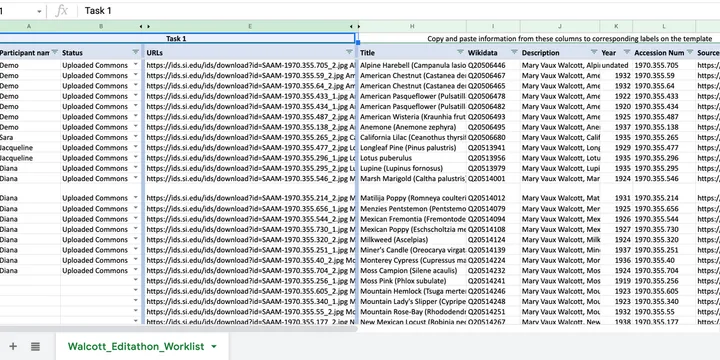
Once the buyer has the item and payment is verified, mark the listing sold or remove it. Keep a short record of the date, item, price and platform for your own organisation. If you are selling regularly, use a simple spreadsheet rather than relying on a message history.
Selling used items online works best when the listing is specific and the process is boring. Clear photos, honest condition notes, firm payment checks and a planned handover protect both your time and the buyer’s expectations.
Hero image: Steve Snodgrass, CC BY 2.0, via Wikimedia Commons.
Sources
Frequently Asked Questions
What should I include in a used-item listing?
Include the item name, brand or model where known, its condition, visible faults, what is included, useful measurements, clear current photos, price, location or shipping area, and how you want to arrange collection or delivery.
How do I price used items?
Compare completed or current listings for the same model and condition in your local market, then choose a price that reflects wear, missing parts and the effort of collection or shipping. Be prepared to revise it if there is no genuine interest.
Is a buyer overpaying a scam?
Treat an overpayment that requires you to send money elsewhere as a stop sign. Consumer.gov warns that fake-check scams can make a deposited check appear in an account before the bank later identifies it as fraudulent.
Should I give a buyer my home address?
Choose the handover arrangement that is safest and practical for the item. For a small portable item, a public meeting place may be preferable. For a large collection-only item, do not share more personal information than the collection requires, and do not feel obliged to meet alone.