Quick answer
Create an emergency plan by listing the hazards and locations that matter to your household, choosing alert channels, deciding where to shelter or meet, writing down communication and evacuation steps, and assigning help for medical, access, child-care and pet needs. Store the plan where you can reach it, practise it and update it when your household changes.
Editorial note: This is general information, not professional advice. Check the linked sources and current local guidance before acting.
An emergency plan turns crisis decisions into steps people can follow. The Ready.gov make-a-plan guidance recommends meeting with the household, assessing needs, documenting the plan and practising it.
This guide is small enough to finish. It does not replace local emergency-management instructions, evacuation orders or medical advice; use current official alerts and instructions as the final word.
1. List the hazards and places that matter
Start with your home, then add places your household regularly visits. Local risks might include fire, flood, severe weather, extreme temperatures, wildfire, earthquake, hazardous materials or a long power outage. The right list depends on your region; do not copy a generic checklist and assume it fits.
Write the likely locations beside each risk:
- home and apartment building;
- workplace, school, childcare or care facility;
- regular routes and transport stops;
- a relative’s home or another place where someone may be staying.
For each location, ask whether the response is to leave, shelter indoors, move to a safer room or wait for instructions. Keep the answer provisional until local authorities provide current guidance.
2. Meet with the household and assign responsibilities
Hold a short conversation when nobody is rushing. Include children appropriately, older adults, roommates, caregivers and anyone who may need assistance. The goal is to remove questions such as “Who brings the medication?” and “Who collects the child?”
Assign a primary person and a backup for practical jobs:
- checking alerts and official instructions;
- contacting household members;
- collecting the plan, medicines and essential documents;
- helping a child, older adult or person with an access need;
- taking pets or service animals;
- checking on a neighbour when it is safe to do so.
A responsibility is useful only if the person can do it. Add a neighbour, friend or relative when a household member may be away or unable to leave.
3. Choose how you will receive alerts
Write down the official channels that cover your area: local emergency alerts, weather warnings, the local authority or utility, and a battery-powered radio if relevant. Turn on the notifications you need and learn what different alert levels mean before the next warning arrives.
Do not rely on one phone, one app or one person. Save the local emergency-management website and utility number, but keep the important contact details on paper too. If the household speaks more than one language, identify where official instructions are available in the language people understand best.
When an alert arrives, note three things: what happened, where it applies and what action the issuing authority asks you to take. Do not turn an unverified social-media post into an evacuation order.
4. Decide when to shelter and when to leave
Write a short decision path for each major hazard: where to shelter during a storm, which exits to use for a fire, or which local authority will trigger an evacuation. Do not invent a threshold that conflicts with an official order.
Choose two ways out of the home and, when practical, two routes away from the neighbourhood. Mark a backup if a road, bridge, lift or transit line is unavailable. Plan transport for anyone without a car and a destination if the home becomes unsafe.
Keep this section specific enough to act on:
If local officials order an evacuation, we leave using Route A unless it is closed. We take the household plan, medicines, identification, chargers, water and pet carriers, then go to the approved destination listed below.
For a hazard-specific example, the power-outage preparation guide covers heat, cold, food, medical equipment and generator safety.
5. Build a communication plan
Assume that people may be separated and that a call may not connect. Choose an out-of-area contact who can collect updates, plus a backup. Everyone should know the name and number.
Agree on a simple sequence:
- Check the official alert.
- Send a short text stating where you are and whether you are safe.
- Contact the out-of-area person if the household cannot connect directly.
- Go to the agreed meeting place only when it is safe and the instructions allow it.
Add school, childcare, workplace, landlord or building-management contacts where they affect a person’s safe release or return. The Ready.gov plan form provides fields for household members, emergency contacts, schools, workplaces, meeting places and medical information.
6. Choose meeting places everyone can identify
Pick one meeting place close to home for a quick separation, and another outside the immediate neighbourhood for a larger evacuation or a blocked street. Use a named public place or address that is easy to describe, not “somewhere nearby.” Add an accessible alternative when stairs, crowds, noise or transport may be a problem.
Tell every household member how to get to the places from home, school and work. Include who is allowed to collect a child or dependent person, and how that authorization is recorded. Do not require anyone to walk toward danger just to reach a meeting place; the person receiving the alert should follow current local instructions first.
Review the places if a business closes, a road changes, a building becomes inaccessible or the household moves.
7. Turn daily needs into backup actions
Walk through a normal day and note what becomes difficult if electricity, water, transport, a pharmacy or a support person is unavailable. Include prescriptions, medical equipment, mobility aids, glasses, hearing devices, dietary needs, infant supplies and communication devices.
Record medication details and prescribing or pharmacy contacts only where they can be kept private and current. Ask a doctor or pharmacist about storage and emergency supplies. For equipment that needs electricity, ask the provider about battery duration, backup power and relocation.
Ready.gov’s guidance for people with disabilities recommends a support network, accessible transportation, protected contact information and advance planning for equipment and medical treatment. These steps also help households with temporary injuries, young children or older relatives.
For the kit and charging side of the plan, connect this list to the power-outage guide rather than creating a second, conflicting set of instructions.
8. Include pets and service animals
An evacuation plan that leaves out an animal is incomplete. Decide where it can go before a warning arrives; shelters, hotels and public buildings have different rules. Ask a friend, neighbour, relative, boarding facility or local animal service about a backup destination.
Keep a carrier, collar or harness, leash, food, water bowl, medication, sanitation supplies and veterinary records ready. Add a recent photo and identification details. Ready.gov advises giving pets their own plan and kit, plus a buddy system in case the owner cannot get home.
Never improvise by leaving a pet behind because returning may be difficult. If the household has a service animal, include its equipment, food, relief needs and transport requirements without separating it from the person it supports.
9. Document the plan and share the right parts
Put the final plan into a format people can use quickly. A one-page summary can contain:
- emergency contacts and meeting places;
- alert sources and local emergency numbers;
- evacuation routes and destinations;
- who helps each person, pet or animal;
- where the kit, documents, medicines and spare keys are kept;
- the date of the last review.
Use the Ready.gov fillable plan form or make your own version. Keep a paper copy in an easy-to-reach location and a current digital copy available offline. Protect medical, identity and contact information; a plan should help trusted people without becoming a public directory.
A separate home-inventory record can document belongings. Keep it separate from the emergency action card so the route and contacts remain quick to find.
10. Practise, review and fix one gap
Practise the plan when there is no emergency. Ask each person to identify the meeting places, name the contact and explain what they would take. Walk an exit route if safe, and check the carrier, accessible route, approved pickup person and paper numbers.
Keep practice calm. A short review can reveal that the spare key is unreachable, the carrier is too small, the phone list is old or the route depends on a frequently closed bridge.
Update the plan after a move, new job or school, changed medication, new pet, altered access need or change in official guidance. Put the review date on the front. Ready.gov includes practising as the final step after meeting, assessing needs and documenting the plan.
A useful emergency plan is not the longest checklist. It is the one every household member can find, understand and use under pressure. Start with local hazards, assign real people to real tasks, write down communication and meeting decisions, cover daily needs and animals, then practise until the missing piece is obvious. Revise that piece before you need the plan.
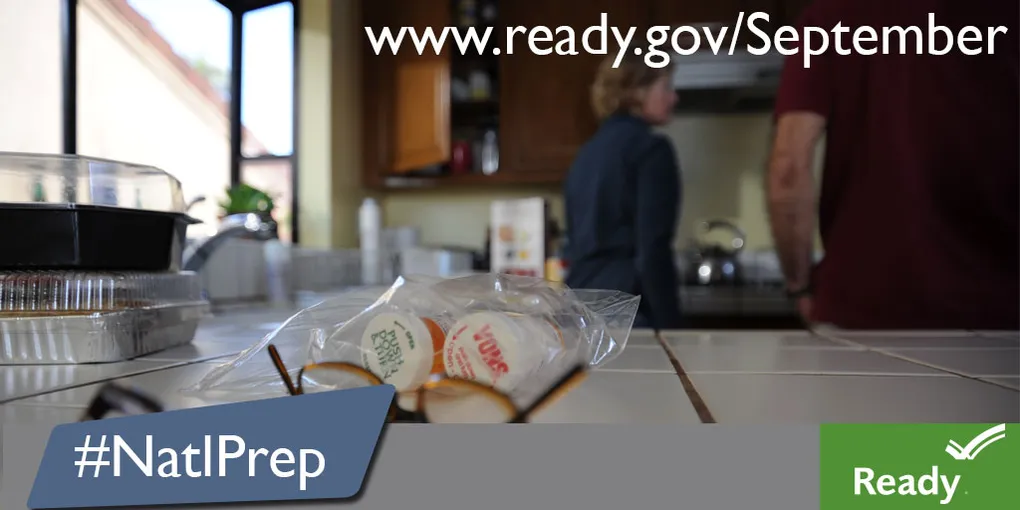
Hero image: Department of Homeland Security. Federal Emergency Management Agency. Public Affairs Division. 3/1/2003, public domain, via Wikimedia Commons.
Sources
Frequently Asked Questions
What should be included in a household emergency plan?
Include the hazards that could affect your area, alert sources, shelter and evacuation decisions, routes, meeting places, household and emergency contacts, medical and access needs, responsibilities, pet arrangements and instructions for practising and updating the plan.
How do I make an emergency plan if my family is in different places?
List the places people spend time, such as home, work, school or care, then choose a communication method, an out-of-area contact and meeting places near home and outside the neighbourhood. Add the current contact and pick-up details for each location.
Where should I keep my emergency plan?
Keep a paper copy in a place you can reach quickly and a current digital copy that is available when the internet or power is unavailable. Share relevant details with trusted household members and helpers, but do not post private contact or medical information publicly.
How often should an emergency plan be updated?
Review it whenever someone moves, a phone number or workplace changes, a medical or access need changes, a pet joins the household or local risks and official instructions change. Practise the plan regularly so missing details are found before an emergency.