What to Do in a Flash Flood: 9 Steps That Could Save Your Life
Quick answer
Flash floods are the most dangerous type of flood because the water rises in minutes. If you see water rising fast: immediately move to higher ground (upper floors or hills), never walk or drive through moving water, and never return home until local authorities say it is safe — water in a flash-flood valley can surge again without warning.
Editorial note: This is general information, not professional advice. Check the linked sources and current local guidance before acting.
Flash floods can happen after rain upstream, even when the sky above you is clear. They can arrive with little notice, and the safest response is usually to leave low ground early rather than trying to cross water. Local emergency alerts and instructions take priority over this general guide; terrain, buildings and evacuation routes differ by location.
Use this simple rule: warning or unmistakable rising water means act now. Move to higher ground or a higher floor, stay out of floodwater, and wait for local authorities to say the area is safe before returning.
1. Pre-plan your escape before it starts
If you live in, visit, or travel through a flood-prone area (mountain valleys, canyons, low riverbanks, monsoon regions), decide your escape route now: the nearest high ground, the upper floor of the building, the hill road behind the village. Talk about it with your family — a plan made in an emergency is a plan made too late.
2. Watch the warning signs
A flash flood can strike in a place where it isn’t raining — the rain fell upstream. Early signals include:
- River suddenly rising, turning muddy, or changing colour
- Loud rushing sound coming from upstream
- Water in a normally dry stream bed or canyon
- Debris floating past — branches, plastic, even small logs
Any one of these means: move now.
3. Match the warning to an action
| What you know | Action |
|---|---|
| A flash-flood warning is issued, or water is already rising | Leave low ground immediately. Walk to higher ground or the highest safe floor; follow local evacuation instructions. |
| You are near a creek, canyon, river crossing or low road and heavy rain is falling upstream | Do not wait to see water at your feet. Move away from the channel and do not enter a tunnel, underpass or low crossing. |
| A road is flooded, barricaded or its depth is unknown | Turn around. Do not walk or drive through it, even in a large vehicle. |
| You are already inside a building with water outside | Move up, stay away from electrical hazards, and call emergency services if you need rescue. |
| The water has receded | Do not return until officials say it is safe; damaged structures, contamination and live electricity may remain. |
This is a decision aid, not a substitute for your local emergency plan. If an official order conflicts with this general table, follow the official order.
4. Never walk or drive through floodwater
- 15 cm (6 inches) of water can knock an adult off their feet in a fast flow.
- 30 cm (12 inches) will float a car.
- About 60 cm (2 feet) of rushing water can carry away many SUVs and trucks.
- Water after dark hides holes, steps, and fast currents — you cannot judge it.
Turn around and obey barriers. Water can hide a washed-out road, debris and a current that is stronger than it looks. The National Weather Service says that even fast-moving water less than a foot deep can knock a person down.
5. If you are outside, move away from the channel
If you are outside, move uphill or to other stable high ground. Do not climb a tree, utility structure or unstable slope unless there is no safer option; falling, debris and electrical hazards create additional danger. Once safe, stay there and monitor official alerts rather than trying to check the road or return for belongings.
6. If you are inside, go up
Do not go down to a basement or garage. Move to the highest safe floor and take your phone, medication, flashlight and essential warm clothing if they are immediately available. Never enter standing water to reach a switch, and do not touch electrical equipment while standing in water. Call emergency services and give your exact location if you need rescue.
7. Get your go bag — if you have 60 seconds
A small backpack left near the door is what separates “annoying evacuation” from “lost documents”. Contents that genuinely matter:
- Phone charger, portable power bank
- IDs/documents in a zip bag
- Cash (cards may not work)
- Water bottle, whistle, flashlight, first-aid kit
- Medication for 2–3 days + basic toiletries
- Dry clothes and a blanket
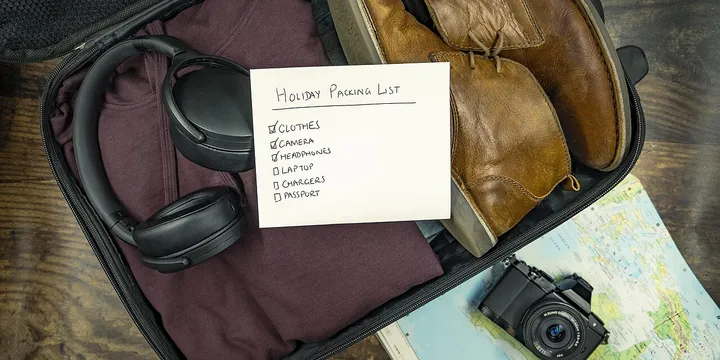
Packing for a last-minute grab is much like packing a good carry-on bag — small, fast, no overthinking.
8. Stay away until officials say it’s safe
Do not treat a lull as an all-clear. Wait for local authorities. Before entering, look for structural damage, gas leaks, contaminated water, downed lines and electrical hazards. If you must enter a flooded home, use the CDC re-entry guidance; an electrician should determine when the electrical system is safe.
9. When the waters recede: protect health and document damage
- Use bottled or otherwise safe water until local officials confirm the supply is safe
- Avoid contact where possible; floodwater can contain sewage, chemicals and sharp debris
- Photograph damages before fixing anything — insurance needs evidence
- Check on neighbours, especially elderly or isolated ones
- If your home took a hit, a reserved emergency fund is what separates a bad week from a financial disaster
Make the plan before the next warning
Use Ready.gov’s flood guidance to identify local alerts, evacuation routes and a meeting place. Keep a small go-bag near an exit, but do not delay evacuation to collect it. If you live near a river, canyon or low crossing, ask your local emergency-management office which route remains usable during a warning and where the nearest higher ground is.
For a compact preparedness checklist, adapt the emergency fund guide and keep documents, medication and contact details ready; the checklist is only useful if it matches your local plan.
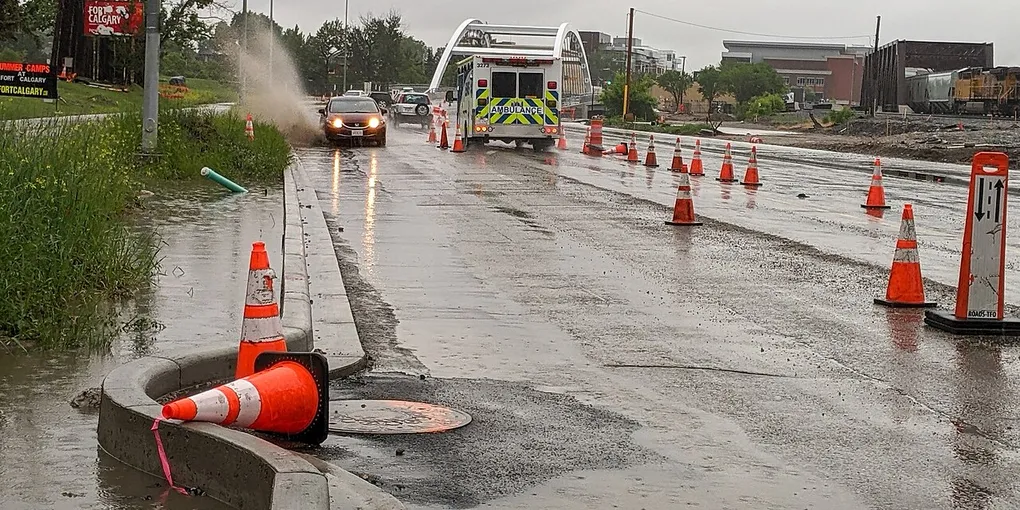
Hero image: Dwayne Reilander, CC BY-SA 4.0, via Wikimedia Commons.
Sources
Frequently Asked Questions
Is it safe to drive through floodwater?
Never. As little as 30 cm (about 12 inches) of moving water can float a car, and 60 cm can sweep a vehicle away. Turn around — no destination is worth your life.
What should I do if I am trapped by rising water inside a building?
Move to the highest floor or the roof. Climb to a steady place above the water line and call for help with your exact location. Wait for emergency services — do not attempt to swim through moving water, especially if it is cold or carries debris.
How do I get an early warning of a flash flood?
Check the weather forecast for alpine or monsoon regions before travel, follow local river-level alerts and emergency alerts on your phone, and if you are in a canyon or valley during heavy rain, treat any sudden stream rise or colour change as a warning to move to high ground immediately.