Quick answer
To plan a cheap weekend getaway, compare two or three destinations using the same dates, party size and priorities. Add the full door-to-door transport cost, lodging after fees, local travel, meals, activities and any required baggage or parking. Then compare travel time, cancellation terms and practical constraints before choosing; the lowest headline fare may not produce the lowest total or the most usable weekend.
The most reliable way to plan a cheap weekend getaway is to compare the complete cost of a few realistic options before booking. A bus, train, flight or car can win depending on your starting point, dates, group size and destination. The comparison below helps you find the option that fits your budget and leaves enough time for the trip itself.
Start with the trip you actually want
Choose the dates, number of nights and number of travellers first. List one or two things that matter most: a particular event, a quiet place to walk, a museum, time with friends or simply a change of scene. This prevents the cheapest search result from choosing a trip you do not want.
Pick two or three candidate destinations you can reach on those dates. A short journey can still be expensive, and a farther destination can sometimes have a low fare; distance alone does not settle the comparison. If your dates can move, compare a nearby alternative date using the same method rather than assuming a particular weekday or booking window is always cheaper.
Compare the whole cost, not the headline fare
Use the same starting address, dates, travellers and baggage assumptions for every option. Fill in this table with current quotes from the provider or property. Leave a line at zero only after checking that the cost really does not apply.
| Cost or constraint | Option A | Option B | Option C |
|---|---|---|---|
| Outbound and return fare, including required seat or baggage charges | |||
| Getting from home to the departure point and back | |||
| Transfer from arrival point to lodging and back | |||
| Fuel, tolls, parking or rental costs, if applicable | |||
| Lodging total for all nights, including taxes and required fees | |||
| Local transport during the stay | |||
| Meals and any activity you specifically want | |||
| Estimated total for the group | |||
| Door-to-door travel time and time of last return option | |||
| Cancellation terms or other condition to check |
Add the money rows for the whole group, then divide by the number of travellers if you want a per-person view. Keep the time and conditions rows separate: they are decision factors, not cash costs. Check whether a quoted fare is a ticket or only a reservation, and note when the price expires. A discount that requires a sales presentation, paid membership or strict date commitment also has a cost in time or flexibility.
This comparison is the useful part of the planning: it makes the transfer to the airport, the station parking and the final lodging fee visible beside the fare. If one quote is missing a cost, get that information before treating the totals as comparable. For short-term rentals in the United States, the Federal Trade Commission’s travel guidance explains how to check terms, identify the actual seller and look for suspicious payment demands. Consumer protections differ by country, so use the relevant authority where you live.
Choose transport by total cost and usable time
Compare the exact routes available for your dates rather than relying on a rule such as “the bus is always cheapest” or “driving only pays with three people.” For a car, include fuel, tolls, parking and rental charges. For a train, bus or flight, include the trip to the terminal, the trip from arrival to your lodging, and any baggage or seat charge required for your plans. If travelling by air from an EU airport, Your Europe’s luggage guidance says airlines set cabin-baggage size and number limits; check the current carrier rules before assuming a bag is included.
Door-to-door time matters on a two-night trip. A low fare that arrives after local transport stops or requires a long connection may mean another expense or less time at the destination. Check the last return service too, and decide whether a delayed or cancelled connection would leave you with a workable alternative. EU passengers have specific rights for air, rail, bus and ship travel; Your Europe’s passenger-rights guide explains the scope and where to find the mode-specific rules. Rights depend on the route and circumstances.
If you are driving, verify the route, parking arrangement and any local restrictions before you set off. Do not choose a longer or tiring drive just because a per-person estimate looks low; drivers need a safe, legal journey and realistic rest. For international trips, check the destination’s official travel advice and make sure any insurance suits the itinerary and activities. The UK Foreign, Commonwealth & Development Office insurance guidance is written for UK travellers, but its checklist highlights practical items to confirm in your own policy, including medical cover, planned activities, exclusions and emergency assistance.
Keep accommodation and meals predictable
Compare lodging by the full stay total and location. Check taxes, cleaning or resort fees, required deposits, check-in hours and cancellation conditions. A room farther from the places you plan to visit might cost less but add transit fares and time; add those before deciding. If a property listing is unusually cheap, confirm the address, seller and payment method independently before sending money.
Make a simple food plan that fits your actual lodging and schedule. If there is a kitchen or breakfast included, check what that means and whether you will use it. Set aside money for meals during travel and transfers as well as at the destination. Choose one or two paid activities that matter to you, then look at the destination’s official visitor information for free or low-cost alternatives. Do not assume a museum is free every day or that a pass saves money; check opening days, admission and transport included, and count only visits you really plan to make.
Make a decision and protect the plan
Before paying, review the totals side by side and ask:
- Does the option fit the amount I can spend without borrowing or using money set aside for essentials?
- Are the dates, baggage, arrival times and cancellation terms acceptable?
- Have I included transfers, parking, taxes, deposits and meals while travelling?
- Is the itinerary workable for the people travelling, including mobility, access, health or rest needs?
- If a key service changes, is there a reasonable alternative or a policy that covers the risk I care about?
If none fits, change one variable at a time: dates, destination, nights or activity plan. Recalculate the total after each change. Avoid “saving” money by skipping essential insurance or choosing an unsafe or inaccessible route. For an international trip, read current official destination advice and policy exclusions before booking. If the trip is within your home country, look for the equivalent official travel and consumer guidance for your area.
Once you book, keep the confirmation, cancellation deadlines, provider contact details and receipts together. Note what is refundable and when a remaining payment is due. A weekend packing list can help you keep the bag within the rules that apply to your carrier; for a broader trip plan, see the road-trip planning guide. These are supporting checklists, not a substitute for checking current provider or local rules.
A final booking check
Return to the cost table with the final dates and live prices. Make sure every option uses the same party size, nights, departure location and baggage needs. Confirm the lodging total and cancellation deadline on the provider’s own checkout page, then check the arrival and return services against the timetable for those dates. Save the quote or confirmation so you can see what changed if the price or plan moves.
There is no one budget figure that makes a getaway “cheap” for everyone. A useful plan is one whose full cost is visible, whose terms you understand and whose transport leaves you enough time and energy to enjoy it. Compare the options you can actually take, then book the one that fits your priorities and budget.
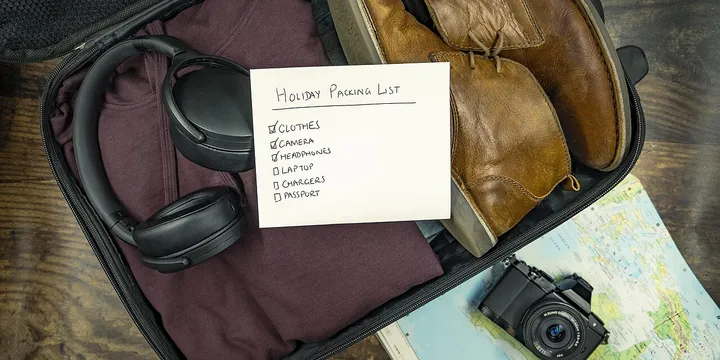
Hero image: Backpacker-Dude.com, CC BY-SA 3.0 de, via Wikimedia Commons.
Sources
Frequently Asked Questions
How do I know which destination is cheapest for a weekend?
Price the same trip for each candidate: outbound and return transport, getting to and from stations or airports, two nights of lodging after fees, local transport, food and the activities you care about. Use the total for your actual party size and dates. A nearby place is only a saving if those full costs and the time still work for you.
Is driving cheaper than flying or taking a train?
There is no reliable universal winner. For driving, include fuel, tolls, parking and any rental or insurance costs, then divide shared costs only among people actually travelling together. For air or rail, include the first and last mile, seat or baggage charges where relevant, and the fare for your exact dates. Compare door-to-door time as well as money.
Should I book a non-refundable room to save money?
Compare the refundable and non-refundable totals and decide whether the difference is worth the risk for your plans. Read the cancellation deadline, refund conditions, taxes and fees before paying. A lower price is not useful if a change would make you lose more than you saved.